
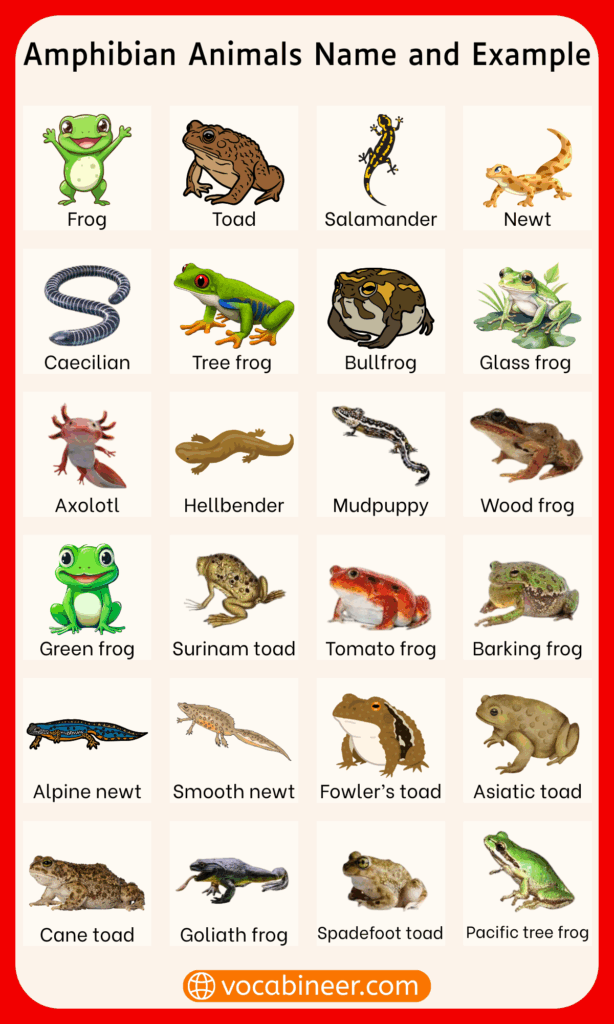
Have you ever wondered what makes amphibians so unique compared to How are Amphibians Different from Other Animals? If you’re curious about these fascinating creatures, you’re in the right place.
Amphibians live both in water and on land, but there’s much more to them than just that. Understanding how they differ from other animals can open your eyes to the incredible ways nature adapts and thrives. Keep reading, and you’ll discover surprising facts that will change the way you see frogs, salamanders, and their amphibious friends forever.
Credit: www.vocabineer.com
Distinct Skin Features
Amphibians have unique skin that sets them apart from other animals. Their skin is not just a cover; it plays many important roles. It helps them live both in water and on land. The skin’s special features support breathing, protection, and even hiding from predators.
Moist And Permeable Skin
Amphibians have moist skin that stays wet most of the time. This wet skin allows water and air to pass through easily. Unlike reptiles or mammals, their skin is thin and smooth. It helps them absorb water directly from their surroundings. The skin also loses water quickly, so they stay near moist places.
Role In Respiration
Their skin helps them breathe. Oxygen passes through the skin into their blood. This is called cutaneous respiration. It works alongside their lungs and gills. When underwater, skin breathing is very important. It allows amphibians to get oxygen even without using their lungs.
Camouflage And Defense
Amphibians use their skin color to blend with the environment. This helps them hide from predators. Some have bright colors to warn others they are poisonous. Their skin can also produce mucus that feels slippery. This makes it hard for predators to catch them. The skin’s defense abilities keep them safe in many ways.
Life Cycle Variations
Amphibians have unique life cycle variations that set them apart from other animals. Their development includes stages that happen in water and on land. These stages show how amphibians adapt to different environments throughout their lives.
Aquatic Larval Stage
Most amphibians begin life as larvae in water. They hatch from eggs laid in ponds or streams. At this stage, they have gills to breathe underwater. Their bodies look very different from adults. Tadpoles are a common example of this larval stage.
Metamorphosis Process
Amphibians undergo metamorphosis to change from larvae to adults. This process involves big changes in their body structure. They lose their gills and grow lungs for breathing air. Limbs develop, and their tails may shrink. Metamorphosis prepares them to live on land.
Transition To Terrestrial Life
After metamorphosis, amphibians move to land but stay near water. Their skin stays moist to help with breathing. This stage is different from many other animals that are born fully formed. Amphibians rely on both water and land habitats to survive.
Respiratory Adaptations
Amphibians have unique ways to breathe that set them apart from other animals. Their respiratory system works both in water and on land. This helps them survive in different environments. Amphibians use more than one method to get oxygen. Their breathing involves lungs and skin, which is unusual for most animals.
Lung And Skin Breathing
Amphibians breathe through their lungs like many land animals. But their lungs are simpler and smaller. They also breathe through their skin, which must stay moist. This skin breathing helps them absorb oxygen directly from water or air. It also removes carbon dioxide from their body. This dual method allows amphibians to live in wet and dry places.
Buccal Pumping Mechanism
Amphibians use a special way to push air into their lungs. It is called the buccal pumping mechanism. They lower their throat to draw air in. Then, they raise the throat to push air into the lungs. This method does not require strong muscles or a diaphragm. It lets amphibians breathe easily even when they are still.
Credit: animals.howstuffworks.com
Unique Reproductive Traits
Amphibians have special ways to reproduce that make them different from other animals. Their reproductive traits help them survive both in water and on land. These unique features show how amphibians adapt to their environment and life cycle.
External Fertilization
Amphibians usually fertilize their eggs outside the female’s body. The female lays eggs in water, and the male releases sperm over them. This process is called external fertilization. It needs water to keep sperm alive and help eggs develop.
Egg Laying Habits
Most amphibians lay soft, jelly-like eggs. These eggs do not have hard shells like bird eggs. The jelly protects eggs from drying out and from some predators. Amphibians often lay eggs in water or moist places to keep them safe.
Dependence On Moist Environments
Amphibian eggs and young need moisture to survive. Dry environments can kill their eggs or young. That is why amphibians live near ponds, lakes, or wet forests. Moisture helps their eggs grow and young amphibians breathe through their skin.
Locomotion Styles
Amphibians move in unique ways compared to other animals. Their locomotion styles help them live both in water and on land. These animals have special body parts that support swimming, jumping, and walking. Understanding their movement shows how they adapt to different environments.
Swimming Adaptations
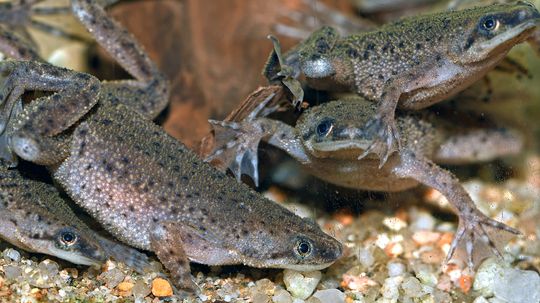
Many amphibians swim using strong, webbed feet. These feet act like paddles in water. Their long, muscular tails help push them forward. Smooth, slippery skin reduces water resistance. This skin also helps them absorb oxygen underwater. Their bodies are shaped to glide easily through water.
Jumping And Walking
Amphibians use powerful legs to jump far distances. Their long hind legs store energy for quick leaps. On land, they walk with a hopping or crawling motion. Their flexible limbs allow movement on rough surfaces. This ability helps them escape predators and catch prey. Their feet have pads to grip surfaces firmly.
Credit: animals.howstuffworks.com
Sensory Adaptations
Amphibians have special senses that help them live both in water and on land. Their sensory adaptations make them different from other animals. These changes help amphibians find food, avoid danger, and communicate. Their eyes and ears work in unique ways to suit their mixed lifestyle.
Vision In Water And Air
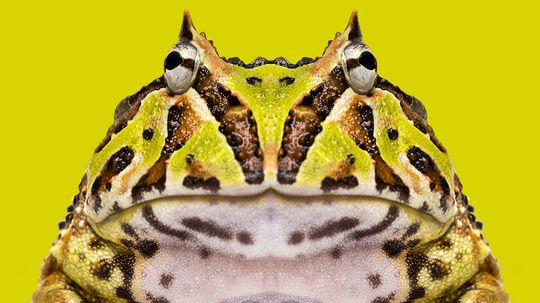
Amphibians see clearly in water and on land. Their eyes have a special lens that changes shape. This helps focus light in both environments. Their pupils can adjust to bright or dim light. They also have a protective membrane over their eyes. This membrane keeps their eyes safe underwater. These features help amphibians spot prey and threats easily.
Hearing Mechanisms
Amphibians hear sounds differently than other animals. They have a tympanum, a flat eardrum on the outside. It picks up sound waves from the air. Inside, small bones carry these sounds to the inner ear. Amphibians can hear low and high sounds. This ability helps them find mates and stay alert. Their hearing works well both above and below water.
Ecological Roles
Amphibians play vital roles in the environment. They affect many parts of the ecosystem. Their presence helps keep nature balanced. Amphibians live both on land and in water. This unique lifestyle allows them to connect different habitats. They contribute to the health of plants, animals, and soil.
Indicator Species
Amphibians often show early signs of environmental problems. Their skin is very sensitive to pollution and climate changes. If amphibians start to disappear, it signals trouble nearby. Scientists watch amphibian populations to check ecosystem health. This helps catch issues before they grow worse. Amphibians act as nature’s warning system.
Pest Control
Amphibians eat many insects and pests. They reduce the number of bugs that harm crops and spread diseases. Frogs and salamanders consume mosquitoes, flies, and other small insects. This natural pest control saves farmers money. It also lowers the need for chemical pesticides. Amphibians help keep insect populations in balance.
Frequently Asked Questions
What Makes Amphibians Different From Reptiles?
Amphibians have moist skin and undergo metamorphosis from larvae to adults. Reptiles have dry, scaly skin and hatch as miniature adults.
How Do Amphibians Breathe Differently Than Other Animals?
Amphibians breathe through their skin, lungs, and gills at different life stages. This unique breathing method supports their aquatic and terrestrial lifestyles.
Why Are Amphibians Considered Indicators Of Environmental Health?
Amphibians are sensitive to pollution and habitat changes. Their population decline signals ecosystem problems, making them important environmental indicators.
What Habitats Do Amphibians Prefer Compared To Other Animals?
Amphibians live in moist or aquatic environments essential for their skin and reproduction. Other animals can thrive in dry or varied habitats.
Conclusion
Amphibians live both in water and on land. They have smooth, moist skin unlike many animals. Their life cycle includes a special change called metamorphosis. Amphibians breathe through skin and lungs, a unique trait. They need wet places to survive and lay eggs.
These differences make amphibians special in the animal kingdom. Understanding them helps us protect their fragile habitats. Amphibians remind us how diverse and amazing nature truly is.
Green And Black Poison Dart Frog Habitat: Ultimate Survival Secrets