Have you ever wondered where the vibrant green and black poison dart frog habitat feels most at home? Understanding its habitat is key to appreciating this fascinating creature and its unique way of life.
You’ll discover the exact environments that support the survival of these colorful frogs. By the end, you’ll see why protecting their habitat matters not just for them, but for the balance of nature itself. Keep reading to uncover the secrets of the green and black poison dart frog’s world.
Natural Environment
The Green and Black Poison Dart Frog thrives in a very specific natural environment. This habitat offers everything it needs to survive and reproduce. It is a mix of warm, moist places filled with plants and hiding spots. The frog’s home is vibrant and full of life.
Tropical Rainforest Locations
These frogs live mostly in rainforests of Central and South America. Countries like Costa Rica and Panama are common homes. These rainforests have thick trees and many streams. The frogs stay near water sources for safety and breeding.
Climate And Weather Conditions
The climate is warm and humid all year round. Rain falls often, keeping the ground wet. Temperatures usually range between 70 and 85 degrees Fahrenheit. This moist and warm weather helps the frogs stay healthy.
Vegetation And Shelter
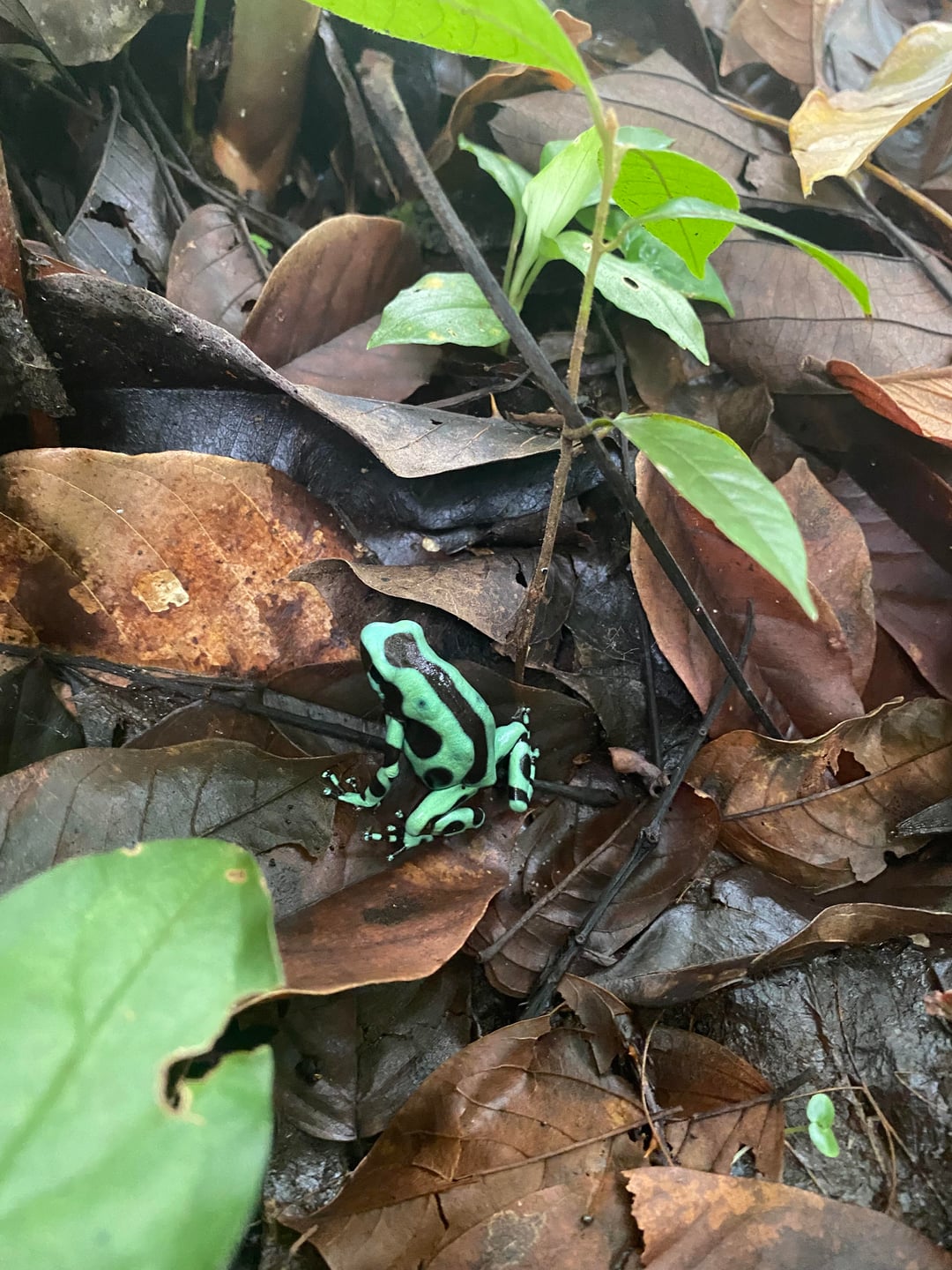
Dense plants cover the forest floor and trees. Leaves, moss, and fallen branches offer great shelter. These frogs hide under leaves or inside plants. The thick vegetation keeps them safe from predators.
Credit: www.miamiherald.com
Microhabitat Preferences
The Green and Black Poison Dart Frog thrives in specific microhabitats within its tropical rainforest environment. These small frogs choose spots that support their survival and daily activities. Their microhabitat preferences include areas with the right water, ground cover, and canopy conditions. Understanding these helps us appreciate how these frogs live and stay safe.
Water Sources And Moisture
Water is vital for the Green and Black Poison Dart Frog. They prefer habitats near clean, fresh water like small streams or ponds. Moisture keeps their skin healthy and helps them breathe. These frogs avoid dry areas because they can easily lose water through their skin. Damp spots also provide breeding grounds and food sources like insects.
Leaf Litter And Ground Cover
Leaf litter offers shelter and hiding places from predators. The frogs use fallen leaves and plants on the forest floor to stay safe. This ground cover keeps the environment humid and cool. It also holds many insects, which serve as food. Frogs often hop through thick leaf litter to find mates and hunt.
Tree Canopy And Elevation
The tree canopy controls sunlight and temperature below. Green and Black Poison Dart Frogs prefer low to medium elevation forests. These areas provide stable temperatures and shade. The canopy also helps keep the humidity high, essential for their skin and survival. They usually stay close to the ground but benefit from the shelter above.
Diet And Hunting
The Green and Black Poison Dart Frog survives by eating small insects. Its diet plays a key role in its health and bright colors. This frog uses clever hunting skills to catch prey in its humid rainforest home.
Insect Prey Types
This frog mainly eats ants, termites, and small beetles. It also consumes tiny spiders and mites. These insects provide important nutrients and toxins. The toxins help the frog stay poisonous and safe from predators.
Foraging Behavior
The frog hunts mostly during the day. It moves slowly and carefully on leaves and branches. It uses its sticky tongue to catch prey quickly. The frog searches in moist areas where insects gather. Sometimes it waits still for prey to come near.
Nutritional Impact On Survival
Eating the right insects keeps the frog strong and healthy. The toxins from prey help build the frog’s poison. Without these insects, the frog loses its defense. Proper nutrition also supports growth and reproduction. A balanced diet means a better chance to survive in the wild.
Camouflage And Defense
The Green and Black Poison Dart Frog has unique ways to stay safe in the wild. Its camouflage and defense help it avoid danger. These frogs use bright colors and toxins to protect themselves from predators. This section explores how their colors, poison, and behavior work together for survival.
Coloration Patterns
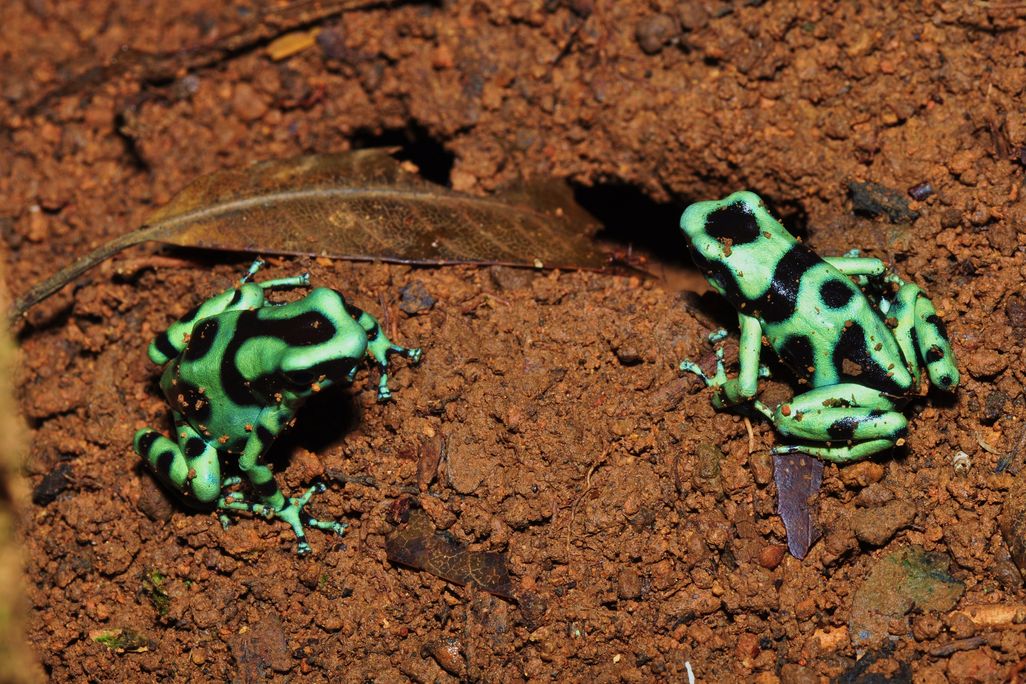
The frog’s green and black colors blend with leaves and shadows. Bright green spots cover a dark body. This pattern breaks up its shape in the rainforest. It makes the frog hard to see on wet leaves or moss. The colors also warn other animals of danger.
Toxicity Mechanisms
This frog produces strong poison in its skin. The poison comes from the insects it eats. Tiny alkaloids in its body cause harm to predators. Touching or eating this frog can be deadly. The poison is a natural chemical shield for protection.
Predator Deterrence
Predators learn to avoid the frog’s bright colors. The green and black pattern signals poison. Many animals remember the frog’s bad taste or illness. This helps the frog stay safe without fighting. Its colors act as a warning sign in the wild.
Reproductive Habits
The Green and Black Poison Dart Frog has unique reproductive habits. These habits help them survive in their natural habitat. Their breeding process is fascinating and important for their species’ continuation.
Breeding Sites
These frogs choose small water bodies for breeding. Often, they use tiny pools in plants or tree holes. These sites keep the eggs safe from predators. The water is clean and shallow, perfect for young frogs.
Egg Laying And Development
The female lays a small clutch of eggs on moist surfaces. Usually, these are on leaves near water. The eggs are clear and small. They hatch in about two weeks into tadpoles. Tadpoles develop quickly in the water.
Parental Care
Parents play an important role in caring for their young. The male often guards the eggs until they hatch. After hatching, he carries tadpoles to water spots. This care increases the survival chances of the young frogs.
Credit: www.smithsonianmag.com
Adaptation Strategies
The Green and Black Poison Dart Frog thrives in tropical rainforests. Its survival depends on special adaptation strategies. These strategies help it handle temperature changes, avoid predators, and live through habitat shifts. Understanding these methods reveals how this small frog stays strong in nature.
Temperature Regulation
The frog lives in warm, humid places. It stays active during cooler parts of the day. It hides under leaves or near water to stay moist. Its skin helps control water loss. This keeps the frog from drying out. The frog’s dark color also helps absorb heat. These steps keep its body temperature steady.
Avoiding Predators
The frog uses bright colors to warn predators. These colors mean the frog is toxic. Predators learn to stay away. The frog also stays still to avoid notice. It hides in plants and leaf litter. Quick jumps help it escape danger fast. These tactics keep the frog safe from threats.
Surviving Habitat Changes
Rainforests often change with weather and seasons. The frog moves to wetter areas if needed. It can live in small, shaded spots. The frog lays eggs in water pools on leaves. This helps young frogs grow safely. These behaviors help the frog survive in shifting homes.
Conservation Challenges
The Green and Black Poison Dart Frog faces many threats. These threats make survival difficult for this colorful amphibian. Conservation efforts must focus on these challenges. Protecting their natural habitat is critical for their future.
Habitat Loss
Deforestation destroys the frog’s home. Forests are cut for farming and buildings. This reduces places where frogs can live and breed. Less habitat means fewer frogs can survive. Protecting forests helps keep their population stable.
Climate Change Effects
Rising temperatures change the frog’s environment. Changes in rainfall affect their breeding cycles. Some areas may become too dry or too wet. These shifts can reduce food and shelter. Climate change makes their survival harder every year.
Human Impact And Protection Efforts
Humans collect these frogs for pets, causing population decline. Pollution from farms and towns harms water quality. Conservation groups work to protect habitats and stop illegal collection. Education helps people understand the frog’s importance. Laws and reserves help keep these frogs safe.

Credit: www.reddit.com
Frequently Asked Questions Green and black poison dart frog habitat
What Is The Natural Habitat Of Green And Black Poison Dart Frogs?
Green and Black Poison Dart Frogs live in humid tropical rainforests. They prefer moist, shaded areas near streams and leaf litter. These frogs thrive in Central and South America’s lowland forests, where temperature and humidity remain stable.
How Does The Habitat Affect Their Survival And Behavior?
The humid and warm environment supports their skin moisture and breeding. Dense foliage provides shelter and hunting grounds for insects. Water sources are vital for their tadpoles’ development. Habitat quality directly influences their health and toxicity levels.
Why Are Green And Black Poison Dart Frogs Found Near Water Bodies?
Water bodies provide essential breeding sites for tadpoles. Moisture maintains their delicate skin and prevents dehydration. Streams and pools offer protection from predators and help regulate temperature. This proximity is crucial for their life cycle continuation.
What Threats Impact The Green And Black Poison Dart Frog Habitat?
Deforestation and habitat destruction are major threats. Pollution and climate change disrupt their delicate ecosystem. Human activities reduce breeding sites and food sources. Conservation efforts focus on protecting rainforest environments to ensure their survival.
Conclusion
The green and black poison dart frog lives in warm, wet forests. It needs clean water and lots of plants to survive. These frogs play an important role in their environment. Protecting their habitat helps many other animals too. Small changes in the forest can hurt these frogs quickly.
People can help by keeping forests safe and clean. Watching these frogs reminds us how nature depends on balance. Their bright colors warn predators to stay away. Nature’s wonder, fragile and beautiful, deserves our care.
Poison Dart Frog in the Tropical Rainforest: Stunning Colors & Secrets