
Equine-assisted activities, which provide benefits such as improved emotional regulation, increased physical core strength, and better social confidence, involve structured interactions with horses to help people reach specific mental or physical health goals. The primary difference between these activities is whether the session focuses on riding skills or ground-based emotional grounding, as this change determines which type of professional leads the work.
Equine Therapy Options at a Glance
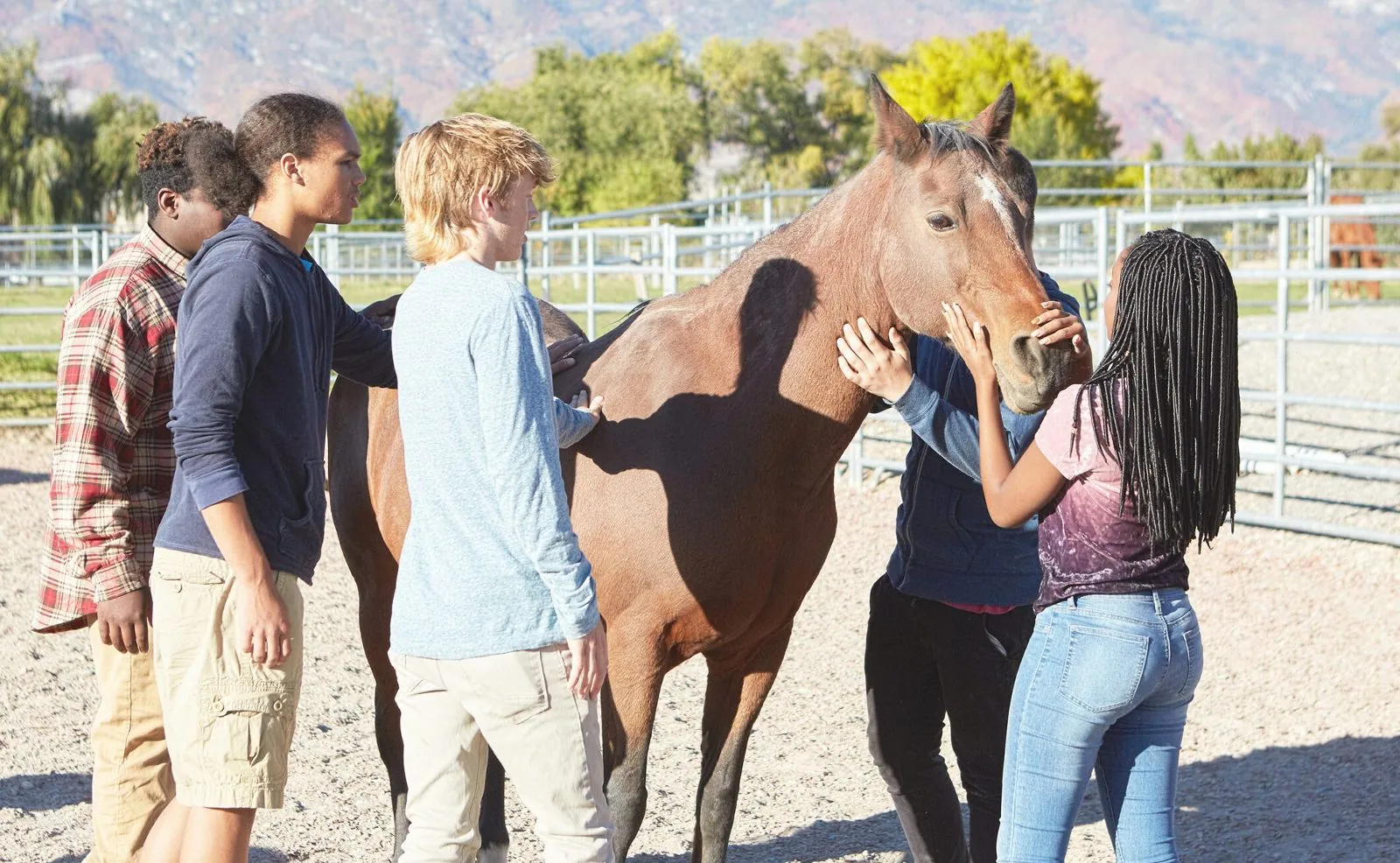
The following table summarizes the different ways people interact with horses to achieve specific health outcomes. Each modality relies on the animal’s unique sensitivity to human nonverbal cues to bridge the gap between clinical goals and real-world application.
| Therapy Type | Best For | Concrete Example |
|---|---|---|
| Equine-Assisted Psychotherapy | Emotional regulation | Ground-based anxiety coaching |
| Therapeutic Riding | Physical coordination | Adaptive core stability training |
| Hippotherapy | Occupational goals | Sensory integration exercises |
| Equine-Assisted Learning | Social skills | Teamwork workshops for youth |
When choosing a path, consider whether your primary objective is physiological development or psychological growth. Hippotherapy and therapeutic riding prioritize motor function, utilizing the horse’s rhythmic gait to stimulate muscle engagement. Conversely, psychotherapy and learning focus on the relational dynamic. These sessions emphasize the horse as a mirror for your internal state, providing immediate, honest feedback that traditional office-based talk therapy often lacks.
Equine-Assisted Psychotherapy
Equine-assisted psychotherapy involves non-mounted interactions where clients work with a therapist and a horse to process emotional challenges. It suits people who struggle with verbalizing trauma or those who need immediate feedback on their behavior. The horse acts as a mirror, reacting to the client’s energy and body language, which forces the person to remain present.
- Helps clients identify and manage intense emotions in a controlled setting.
- Builds trust between the client and the animal, which often transfers to human relationships.
- Provides a safe space to practice setting boundaries without fear of judgment.
A patient might spend 45 minutes guiding a horse through a series of obstacles to practice non-verbal communication and assertive leadership.
Therapeutic Riding
Therapeutic riding uses mounted exercises to improve motor skills, balance, and posture for individuals with physical or cognitive disabilities. It’s ideal for people who need to strengthen their core muscles or improve their spatial awareness through rhythmic movement. Because the horse’s gait mimics the human walking pattern, it helps riders develop better trunk control and pelvic stability.
- Increases muscle tone in the core, back, and legs through constant postural adjustments.
- Boosts self-esteem by teaching the rider how to control a large animal independently.
- Improves focus and attention span by requiring the rider to follow multi-step instructions.
A rider may work for 30 minutes on a lunge line to improve their sitting posture while following the therapist’s vocal cues.
Hippotherapy
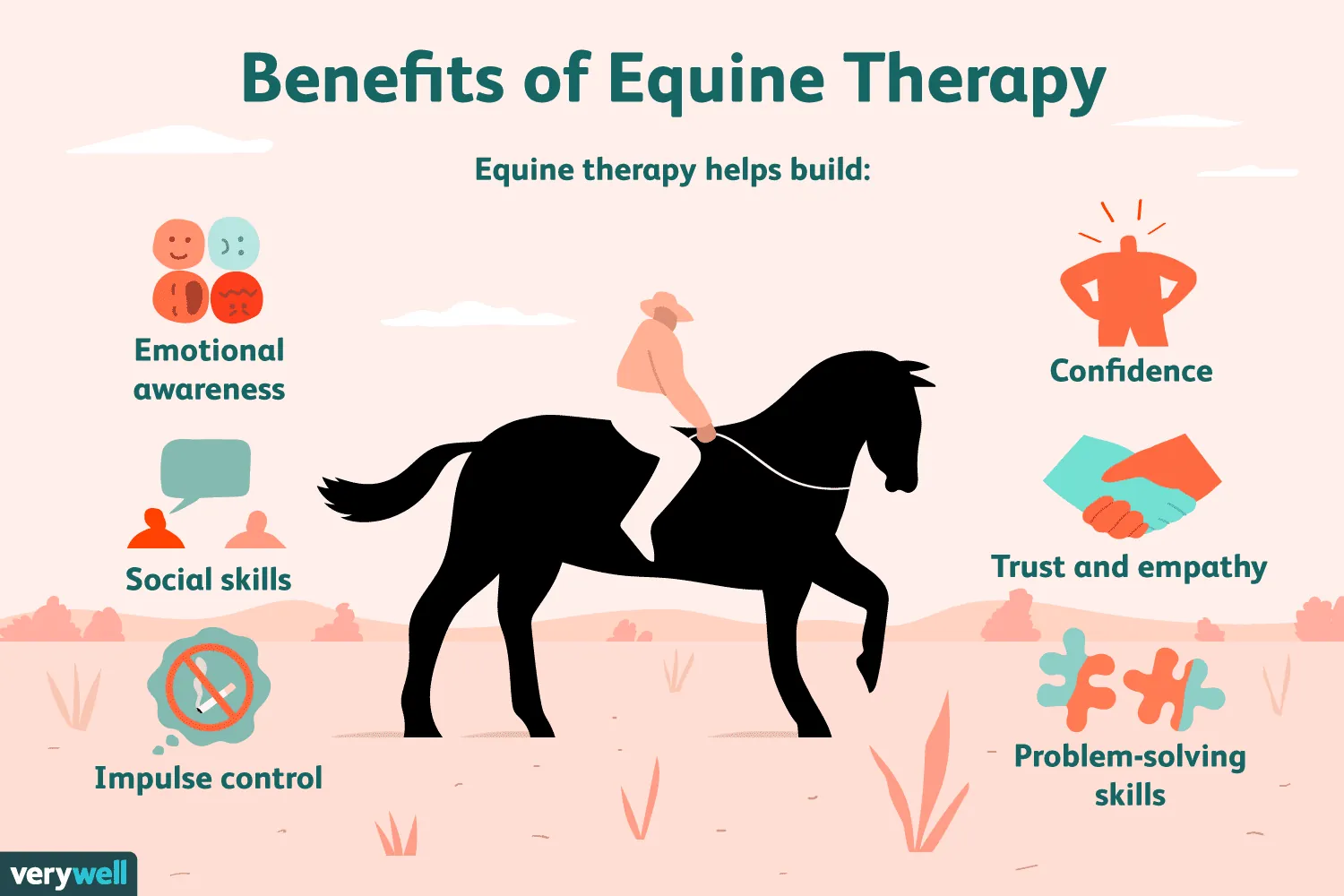
Hippotherapy is a treatment strategy used by licensed physical, occupational, or speech therapists who incorporate the horse’s movement into their clinical practice to address neurological or sensory issues. It’s meant for people with diagnosed medical conditions, such as cerebral palsy or autism, rather than those seeking general life coaching. This method requires a specialized team, including a horse handler and side-walkers, to ensure the safety of the patient at all times.
- Provides sensory input that helps improve balance and coordination in people with motor delays.
- Encourages speech and language development through natural, rhythmic motion.
- Supports neuroplasticity by challenging the brain to adapt to the horse’s shifting gait.
If you have a neurological condition, you must consult your primary care physician to see if this is appropriate for your specific diagnosis. This isn’t for people without a clear medical recommendation, as the physical demands of being on a horse can be strenuous for the body.
Equine-Assisted Learning
Equine-assisted learning focuses on personal development and professional skill building rather than clinical therapy. It suits students, corporate teams, or anyone looking to improve their leadership, communication, and problem-solving abilities. The Professional Association of Therapeutic Horsemanship International sets the standards for these programs, ensuring that facilitators are properly trained to manage both the horses and the participants safely.
- Develops leadership presence by teaching participants how to influence the horse’s movement.
- Enhances active listening skills by requiring participants to observe the horse’s subtle cues.
- Builds resilience by turning unsuccessful attempts into learning moments during group exercises.
A group of five employees might spend an hour working together to groom and lead a horse through a maze.
Other Horse-Related Wellness Activities
Equine-Facilitated Wellness focuses on general well-being and stress reduction through spending time near horses without the pressure of a specific therapeutic goal or clinical outcome. This approach works because the horse’s rhythmic movement and steady presence act as a biological anchor, helping the human nervous system transition from a state of high alert into a relaxed, regulated baseline.
Equine-Assisted Mindfulness uses focused breathing and grooming techniques to help participants lower their heart rate and reach a state of calm through animal connection. By concentrating on the tactile sensation of a horse’s coat or the steady sound of their breathing, you shift your focus away from internal ruminations. This sensory grounding is particularly effective for those who find traditional meditation difficult because the horse provides immediate, non-judgmental feedback on your emotional state.
How to Choose Your Therapy
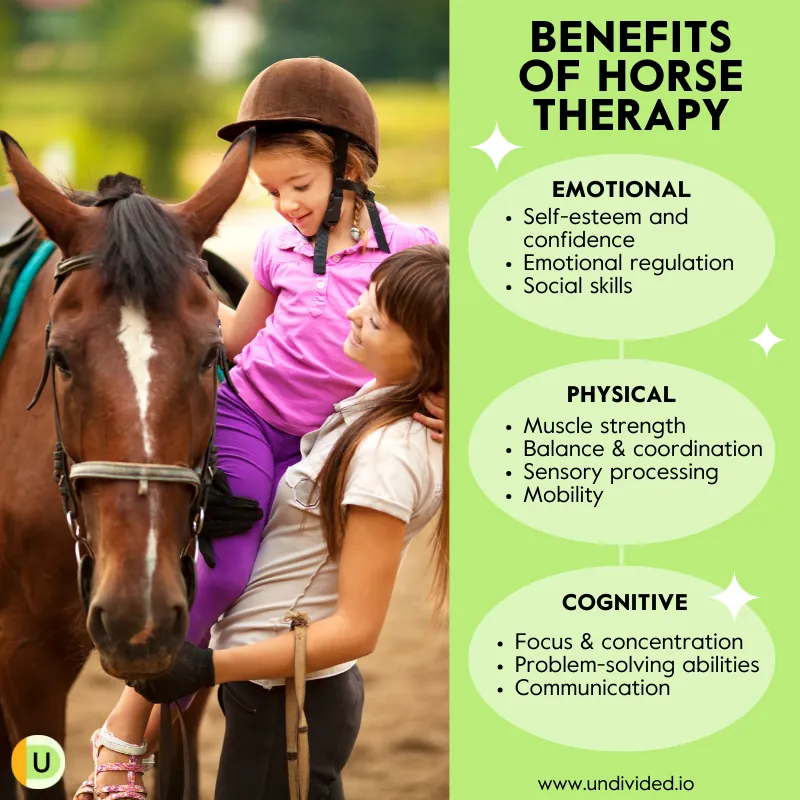
Deciding which path to take depends on your primary goal and your current physical capabilities. If you need clinical support for a diagnosed condition, look for a certified hippotherapy provider. If your goal is emotional growth or stress management, choose equine-assisted psychotherapy.
If you want to build core strength or improve your balance, seek out a center that specializes in therapeutic riding. These methods can often be combined over time, but it’s best to start with one focus to avoid overwhelming yourself or the horse.
Frequently asked questions
Can horse therapy help with depression?
Yes, clinical evidence suggests it helps reduce symptoms of depression by fostering social connection and improving mood. Most participants report a measurable decrease in feelings of isolation after 8 to 12 sessions of ground-based interaction.
How long is a typical session?
Sessions usually last between 45 and 60 minutes, depending on the client’s stamina and the specific goals set by the therapist. Children or those with physical fatigue often start with 30-minute sessions to ensure they remain safe and comfortable.
Is it safe for beginners?
Yes, it’s safe for beginners because all sessions are managed by certified professionals who handle the horses throughout the activity. You don’t need any prior experience with animals to participate in these programs, as the staff matches you with a calm, trained horse.
What happens if I am scared of horses?
It’s common to feel nervous, and the therapist will start by keeping you at a distance until you feel ready to approach. Most programs use desensitization techniques, allowing you to observe the horse from a distance before ever making direct physical contact.
Does it matter if I have never ridden?
No, it doesn’t matter because many forms of this therapy don’t require you to mount the horse at all. Ground-based work is just as effective for emotional and social goals as riding, so your lack of experience with horses is never a barrier.
How much does a session cost?
Prices vary significantly, but most private sessions in the US are relatively affordable compared to other specialized therapies depending on the facility and staff qualifications. You should check if your insurance covers these sessions, as some clinical hippotherapy treatments may be reimbursable with a physician’s referral.
Starting Your Horse Therapy Journey
Find a certified center in your area by searching for programs accredited by national therapeutic organizations. Your first step is to call and schedule an initial consultation to discuss your specific goals and safety needs.
Ask the facility about their specific intake process. Most centers require a brief assessment to ensure the horses chosen match your physical abilities and emotional requirements. This meeting is your chance to observe the environment and confirm the staff’s credentials.
A successful result is marked by your increased comfort and focus during sessions. Stop immediately and speak with your lead therapist if you feel physical pain or significant distress during any activity. Open communication with your handler is the only way to adjust the pace of your progress and ensure the therapy remains beneficial.