
Yes, horses do know when other horses die, as they’re highly social animals that react to the loss of a herd mate. This behavior usually manifests as increased vocalization, restlessness, or a period of lethargy following the death of a companion. The intensity of this reaction depends heavily on the strength of the bond between the individual horses.
Signs horses show when other horses die
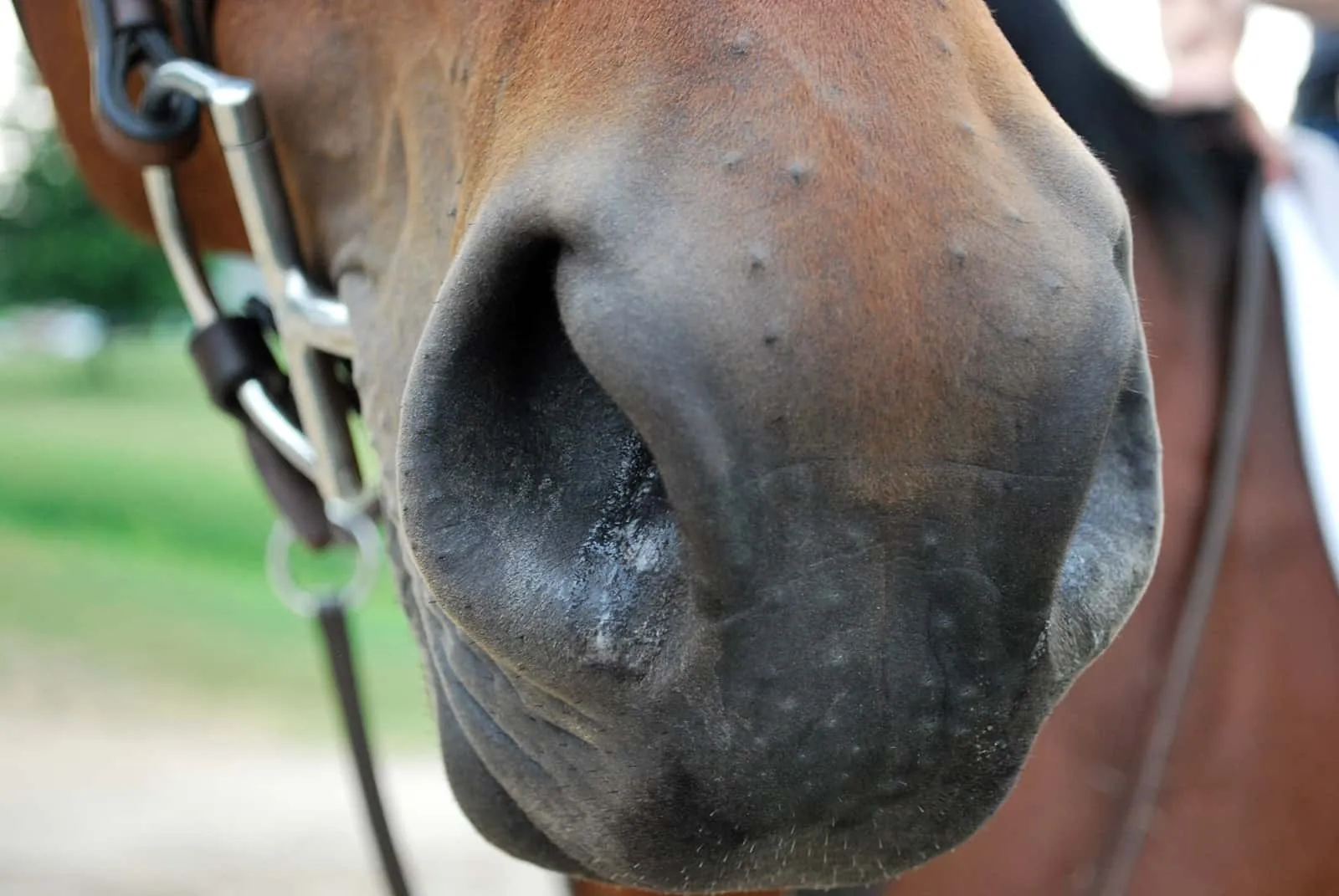
Increased vocalization is a primary indicator of distress. Horses often whinny or call out repeatedly, searching for the missing member of their group. This behavior functions as a social probe, testing the environment to see if the lost companion responds.
Physical restlessness frequently accompanies this vocalization. You might see the remaining horse pacing along the fence line or moving quickly around the paddock. This kinetic energy is a physical manifestation of their inability to settle into a routine without the missing herd mate.
Loss of appetite is another common reaction. Some horses show a temporary decrease in interest in food during the first 24 to 48 hours. This indicates a shift in priorities where social safety outweighs basic biological needs.
Altered social hierarchy also occurs. The group may reorganize as they adjust to the change in numbers and leadership dynamics. Finally, survivors stay on high alert, scanning the area for the missing horse.
Why social bonds impact equine behavior
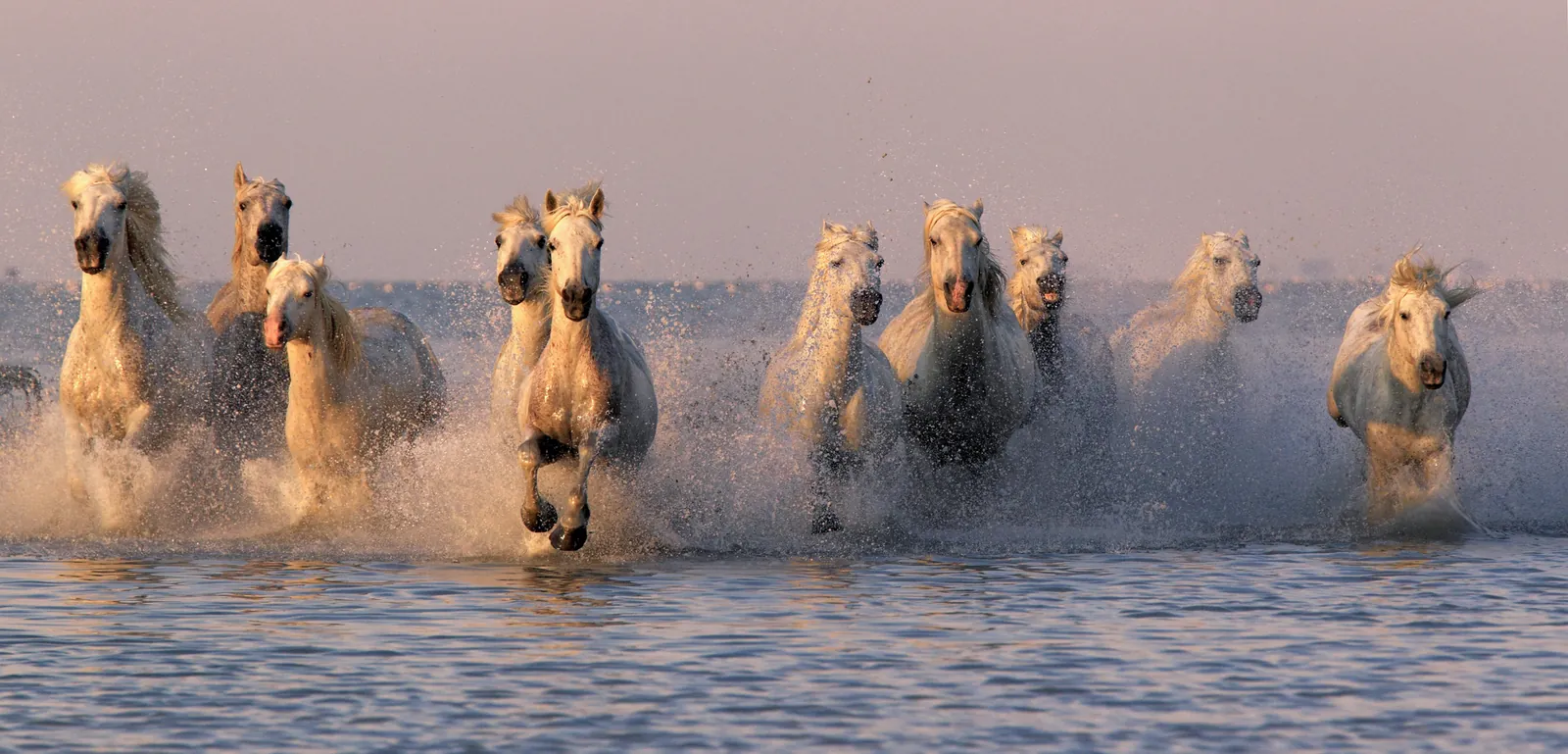
Horses are herd animals that rely on group safety to survive in the wild. This evolutionary trait makes them extremely sensitive to changes in their social circle. When a companion passes away, the remaining horses notice the absence of a familiar presence, which disrupts their sense of security. The University of Kentucky College of Agriculture, Food and Environment notes that horses form deep, long-term bonds, and the sudden removal of a friend triggers a clear behavioral shift.
This reaction isn’t just about the loss of a specific individual, but also the disruption of the herd’s rhythm. If you have a group of four horses, the removal of one horse changes the entire dynamic of the group. The horses often stand near the spot where the death occurred or where the body was placed. This shows they’re processing the absence of their friend.
The intensity of the response varies based on the closeness of the relationship. A mare and her foal or two long-time pasture mates will show much stronger signs of distress than horses that were merely grazing together in a larger, loose herd. If you’re managing a stable, you should watch for these signs of stress. A horse that’s usually calm might become aggressive or refuse to enter a stall that it once shared with the deceased partner.
Variations in herd reaction
| Situation | What changes | What to do instead |
|---|---|---|
| Strong pair bonds | High stress levels | Allow them to see the body |
| Large, loose herds | Minimal visible reaction | Maintain the usual routine |
| Isolated horses | Extreme separation anxiety | Introduce a new companion quickly |
| Mare and foal | Severe distress response | Keep them in familiar surroundings |
| Stable-kept horses | Changes in stall behavior | Increase time spent outdoors |
Horses with deep, long-term attachments often require physical closure to process the loss. Without seeing the deceased, the survivor may pace or call out for days, searching for the missing partner. Allowing a brief, supervised encounter helps them recognize the change in status, which often leads to a quicker return to grazing.
Conversely, horses in large, loose herds rely on the collective stability of the group. If the herd remains calm, the individual is less likely to show signs of distress. In these cases, changing the environment or removing the horse from the field can actually cause more confusion than the death itself. Stick to the established feeding and turnout schedule to provide a sense of security.
When dealing with isolated horses or a mare and foal, the lack of a herd buffer makes the loss feel absolute. These animals need immediate consistency to prevent dangerous, panicked behavior.
How to support horses after a loss
- Monitor the herd closely: Observe the behavior of the survivors for at least 72 hours. Check for signs of injury caused by pacing or frantic movement.
- Allow for visual confirmation: If safe and practical, letting the herd see the deceased horse helps them understand that the companion is truly gone.
- Keep the routine stable: Feedings, turnout times, and exercise schedules should stay the same. Consistency provides a sense of security to animals that are already feeling stressed.
- Avoid immediate isolation: Don’t lock the remaining horses in small stalls if they’re used to open space. Being confined can increase their anxiety levels significantly.
- Offer extra attention: Spend more time grooming or hand-grazing the affected horses. Your presence can act as a bridge while they adjust to the new group structure.
- Introduce new companions slowly: If the herd is now too small for safety, don’t rush a new horse into the mix. Use a fence-line introduction over several days.
Common mistakes during loss
Removing the body too quickly prevents the herd from processing the loss. When horses are denied the chance to investigate a deceased companion, they often pace or call out for days, searching for a member that never returns. Allowing a brief period of contact helps the survivors understand the reality of the situation.
Separating the survivor is another common error. Isolating a grieving horse because it’s pacing or acting out only heightens its distress. Social contact provides essential security, so keep the horse within its familiar herd whenever possible.
Changing the feed or environment adds unnecessary pressure to an already taxed system. Introducing new stressors during this vulnerable window frequently triggers physical complications like colic. Maintain your established routine to provide a sense of stability. Finally, don’t overlook signs of severe depression. If a horse stops eating or drinking, consult your veterinarian immediately.
Frequently asked questions
Can horses suffer from depression after a death?
Yes, horses can show signs of depression, including lethargy, loss of appetite, and a lack of interest in their usual activities. This behavior typically lasts for a few days up to two weeks, depending on the bond. If the horse remains withdrawn for longer, consult your veterinarian to rule out underlying health issues caused by stress.
How long does a horse grieve?
The active signs of grief, such as pacing or calling, usually last between 48 and 72 hours. Most horses return to their normal social behavior within two weeks. The exact duration depends on the individual horse’s temperament and how long it had been living with the deceased companion in the same pasture.
Should I let the herd see the dead horse?
Yes, letting the herd see the body is generally helpful as it allows them to recognize that the horse is gone. This often prevents the long-term searching behavior that occurs when a companion simply disappears. Ensure the area is safe and the other horses can’t be injured by the equipment used to move the body.
Is it safe to introduce a new horse immediately?
No, it’s better to wait until the current herd has stabilized before adding a new member. Introducing a stranger while the existing horses are already stressed can lead to fighting and further instability. Wait at least one week to ensure the remaining horses have returned to their normal social rhythm.
Does the age of the horse affect its reaction?
Yes, younger horses and those that have lived in the same pair bond for many years often show the most intense reactions. Older horses that have experienced multiple herd changes over their lives may show a more muted response. Always watch for physical signs of stress, regardless of the horse’s age.
What happens if the horse refuses to eat?
A horse that refuses to eat for more than 24 hours is at risk for colic and other digestive problems. Try offering high-quality forage or a small amount of a favorite treat to encourage intake. If they still refuse food after one day, call your veterinarian to discuss how to manage their stress-induced appetite loss.
Conclusion
If you’re caring for a horse that has just lost a friend, give them extra time and patience while they adjust to the change. You shouldn’t rush their healing process, as they’ll eventually find a new rhythm. Just keep a close eye on their appetite and comfort during this difficult transition.