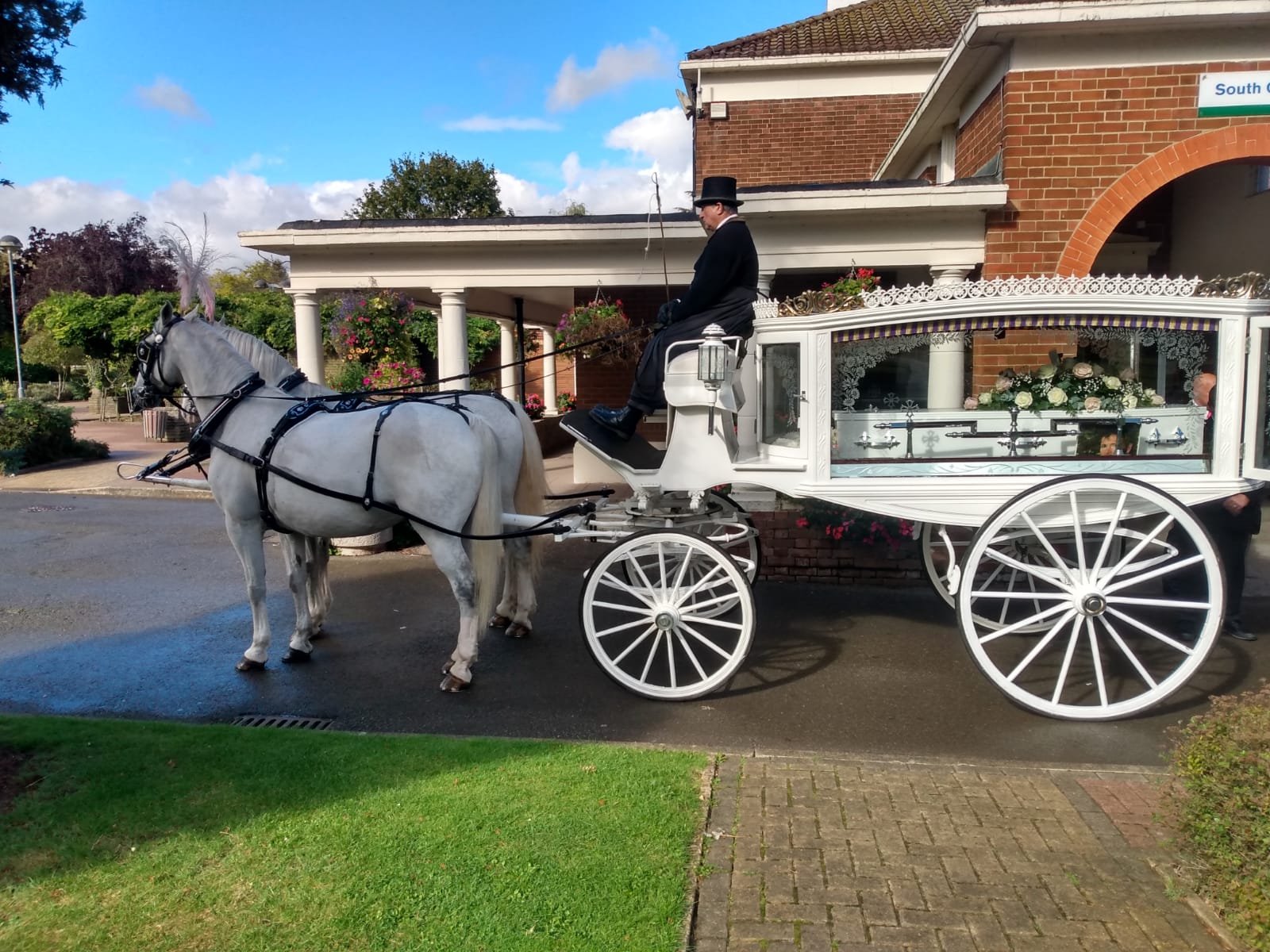
A traditional funeral horse and carriage is a relatively inexpensive option compared to other premium transport services, depending on the distance traveled and the number of horses used. You should book this service at least two weeks before the date to ensure availability with local carriage companies. This elegant option suits families looking for a formal, slow-paced, and respectful procession to the burial site.
Choosing your horse and carriage for the funeral
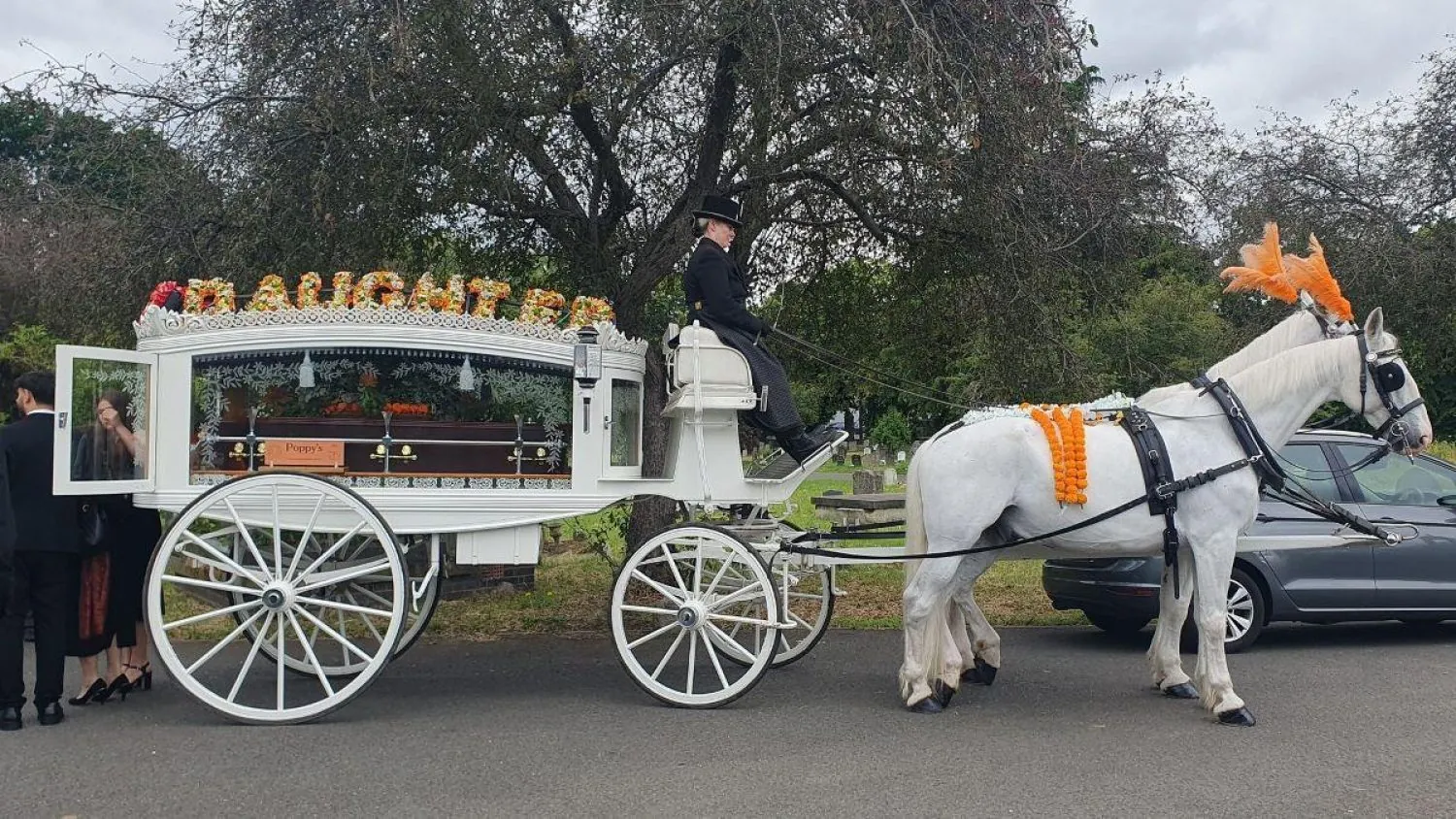
To organize this service, you need to coordinate several logistics with both your funeral director and the carriage provider. Having these items ready keeps the planning process smooth and prevents last-minute stress.
- Permits and route clearance: Check with your local Department of Transportation to confirm if your planned route allows for animal-drawn vehicles.
- Confirmed funeral timeline: You must provide the exact start time and the total distance from the funeral home to the cemetery.
- Signed contract: Ensure the agreement specifies the number of horses, the type of carriage, and the insurance coverage of the provider.
- Cemetery accessibility: Verify that the cemetery gates and paths are wide enough for the carriage to enter and maneuver safely.
- Backup transportation plan: Always have a motor hearse on standby in case of extreme weather or animal health issues.
If your chosen provider lacks liability insurance, don’t hire them. You can usually verify a company’s business status through your local city clerk’s office.
Steps to Organize the Procession
- Contact your funeral director first to see if they have a preferred vendor they work with regularly.
- Request a quote from at least two different carriage services to compare pricing and equipment quality.
- Confirm the exact route with the police department if the procession will cross busy intersections or main roads.
- Schedule a meeting with the carriage driver to discuss the pace of the procession and the desired arrival time at the graveside.
- Assign a family member to coordinate with the driver on the day of the funeral to handle any sudden changes.
- Ensure the casket is secured properly within the carriage using the provided mounting hardware before the horses start moving.
Careful: Never allow the carriage to move faster than a steady walking pace, as sudden movements can cause the casket to shift. Tip: If the distance exceeds five miles, ask the provider for a horse exchange or a shorter route to prevent animal fatigue.
Variations in Cost and Logistics
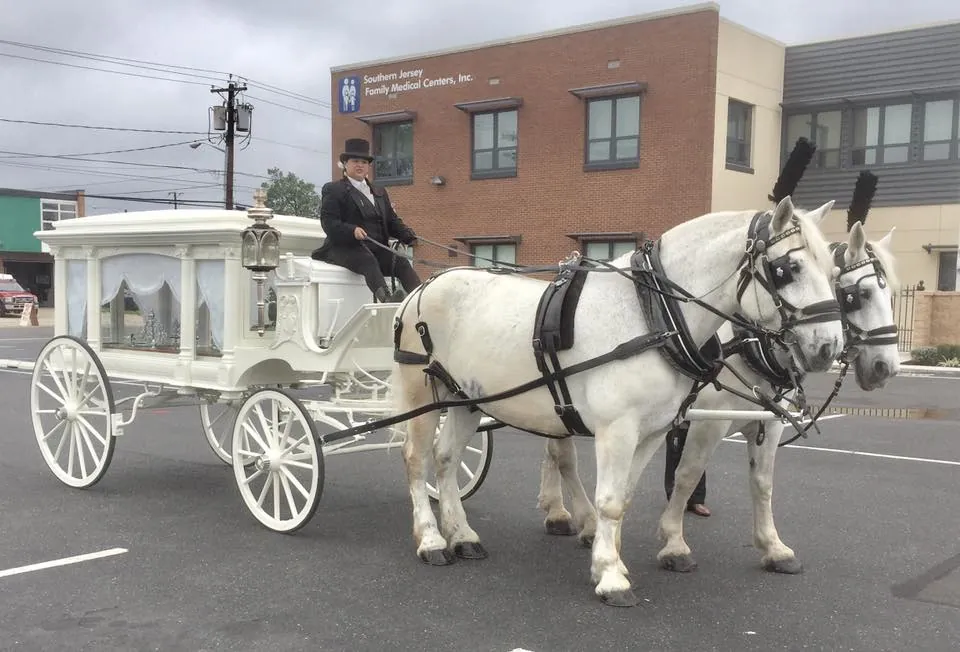
The total price for this service changes based on your specific needs and local market rates. Starting with a basic setup is safer than choosing complex additions that might complicate the day.
| Situation | Cost Impact | Key Difference | Watch For |
|---|---|---|---|
| Short distance | Lower | Less time for horses | Traffic flow |
| Two-horse team | Moderate | Greater visual impact | Road clearance |
| Four-horse team | Higher | Formal, heavy carriage | Turning radius |
| Peak season | Higher | High demand | Early booking |
Avoid the mistake of neglecting path width. A standard carriage requires at least eight feet of clearance to turn safely. If your venue has tight gates or narrow stone pillars, you must verify the carriage dimensions beforehand. Choosing the wrong scale often leads to last-minute cancellations or damaged property. Always measure the narrowest point of your entrance before finalizing your contract.
Assessing the Final Result
A successful funeral carriage procession maintains a smooth, dignified speed throughout the entire journey. The horses should remain calm, and the carriage should follow a clear, pre-planned path without stopping unexpectedly in traffic. If the carriage jolts or the horses appear agitated, it often means the route was too steep or the load wasn’t balanced correctly.
To prevent issues, ensure the driver has experience with funeral processions specifically, rather than just general event work. Always confirm that the carriage is deep-cleaned and the harness is well-maintained before the day begins.
Regulations and Follow-up Care
Local city ordinances often dictate the use of animal-drawn vehicles on public roads, so you must confirm these rules with your municipal authorities. Check if your route requires a specific permit or restricts travel to secondary roads to avoid heavy traffic.
After the service, ensure the carriage company removes all waste from the loading area and that any floral tributes attached to the carriage are safely transferred to the gravesite. If you see debris left behind, document it immediately, as many municipalities levy fines against the permit holder for sanitation oversights.
The result of a well-planned procession lasts for the duration of the journey, typically taking between 30 and 60 minutes. If you encounter any problems during the event, record the incident details and report them to your funeral director for follow-up. Keep a written log of the driver’s arrival time and any delays to ensure accurate billing for extended service hours.
Alternative Transportation Methods
Motorized Classic Hearse
A vintage motorized hearse provides a similar aesthetic to a carriage without the risks associated with live animals. This option is often more reliable in bad weather and costs significantly less, as it doesn’t require specialized animal transport or route permits.
Standard Funeral Hearse
This is the most common and cost-effective choice for modern funerals. It’s highly reliable, fits all standard cemetery paths, and is included in almost every standard funeral package, saving you from the extra logistics of finding a specialized carriage provider.
Direct Transport
For families who prefer a private or simple ceremony, direct transport moves the casket to the cemetery without a formal procession. This is the fastest and least expensive method, ideal if you’re hosting a memorial service at a different time or location.
Frequently asked questions
Can a funeral horse and carriage be used in any weather?
No, extreme weather like heavy rain, snow, or intense heat can make it unsafe for the horses. Most providers will have a clause in their contract to switch to a motor vehicle if the temperature or road conditions become dangerous for the animals.
How long does a horse-drawn procession take?
A typical procession takes between 30 and 60 minutes depending on the distance and the speed of the horses. You should plan for a slower pace than a car, as the horses must maintain a steady, respectful walking speed throughout the entire route to the cemetery.
Is it safe to use a horse and carriage on busy roads?
Yes, provided you have secured the necessary permits and have a professional driver who is trained to handle the team in traffic. You must ensure the route is cleared by local police or traffic authorities to prevent accidents and ensure the carriage has enough space to turn.
What happens if the horse gets spooked?
A professional driver will have protocols to keep the horse calm and stop the carriage safely if the animal shows signs of distress. You should always confirm that the provider has emergency training and insurance that covers the horses and the carriage cargo.
How many people can fit in the carriage?
Most funeral carriages are designed to carry only the casket, though some larger models may have space for a single passenger or extra floral arrangements. You should confirm the exact capacity with your provider, as most family members will need to follow in separate cars.
Do I need to tip the carriage driver?
Tipping is customary for funeral services, typically ranging from 15% to 20% of the service cost if the driver provided excellent, respectful service. You can provide this in an envelope to your funeral director to hand over after the procession is complete.
Conclusion
Choosing a reputable provider is the most important step in ensuring your ceremony goes as planned. Once you have confirmed the local regulations and your budget, the funeral director can help you coordinate the final details to ensure the day is handled with the care your family expects.