
Colorado offers some of the most dramatic equestrian landscapes in the United States, ranging from the high-altitude alpine meadows of the Rocky Mountains to the stark, red-rock formations of the high desert. Whether you’re a novice looking for a gentle guided walk or an experienced rider seeking rugged backcountry trails, finding the best place to ride horses in colorado depends largely on your desired scenery and technical comfort level. Costs for guided experiences typically range from $75 to $350 per person, depending on the duration of the ride, the inclusion of meals, and the remoteness of the trail system.
Key Takeaways
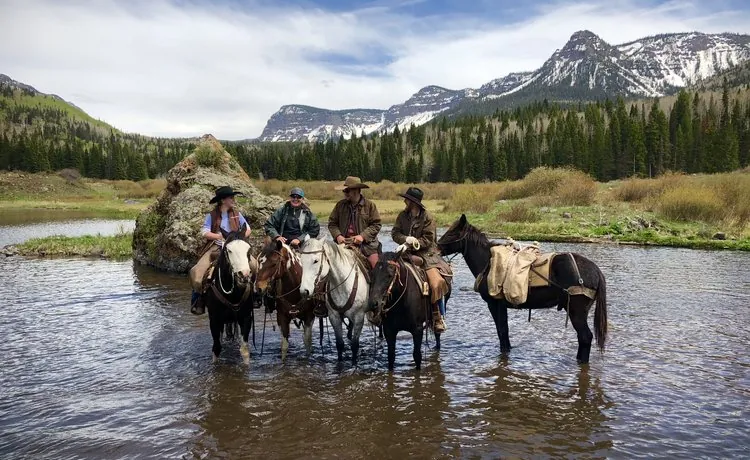
- Check seasonal trail conditions before booking, as high-altitude passes often remain snow-covered until early July.
- Always verify that your chosen stable is fully licensed and insured to operate on public or private land.
- Prioritize outfitters that provide helmets and conduct mandatory pre-ride safety briefings for all participants.
- Plan your visit during the shoulder seasons of June or September to avoid peak summer crowds and intense midday heat.
- Confirm the weight limit of the specific horses available to ensure your safety and the welfare of the animals.
Best Places to Ride Horses in Colorado
Colorado is divided into distinct geographic zones, each offering a unique perspective on the state’s natural beauty. When selecting your destination, consider whether you prefer the lush, forested slopes of the central mountains or the arid, dramatic canyons of the Western Slope.
The Rocky Mountain National Park Vicinity
The area surrounding Estes Park provides unmatched access to high-altitude views and dense coniferous forests. Riding here often involves navigating steep switchbacks that lead to panoramic vistas of the Continental Divide. Many local stables operate on permits that allow them to access specific trails within the national park boundaries.
The San Juan Mountains
Often referred to as the “Switzerland of America,” the San Juan range offers some of the most rugged terrain in the state. Towns like Telluride, Ouray, and Silverton serve as gateways to old mining roads and alpine basins filled with wildflowers. This region is best suited for those who appreciate dramatic vertical relief and historical mining remnants.
Comparing Popular Riding Destinations
| Destination | Primary Terrain | Best For | Difficulty Level |
|---|---|---|---|
| Estes Park | Alpine Forest | Scenic Views | Beginner to Intermediate |
| Telluride | Mountain Peaks | High-Altitude | Intermediate to Advanced |
| Garden of the Gods | Red Rock Formations | Photography | Beginner |
| Great Sand Dunes | Desert/Dunes | Unique Landscapes | Intermediate |
How to Choose a Quality Stable
Selecting a reputable outfitter is the most critical step in ensuring an enjoyable experience. A professional stable should prioritize the health of their herd and the safety of their guests.
Pro Tip: Always call the stable directly to ask how often their horses are rotated and if they have a mandatory retirement policy for older animals.
- Ask about herd management: A reputable operator will openly discuss their veterinary care and feeding programs.
- Safety protocols: Check if they offer a riding assessment before heading out on the trail to ensure you’re matched with the right horse.
- Group sizing: Smaller group sizes generally allow for a more personalized experience and less stress on the horses.
Essential Gear for Colorado Rides
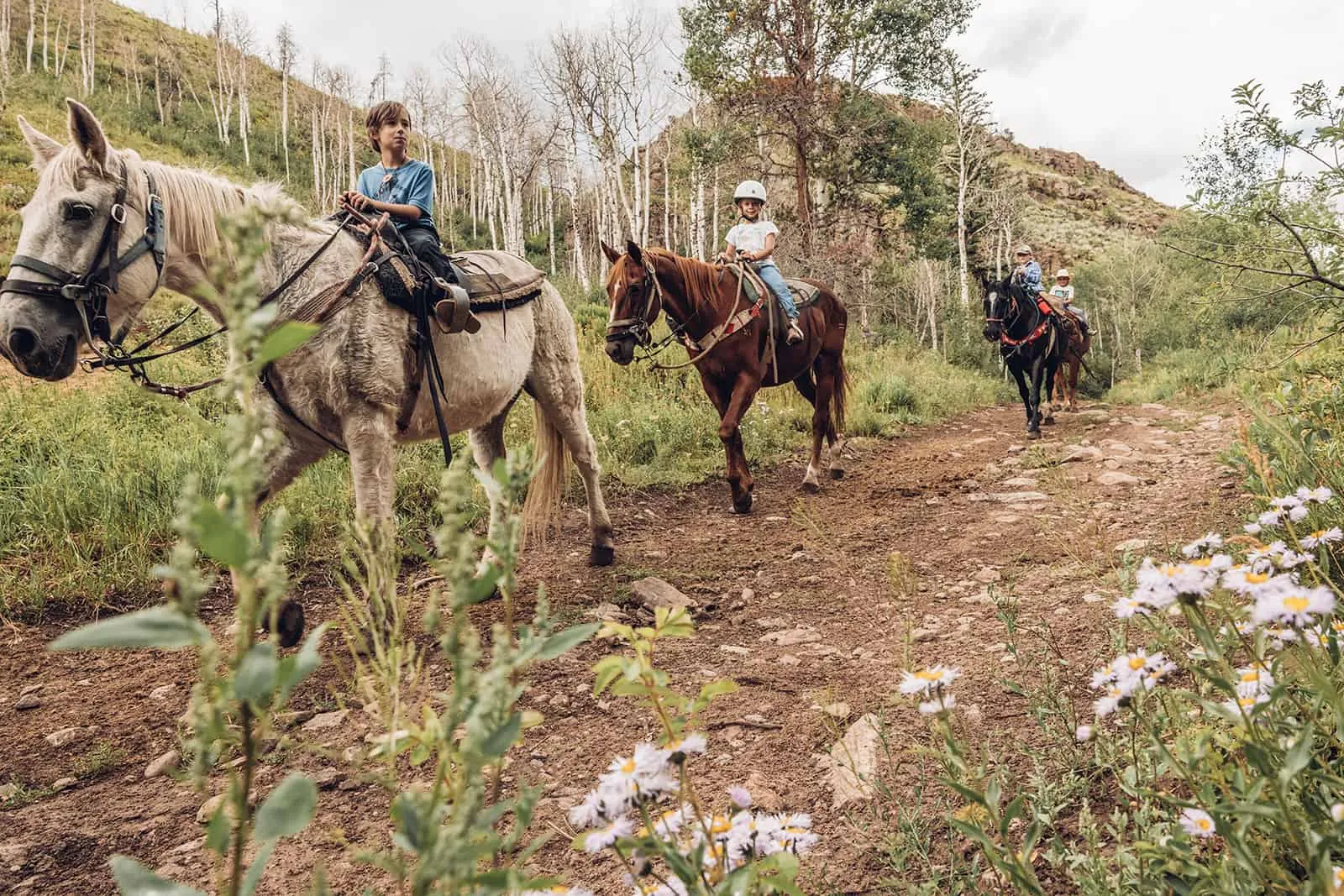
Even in the summer, Colorado weather can shift rapidly. Being prepared with the right equipment ensures you remain comfortable regardless of sudden temperature drops or afternoon thunderstorms.
| Item | Purpose | Why It Matters |
|---|---|---|
| Layered Clothing | Temperature Control | Mountain weather changes quickly |
| Sturdy Boots | Ankle Support | Essential for stirrup stability |
| Sun Protection | UV Mitigation | High altitude increases burn risk |
| Water Bottle | Hydration | Dry air causes rapid dehydration |
Can You Ride Year-Round?
While some lower-elevation regions, such as the areas near Colorado Springs or the Grand Junction desert, offer riding opportunities throughout the winter, the high country is strictly seasonal. Most high-altitude trails are inaccessible from November through May due to heavy snowfall. If you’re planning a winter trip, focus your search on winter-accessible trail systems managed by the U.S. Forest Service to ensure you aren’t trespassing on closed lands or endangering local wildlife.
Understanding Equestrian Safety Standards
Safety isn’t just about the gear; it’s about understanding the animal and the environment. Colorado’s diverse wildlife, including elk, deer, and occasionally bears, can startle even the most seasoned trail horse. A professional guide will be trained to recognize these risks and manage the group accordingly.
Warning: Never attempt to feed local wildlife or approach animals from behind, as this can cause both the horse and the wild animal to react unpredictably.
- Helmet Usage: Always wear an ASTM-SEI certified equestrian helmet, regardless of your personal experience level.
- Mounting Procedures: Follow the guide’s instructions exactly when mounting, as they understand the specific temperament of the horse you have been assigned.
- Trail Etiquette: Remember that hikers and mountain bikers often share these trails; always yield to uphill traffic and communicate clearly when passing.
Planning Your Equestrian Budget
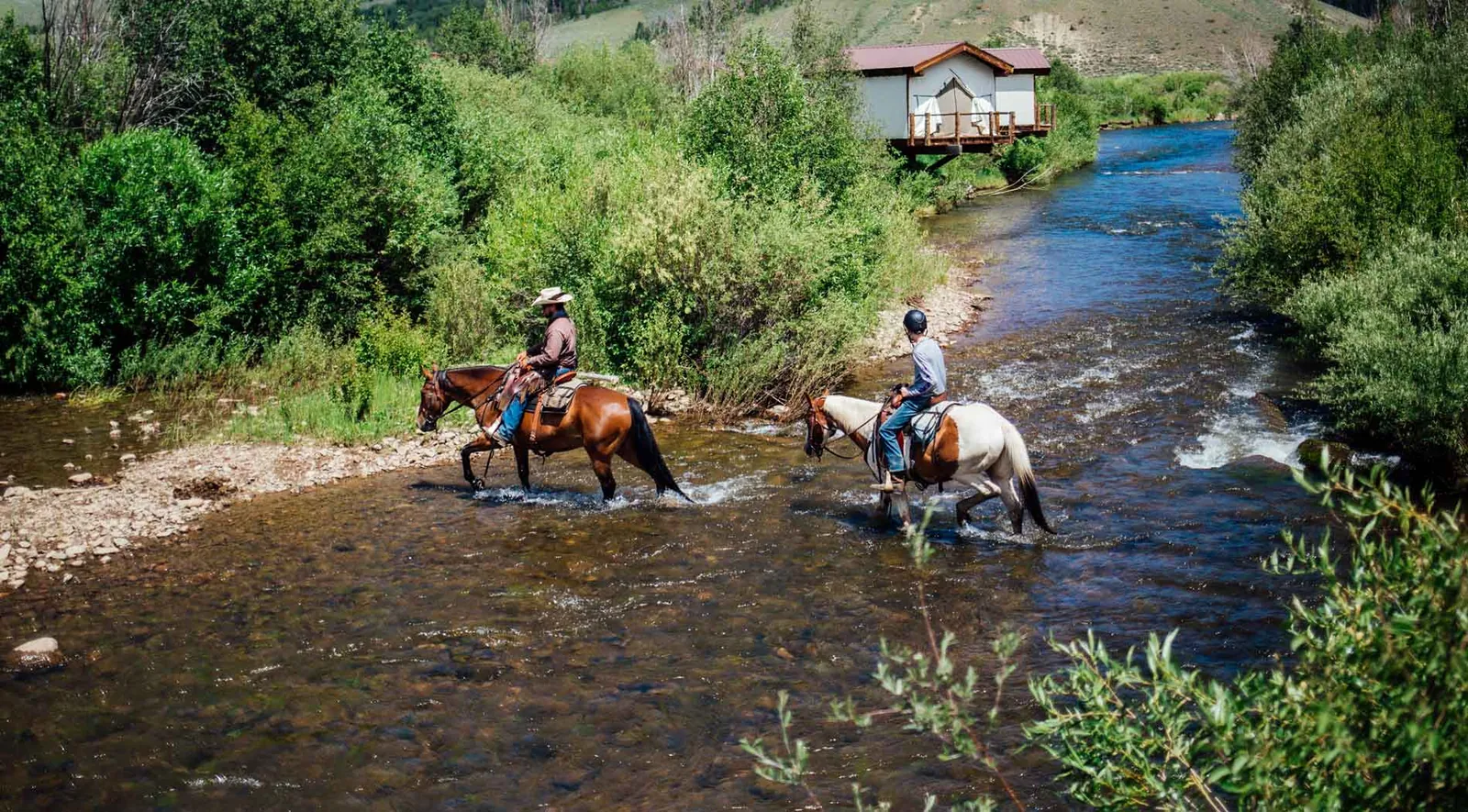
When budgeting, consider that the base price for a ride is rarely the total cost. You should account for gratuities, which are standard in the industry, as well as potential equipment rental fees.
- Standard Trail Rides: $75–$150 per person for a 1–2 hour session.
- Half-Day Adventures: $175–$250 per person, often including light snacks or beverages.
- Full-Day Excursions: $275–$350 per person, usually including a packed lunch and longer travel time.
- Private Tours: These may carry a premium surcharge of 20–50% over the standard group rate.
Related guides
- Best Place to Ride Horses in Iceland: Top Trails and Tours
- Best Place to Ride Horses in Ireland: Top Trails and Tours
- Is It Safe to Horse Ride in Early Pregnancy? Expert Insights
Frequently Asked Questions
Do I need prior riding experience?
Most commercial stables in Colorado cater to beginners and provide extensive instruction before departing. You don’t need previous experience, but you must be physically capable of mounting and sitting in a saddle for the duration of the trip. Always inform the outfitter of your skill level when booking so they can select a calm, reliable horse for your ride.
What should I wear for a ride?
Wear long pants, such as denim jeans, to prevent chafing against the saddle and to protect your legs from brush. Sturdy, closed-toe boots with a small heel are essential to keep your feet secure in the stirrups. Avoid loose clothing, scarves, or dangling jewelry that could get caught on branches or equipment. Dressing in layers is highly recommended to manage fluctuating temperatures.
Are children allowed on the trails?
Most operators have a minimum age requirement, typically ranging from six to eight years old, for safety reasons. Younger children might be restricted to lead-line rides in a controlled arena rather than heading out on open trails. Always verify the minimum age and height requirements with the stable before finalizing your reservation, as these policies vary significantly between different locations and terrain types.
Can I bring my own horse?
Yes, many public lands, including National Forests and State Parks, allow visitors to bring their own horses. You must ensure you have the proper trailer parking and valid Coggins test documentation as required by state law. Always check the specific trail regulations before arrival, as some areas have strict requirements regarding certified weed-free hay to protect the local ecosystem.
What happens if it rains?
Mountain weather is unpredictable, and light rain is common. Most outfits continue to operate in light rain but will cancel or reschedule if there’s severe weather, such as lightning or high winds. If you’re concerned about the forecast, contact the stable a few hours before your scheduled departure time to confirm the status of the ride.
Conclusion
The best way to begin your planning is to identify the specific region of Colorado you intend to visit and then search for licensed outfitters within that county. Once you have a shortlist of three providers, call them directly to discuss their safety records and specific trail offerings. Booking your ride at least four weeks in advance is recommended to secure your preferred date.