
Owners afford horses by balancing monthly budgets against long-term savings, choosing between full-service boarding and self-care to lower overhead. A horse requires consistent funding for stable fees, feed, and medical care. By leasing or managing animals at home, owners split costs and prioritize essential needs over luxury equipment to keep expenses manageable.
What people pay to own horses
| Expense Category | Primary Service | Financial Impact of Neglect |
|---|---|---|
| Boarding | Housing and daily turnout | Stress or health decline |
| Feed | Hay, grain, and supplements | Weight loss or colic |
| Farrier | Hoof trimming and shoeing | Lameness or permanent injury |
| Veterinary | Vaccinations and checkups | Untreated illness or death |
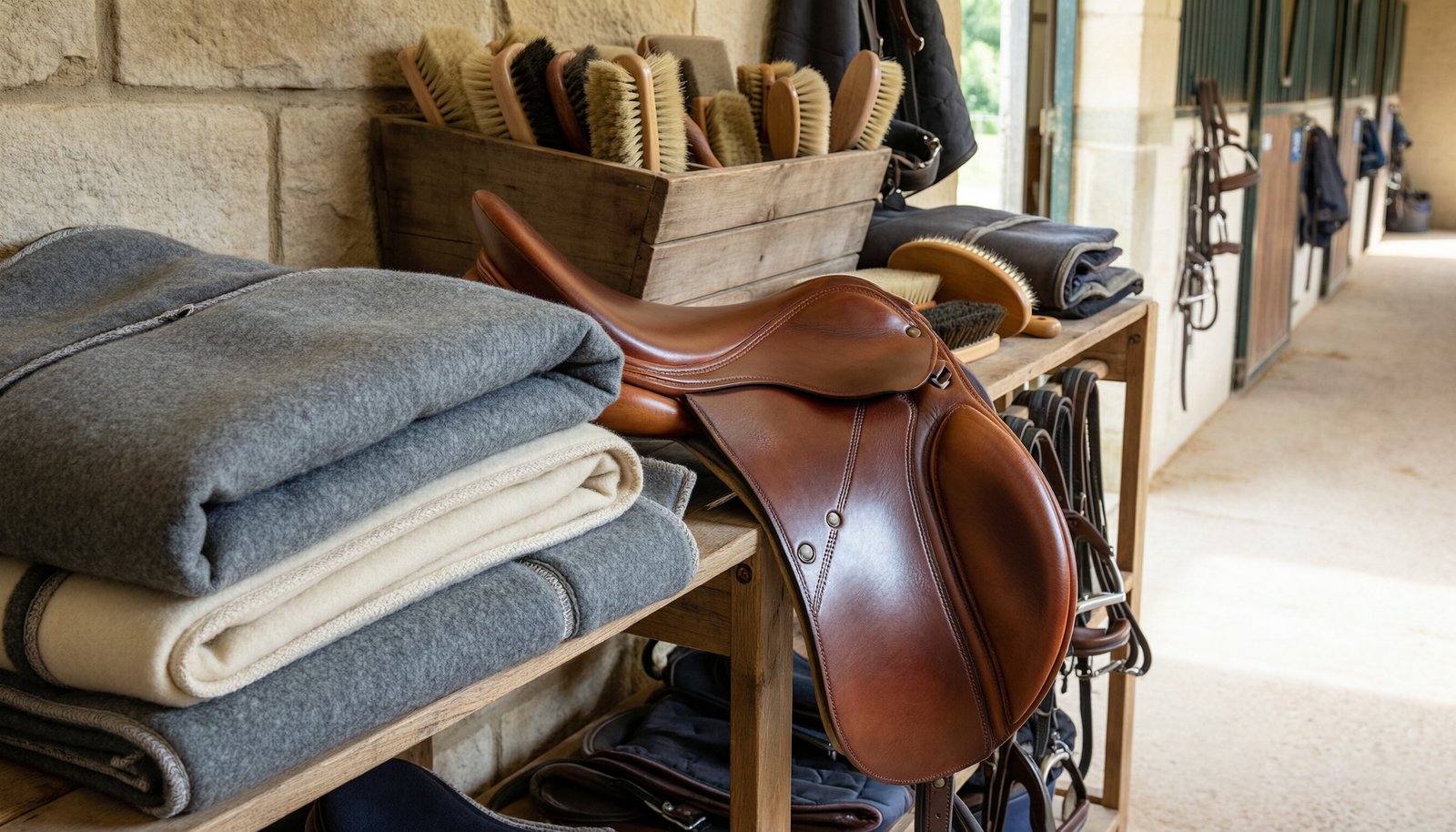
| Equipment | Tack, blankets, and grooming | Poor fit or skin sores |
Budgeting for a horse requires accounting for the “hidden” 20%—the emergency fund. A single colic surgery can easily exceed $10,000. If you can’t set aside at least $300 monthly for unexpected medical bills, you risk being forced to choose between your finances and the animal’s life.
Farrier visits aren’t optional maintenance. You must schedule these every six to eight weeks. If you wait until the horse shows signs of limping, the damage to the hoof structure is often already irreversible. A missed cycle costs you a minor trim fee, but a corrective shoeing job costs triple that amount.
Feed costs fluctuate based on your region’s climate. In drought-prone areas, hay prices can double overnight. Always keep a two-week supply of forage on hand to avoid sudden, expensive shifts in diet. Changing a horse’s feed source too quickly is the leading cause of digestive distress.
Finally, distinguish between “pasture board” and “full board.” Pasture board is cheaper but requires you to manage your own blanketing and supplement administration. If you work full-time, full board is the safer decision rule. It ensures that someone else is monitoring your horse for early signs of illness twice daily.
Managing Monthly Horse Expenses
-
Calculate the baseline board: Most owners pay a monthly fee for stall access and field turnout. This ranges from $300 to $1,500 depending on location and amenities. If you choose self-care, you save on labor costs but must purchase your own hay and bedding in bulk, which requires significant storage space. If you lack a dry, rodent-proof area for at least two tons of hay, self-care will cost you more in wasted, moldy feed than you save on board.
-
Budget for specialized nutrition: Horses need consistent access to forage. Expect to spend $150 to $300 per month on high-quality hay and grain. This assumes a standard-sized horse in moderate work; for a senior horse or one with specific metabolic needs, you may spend 20% more on specialized supplements. Use this rule: if your horse is losing topline muscle despite regular work, increase your hay intake by 10% before adding expensive concentrated supplements.
-
Schedule professional hoof care: A farrier visits every six to eight weeks. Each visit costs $50 to $200, depending on whether the horse needs simple trimming or complex corrective shoeing. Skipping this cycle to save money often leads to expensive lameness treatments that cost thousands later. If your horse spends most of its time on soft, sandy footing, you may safely extend this to ten weeks, but keep a weekly log of hoof growth to ensure the sole doesn’t become thin.
-
Allocate for annual health exams: Veterinarians perform wellness exams and administer vaccines annually. Budget at least $500 per year for these routine visits. If you own multiple horses, check if your veterinarian offers a farm-call discount, which can reduce the per-head cost of routine services.
-
Set aside emergency funds: Illness or injury can happen without warning. Keep a separate savings account with at least $3,000 to $5,000 for emergency surgeries or sudden medical needs. If you can’t afford this buffer, consider purchasing equine mortality and major medical insurance to mitigate the risk of catastrophic financial loss. Always verify if your policy covers colic surgery, as many basic plans exclude this specific, high-cost procedure.
-
Review gear and maintenance: Tack needs cleaning and occasional repair. Set aside $50 per month for replacing worn items like halters or lead ropes. This prevents equipment failure, which can lead to dangerous situations where the horse escapes or suffers an injury from broken, poorly maintained gear. Check stitching on leather goods every month; if you see fraying, have the item professionally repaired or replaced rather than attempting a DIY patch.
Why Financial Planning Prevents Crises
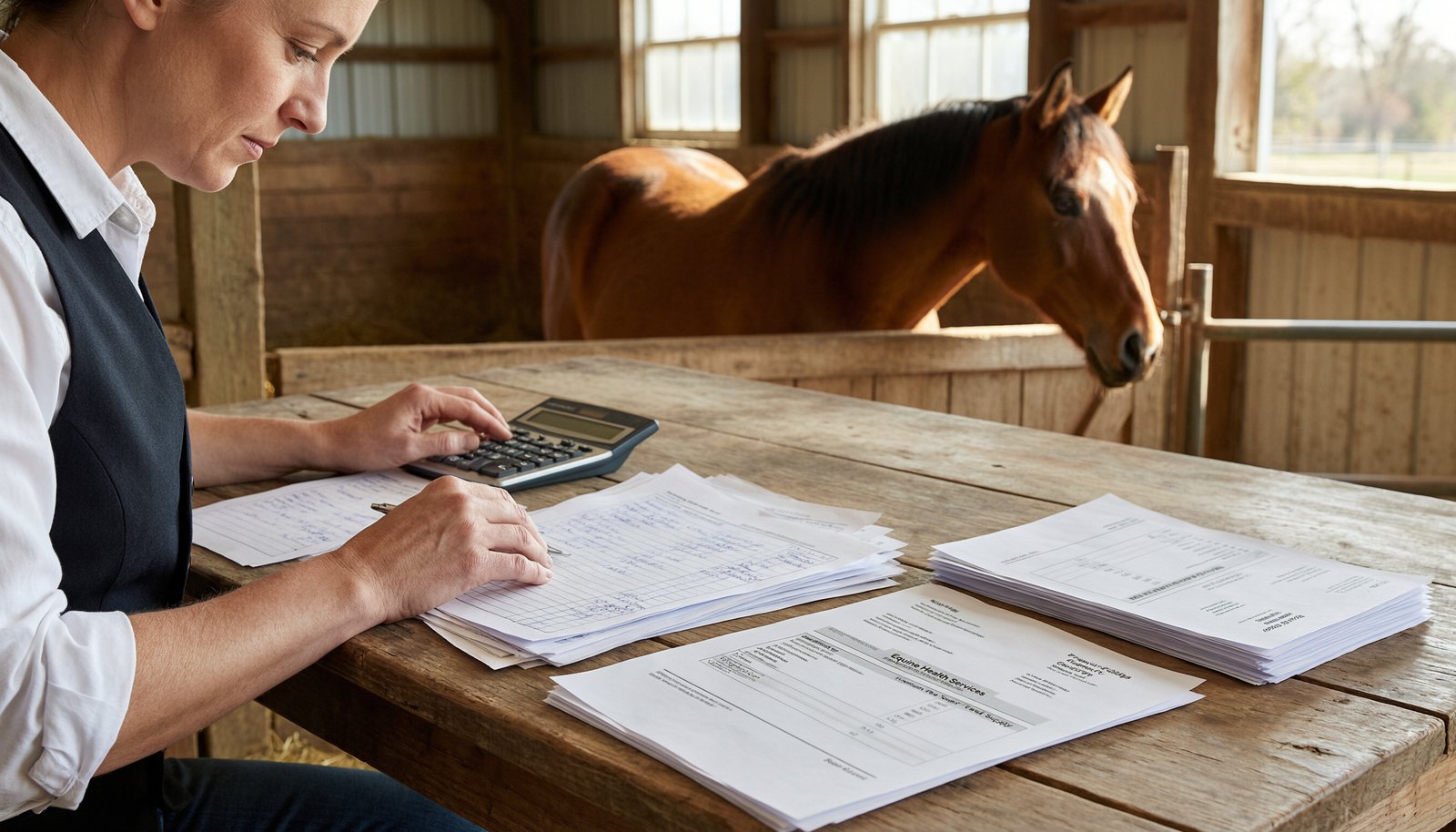
Financial stability in horse ownership relies on separating fixed monthly costs from variable emergency expenses. Many people underestimate the cost of “hidden” variables like specialized supplements or the increased hay consumption during harsh winters. When a horse is underfed or lacks regular hoof care, the physiological cost manifests as colic, joint inflammation, or hoof abscesses.
These conditions aren’t just painful for the animal; they’re significantly more expensive to treat than the cost of consistent, proactive care. A mistake people often make is focusing only on the purchase price of the horse, which is usually the smallest part of the total investment. Ignoring the high cost of maintenance for just six months can lead to a state of neglect that makes the animal unrideable or unsellable.
The trade-off exists between time and money. If you have more time, you can perform daily labor like mucking stalls or grooming, which allows you to board at a cheaper facility. If you have limited time, you must pay for a full-service barn where staff handles all chores. This decision changes your monthly outflow by several hundred dollars.
Use this rule: If your monthly budget for emergency care is less than 15% of your total annual horse expenses, you’re under-capitalized. In this scenario, a single unexpected vet visit for a minor laceration or a bout of colic will force you to choose between your horse’s health and your personal credit.
For those who can’t commit to the long-term financial burden, leasing or volunteering at a stable offers a way to interact with horses without the full weight of ownership. This isn’t for people who want total control over the animal’s daily training program or specialized medical decisions, as those rights remain with the owner.
Always remember that a horse’s health is fixed by biology, not by your bank account. Cutting corners on basic nutrition or medical care eventually results in a larger bill from a specialist. Prioritize preventative dentistry and annual blood panels; the cost of these routine procedures is a fraction of the surgical intervention required when chronic issues go undetected for years.
What You Can Control and Cannot
Things You Control
- Choice of boarding: Pick a facility that fits your budget rather than your ego. If you spend more than 30% of your monthly income on board, you’re one missed paycheck away from a crisis.
- Feed management: Buy hay in bulk during the harvest season to lower costs. Securing a year’s supply in July can save you up to 40% compared to winter market prices.
- DIY labor: Perform grooming and basic tack maintenance yourself. Professional grooming fees often exceed $200 monthly; learning to clean your own leather prevents premature cracking and saves that cost entirely.
- Insurance coverage: Choose a policy matching your risk tolerance. If your horse is worth under $5,000, consider “major medical” only rather than full mortality coverage to keep premiums manageable.
Things You Can’t Change
- Emergency medical needs: Illness requires professional veterinary intervention regardless of your current budget. A colic surgery can cost between $8,000 and $12,000; if you lack a dedicated emergency fund, you may face impossible choices.
- Basic physiology: A horse requires 1.5% to 2% of its body weight in forage daily. Attempting to cut this to save money results in ulcers or impaction colic, costing far more in vet bills than you saved on hay.
- Legal liability: You’re responsible for the animal’s actions. Even if the horse is boarded elsewhere, you remain the primary defendant in any injury lawsuit involving your animal.
Maximizing Your Horse Budget
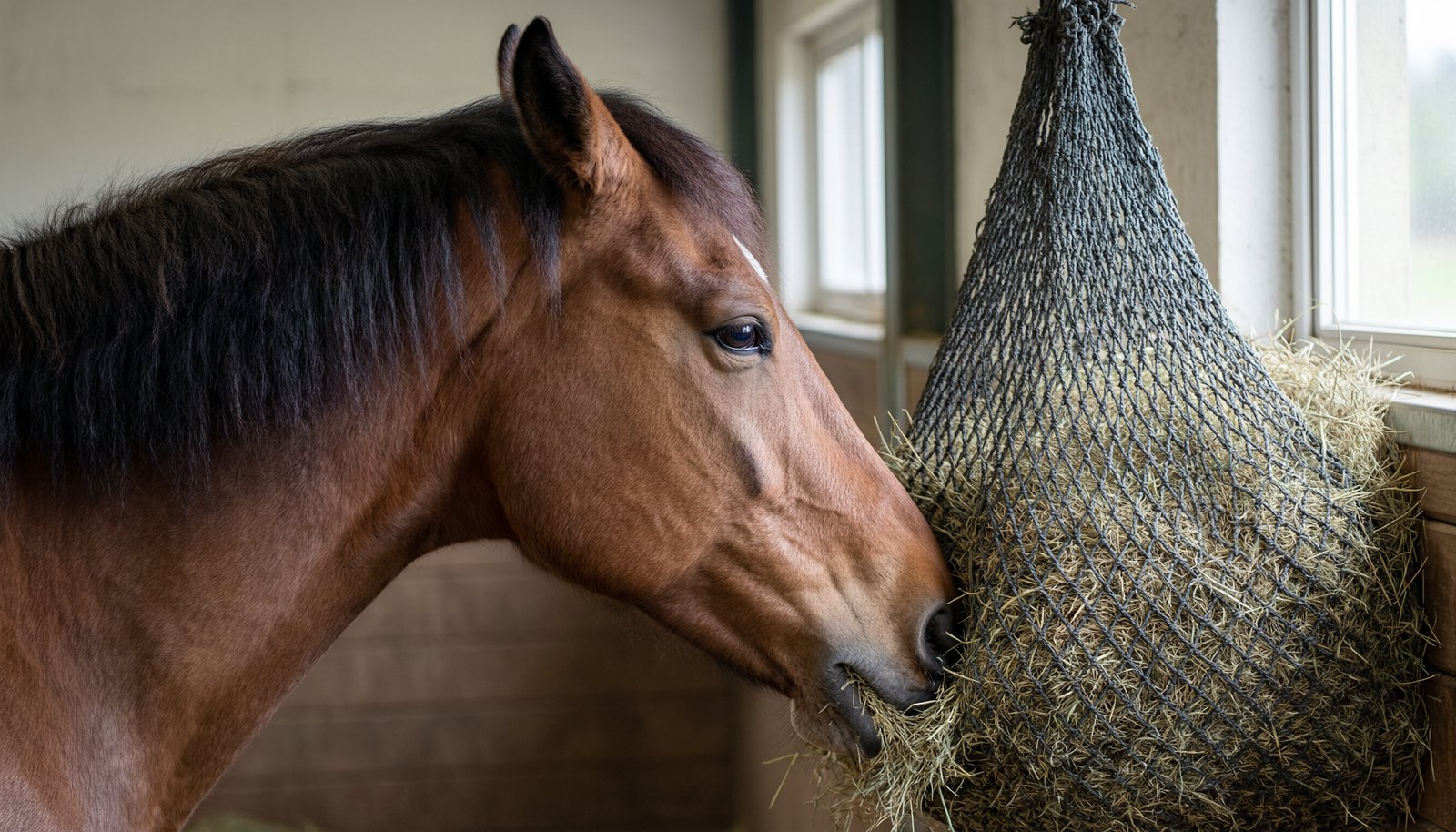
Practical habits start with preventing waste. Since hay is the largest dietary expense, use slow-feed nets to reduce the amount of hay trampled into the mud and wasted. This simple change can reduce hay consumption by 15% to 25% for a horse that eats too quickly. Next, learn to do basic grooming and minor hoof maintenance yourself. While a professional must do the actual trimming, knowing how to clean a hoof properly and identify early signs of thrush saves you from unnecessary emergency calls.
Another habit is building a relationship with a local feed supplier. Buying grain and hay in larger quantities twice a year often secures a volume discount, potentially saving you 10% compared to buying month-to-month. Always keep your tack clean and stored in a dry area. Leather that’s neglected will crack and become useless, forcing you to replace expensive items years earlier than necessary.
Finally, track every expense in a simple spreadsheet. Seeing where your money goes every month allows you to spot trends, such as rising supplement costs or frequent small veterinary charges that could be grouped together. If you find your budget is consistently tight, consider a part-lease arrangement where another rider pays a monthly fee to use your horse. This covers part of your board or feed costs while keeping the animal active.
How much do horses cost per month?
Monthly costs typically range from $400 to $2,000, depending on your location and the level of care provided. This assumes a standard boarding situation and average feed requirements. If you live in an area with high land costs, your board will be at the higher end of this range. Always ask potential barns for a breakdown of what is included in their monthly fee, as some charge extra for blanketing, holding for the farrier, or specialized feeding programs.
Is it cheaper to keep a horse at home?
Keeping a horse at home is often cheaper monthly, but it requires a high initial investment in fencing, a barn, and a manure management system. You save on boarder fees, but you must pay for your own electricity, water, and insurance. This is only cost-effective if you own the land and have the time to perform all daily chores yourself. If you don’t have the equipment to maintain pastures, you may find that the cost of hiring help negates the savings.
What happens if I can’t afford a horse?
If you can’t afford your horse, you must prioritize finding a new home or a lease arrangement immediately to protect the animal’s welfare. Ignoring financial strain leads to poor nutrition and missed veterinary care, which is a violation of basic animal welfare standards. Contact local breed rescues or professional trainers who can help you list the horse for sale or lease. Never wait until the animal is in poor health, as this makes it much harder to rehome them responsibly.
How long does a horse live?
A horse typically lives for 25 to 30 years with proper care and regular medical attention. This long lifespan means you must plan for the horse’s needs well into its senior years, when medical costs often increase significantly. You should account for potential dental care and joint supplements as the animal ages. Check your specific horse’s breed and health history, as some breeds are more prone to specific conditions that require extra care as they grow older.
Can I share the cost of a horse?
Yes, you can share the costs through a lease agreement or a partnership, which splits the monthly expenses between two or more people. This is a common way to manage the financial burden while ensuring the horse gets regular exercise. Ensure you have a written contract that clearly outlines who pays for what, including unexpected veterinary bills. Without a clear contract, disputes over who pays for which service are the most common reason these arrangements fail and cause stress for the owner.
Does the breed of the horse matter for cost?
Breed choice significantly impacts monthly maintenance, as some horses have specific dietary or health requirements. Researching common issues before purchasing helps you anticipate specialized veterinary costs. Understanding these breed-specific needs now will allow you to build a more accurate long-term budget for your future horse.
People afford, in short
Owning a horse is a significant commitment, but it doesn’t have to break the bank if you plan carefully. Start by visiting local stables to chat with experienced owners about their real-world costs. You’ll find that with patience and a bit of research, your dream of riding can become a reality.