
Training a horse is a blend of art, science, and deep communication. For centuries, humans and horses have worked in partnership, with training methods evolving as our understanding of equine behavior grows. Whether you’re preparing a horse for pleasure riding, competition, or work, the approach you take impacts not only their performance but also their trust and well-being.
In my experience, successful training is never about dominance or shortcuts, it’s about respect, consistency, and building a solid relationship from day one.
With dozens of methods touted as the “best,” it’s crucial to separate proven, humane techniques from outdated or harsh practices. The ideal approach is not a one-size-fits-all formula, but a set of principles tailored to each horse’s unique temperament, abilities, and background.
This comprehensive guide synthesizes expert advice, real-world examples, and the latest research to reveal the best way to train a horse, step by step, from groundwork to advanced cues.
Key Takeaways
- Effective horse training hinges on trust, consistency, and understanding equine psychology.
- Positive reinforcement yields better long-term results than force-based or punitive methods.
- Progressive desensitization and groundwork lay the foundation for safe, responsive riding.
- Customization is vital, each horse’s breed, age, and personality influence the ideal training approach.
- Ongoing assessment and patience ensure that learning is retained and the horse’s welfare is prioritized.

Credit: www.wikihow.com
Understanding Horse Behavior And Learning
The cornerstone of effective horse training is understanding how horses think, learn, and communicate. This knowledge shapes every interaction, from initial handling to advanced performance.
The Equine Mindset
Horses are prey animals, wired for flight rather than fight. Their survival instincts make them highly sensitive to their environment and to human body language. Recognizing signs of fear, anxiety, or curiosity helps trainers adapt their methods to encourage cooperation rather than resistance.
Key behavioral traits:
- Herd mentality: Horses find security in groups and look for a clear leader.
- Body language: Subtle cues, ear position, tail swishing, posture, signal their emotional state.
- Memory and association: Horses learn through repetition and remember both positive and negative experiences.
Learning Theories Applied To Horses
There are two primary learning theories relevant to horse training:
- Classical conditioning (Pavlovian): Horses associate a neutral stimulus (e.g., a cue) with a meaningful one (e.g., food or discomfort).
- Operant conditioning: Behavior is shaped by consequences, rewards or removal of pressure.
Positive reinforcement (adding a reward) and negative reinforcement (removing pressure upon correct response) are the most effective and humane tools for teaching new behaviors.
Avoiding Common Training Pitfalls
Many training failures stem from misunderstanding equine behavior. For example, punishing a horse for spooking can reinforce fear, while inconsistency in cues leads to confusion. Recognizing these pitfalls and staying patient, especially during setbacks, is essential.
Pro Tip: Always observe a horse’s reactions during training. If resistance increases, reassess your approach rather than escalating pressure.
Credit: formula707.com
Laying The Foundation: Groundwork And First Handling
Before a horse ever carries a rider, groundwork builds trust, respect, and foundational skills. This phase is critical for young or unhandled horses but also valuable for retraining older animals.
Establishing Trust And Respect
First interactions set the tone for the entire training process. Approaching the horse calmly, using consistent routines, and rewarding calm behavior foster mutual trust. Techniques such as join-up (Monty Roberts) or round pen work can help establish leadership without fear.
Key Groundwork Exercises
- Leading and Haltering: The horse should walk calmly beside the trainer, stopping and turning in sync.
- Yielding to Pressure: Teaching the horse to move away from gentle pressure on the halter or body part lays the groundwork for later cues.
- Desensitization: Exposing the horse to novel objects (flags, tarps) at their own pace reduces spookiness.
- Backing Up and Standing Still: Reinforces self-control and attentiveness.
Handling Young Vs. Mature Horses
- Young horses (foals, yearlings) have short attention spans and benefit from brief, positive sessions.
- Older horses may come with learned behaviors, good or bad, and require patience to retrain.
| Age Group | Recommended Session Length | Main Focus Areas |
|---|---|---|
| Foal/Yearling | 10-15 minutes | Basic handling, desensitization |
| 2-3 years | 15-30 minutes | Leading, groundwork, light lunging |
| Adult (4+ years) | 30-45 minutes | Advanced groundwork, under saddle prep |
Example: Groundwork Success Story
A 3-year-old Quarter Horse gelding, previously unhandled, showed significant progress after two weeks of daily 20-minute groundwork sessions. The horse went from pulling away and refusing the halter to calmly leading, standing tied, and accepting light touch all over his body.
Positive Reinforcement And Modern Training Techniques
The shift from dominance-based methods to positive reinforcement has revolutionized horse training. These techniques build confidence and encourage horses to seek out correct behaviors, reducing stress and increasing willingness.
Clicker Training: Science In Action
Clicker training uses a distinct sound (the click) to mark the exact moment a desired behavior occurs, followed by a reward. This method, rooted in operant conditioning, is widely used in zoos and by leading trainers.
Example: A horse learning to touch a target with its nose, each successful attempt is marked with a click, then rewarded with a treat. Over time, the horse eagerly offers the behavior, associating the cue with positive outcomes.
Shaping And Successive Approximations
Complex behaviors are taught by shaping, reinforcing small steps toward the goal. For example, teaching a horse to load into a trailer might start with rewarding a single step toward the ramp, gradually increasing expectations.
Avoiding Learned Helplessness
Force-based methods can result in learned helplessness, where horses stop responding altogether due to confusion or fear. Research published by the International Society for Equitation Science confirms that horses trained with positive reinforcement show lower stress levels and better retention of skills (ScienceDirect).
Common Tools And When To Use Them
- Target sticks: Guide horses to specific locations.
- Treats: Used as rewards; must be managed to avoid nipping.
- Clickers or marker words: Clarify timing of rewards.
Warning: Overusing treats or failing to phase out rewards can create dependency. Gradually shift to praise and scratches as the horse masters new skills.

Credit: www.equinebehaviourist.co.uk
Step-by-step Progression: From Groundwork To Riding
After mastering groundwork, the next phase introduces tack, rider weight, and under-saddle cues. Each step should be tailored to the horse’s readiness and comfort level.
Introducing Tack And Desensitization
- Saddle and Bridle Acclimation: Start by letting the horse see and smell the tack, then place it gently.
- Girth Tightening: Gradually increase pressure to avoid startling.
- First Steps with Tack: Walk the horse in-hand before mounting.
First Mounting And Rider Weight
Initial mounting should be calm and uneventful. Having an experienced handler hold the horse, and the rider mounting gently, helps prevent negative associations.
Key steps:
- Lean over the saddle before full mounting.
- Mount and dismount repeatedly until the horse is relaxed.
- Sit quietly for a few seconds at a time.
Teaching Basic Under-saddle Cues
- Start/Stop: Use voice, leg, and rein cues in combination.
- Turning: Teach by gently guiding the rein and applying leg pressure.
- Backing Up: Reinforce with light rein pressure and voice.
Early Rides: Keeping Sessions Short And Positive
Early rides should be:
- 10-20 minutes long
- Focused on walking and steering
- Ended on a positive note
Example: A novice rider working with a trainer successfully walked, halted, and turned a young horse in three 15-minute sessions, with the horse showing increasing confidence and relaxation.
Table: Progression Timeline For A Typical Riding Horse
| Training Phase | Average Duration | Key Milestones |
|---|---|---|
| Groundwork | 2-4 weeks | Leading, yielding, desensitization |
| Tack Acclimation | 1-2 weeks | Accepts saddle, bridle, girth |
| First Rides | 2-4 weeks | Walk, halt, turn, back up |
| Advanced Riding | 4-8 weeks | Transitions, bending, trotting/cantering |
Advanced Training: Specialization And Problem Solving
Once the basics are in place, training can be tailored to specific disciplines, such as dressage, jumping, or ranch work. At this stage, refinement and problem-solving are key.
Specializing For Discipline
- Dressage: Focuses on precision, collection, and responsiveness to subtle cues.
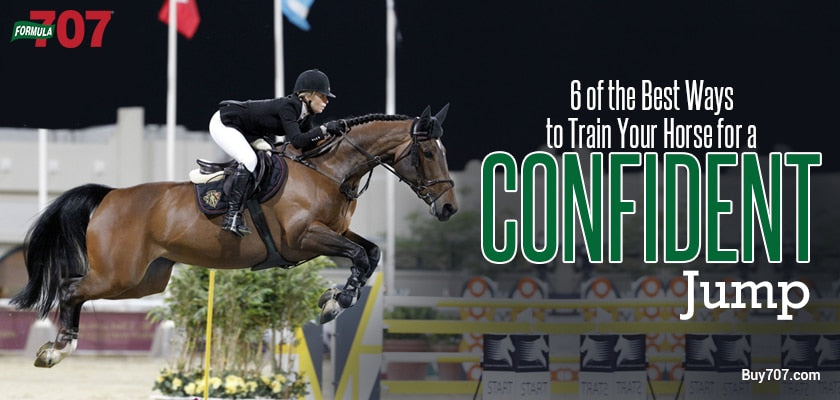
- Jumping: Emphasizes rhythm, confidence over fences, and adjustable stride.
- Western/Ranch Work: Requires agility, cow sense, and quick responses.
Each discipline has unique demands, but all build on the foundation of solid groundwork and clear communication.
Common Behavioral Challenges And Solutions
- Spooking/Shying: Gradual desensitization to scary objects, never forcing the horse.
- Bucking/Rearing: Rule out pain (consult a vet), revisit groundwork, identify triggers.
- Resistance to Aids: Check tack fit, clarify cues, use positive reinforcement for correct responses.
Retraining Problem Horses
Older horses with negative experiences may require rehabilitative training. Success hinges on patience, consistency, and sometimes professional help. The American Association of Professional Farriers recommends starting from scratch, rebuilding trust with groundwork and reintroducing each step gradually.
Example: Dressage Transformation
A 6-year-old Warmblood mare, initially tense and resistant under saddle, improved dramatically after switching to a positive reinforcement program. Within three months, she progressed from refusing contact to willingly offering collected trot and lateral movements.
Table: Comparing Common Horse Training Methods
| Method | Key Features | Pros | Cons |
|---|---|---|---|
| Natural Horsemanship | Emphasizes groundwork, communication, and empathy | Builds trust, adaptable to all horses | Requires time and patience |
| Traditional/Pressure-Release | Uses negative reinforcement (removal of pressure) | Clear boundaries, widely used | Can become aversive if overused |
| Positive Reinforcement | Rewards desired behaviors with treats or praise | Low stress, fosters enthusiasm | Can create food-seeking if not phased out |
| Force-Based/Coercive | Uses punishment or excessive pressure | Quick results in some cases | Risks fear, injury, and learned helplessness |
The Role Of Equipment And Environment
The tools and setting you use during training can influence a horse’s progress and safety. Choosing the right equipment and creating a low-stress environment are essential.
Selecting Appropriate Tack
- Saddles and Bridles: Must fit both horse and rider; ill-fitting tack causes discomfort and behavioral issues.
- Bits: Select the mildest bit that provides clear communication; some horses thrive bitless.
- Safety Gear: Helmets for riders, boots for horses during initial training.
Environmental Considerations
- Training Surface: Level, non-slip footing prevents injuries.
- Distraction Management: Early sessions in quiet areas, gradually introducing distractions as confidence grows.
- Fencing and Safety: Secure perimeters and remove hazards.
Example: Equipment-related Setback
A horse repeatedly bucked after saddling. Upon professional tack assessment, an ill-fitting saddle was identified as the culprit. After switching to a properly fitted saddle, training resumed smoothly.
Pro Tip:
Regularly check tack for wear and proper fit, especially as the horse’s body changes with age or conditioning.
Monitoring Progress And Adjusting The Training Plan
No two horses progress at the same rate. Tracking milestones and adapting your approach ensures the horse learns at a comfortable pace and retains new skills.
Setting Realistic Goals
Break down training into achievable steps, celebrating small wins. For example:
- Stand quietly for mounting
- Walk in a straight line
- Trot in a large circle
Recognizing Signs Of Progress (and Regression)
Positive indicators:
- Eager response to cues
- Relaxed posture and breathing
- Willingness to approach new tasks
Negative indicators:
- Pinning ears, tail swishing, biting
- Refusal or avoidance
- Signs of pain or discomfort
Adjusting For Setbacks
If a horse regresses, return to a previous step and reinforce the basics. Sometimes, physical issues (lameness, dental pain) hinder progress, consult a vet or equine professional when needed.
Example: Plateau And Breakthrough
A gelding plateaued at trotting under saddle, refusing to canter. By reviewing groundwork and rewarding incremental try, he advanced to relaxed, balanced canter transitions within two weeks.
Ethical Considerations And Welfare
Humane training is not just ethical, it results in safer, more reliable horses. The global equestrian community increasingly emphasizes welfare and evidence-based methods.
Recognizing Stress And Avoiding Burnout
- Session Length: Shorter, frequent sessions are more effective than long, taxing ones.
- Rest Days: Schedule time off to allow physical and mental recovery.
- Variety: Mixing up routines prevents boredom and anticipates real-world challenges.
The Importance Of Professional Guidance
Consulting experienced trainers and veterinarians ensures that your methods are safe and suited to the horse’s needs. The American Association of Equine Practitioners provides guidelines for humane handling and training (AAEP).
Legal And Cultural Standards
Some regions have laws regulating horse training and welfare, always comply with local standards. Participation in recognized training programs or clinics can provide valuable feedback and community support.
Warning:
Avoid trainers or methods that promise instant results or use excessive force. Quick fixes often mask deeper problems and can cause long-term harm.
Frequently Asked Questions
What Is The Ideal Age To Start Training A Horse?
While basic handling and desensitization can begin as early as a few weeks old, formal groundwork typically starts between 1-2 years. Backing (introducing a rider) is commonly done around 2. 5-3 years for most breeds, but this varies depending on the horse’s physical development.
Always consult a veterinarian before starting intensive training to ensure the horse’s joints and growth plates are ready.
How Do I Know If My Horse Is Stressed During Training?
Signs of stress include rapid breathing, pinned ears, tail swishing, excessive sweating, or refusal to participate. Some horses may also become withdrawn or “shut down. ” Monitoring your horse’s body language and adapting your approach at the first sign of distress is crucial for their welfare and learning.
Can I Use Positive Reinforcement With All Horses?
Most horses respond well to positive reinforcement, but some may initially be more food-motivated than others. It’s important to tailor rewards to the individual, some prefer scratches or verbal praise. If a horse becomes pushy around treats, work on manners and consider using non-food rewards as they progress.
How Often Should I Train My Horse For Optimal Results?
Consistency is key, but more is not always better. For most horses, 4-6 sessions per week of 20-45 minutes each yield steady progress. Very young or green horses benefit from shorter, more frequent sessions. Allowing regular rest days prevents mental and physical fatigue.
What Should I Do If My Horse Resists A Particular Training Step?
First, rule out physical discomfort by checking tack fit and consulting a vet if needed. If the issue is behavioral, break the step into smaller, more manageable pieces and reward incremental progress. Sometimes, returning to groundwork or switching up the routine helps the horse regain confidence and understanding.
Training a horse is a journey built on patience, respect, and a commitment to continuous learning. By focusing on communication, positive reinforcement, and adapting to each horse’s unique needs, you set the stage for a partnership rooted in trust and mutual success.
Whether your goal is a reliable trail companion or a competitive athlete, the best way to train a horse is always the one that puts their welfare first and celebrates each step forward.