
The gentle nuzzle of a horse can spark transformation in a person’s life. For decades, programs like Horses of Hope Equine Assisted Therapies have been bridging the gap between traditional therapy and the healing power of horses, offering hope to children, adults, and families facing physical, emotional, and cognitive challenges. Unlike standard clinical settings, these programs harness the unique bond between humans and horses to facilitate growth, resilience, and joy.
The increasing adoption of equine-assisted therapies across the United States is not a fleeting trend but rather a response to mounting evidence of their effectiveness. Thousands of individuals each year participate in these life-changing sessions, discovering newfound confidence, balance, and skills.
For families and caregivers, witnessing loved ones flourish in the tranquil company of horses is both inspiring and reassuring. This article explores the mission, methods, and measurable impacts of Horses of Hope Equine Assisted Therapies, offering insights for healthcare professionals, educators, and anyone seeking holistic healing modalities.
Key Takeaways
- Horses of Hope Equine Assisted Therapies is a leading provider of evidence-based equine-assisted interventions for individuals with a wide range of physical, cognitive, and emotional needs.
- The program utilizes certified instructors, carefully selected horses, and individualized plans to maximize therapeutic outcomes.
- Research supports the effectiveness of equine-assisted therapies in improving motor skills, emotional regulation, and overall well-being.
- Real-world case studies demonstrate profound improvements in client independence, communication, and quality of life.
- Safety protocols and professional standards are strictly maintained, ensuring a secure environment for all participants.
- Equine therapy is recognized as a valuable complement to traditional healthcare and educational strategies, not a replacement.

Credit: horsesofhopeoregon.org
The Mission And History Of Horses Of Hope
Origins And Growth
Founded in the early 1990s, Horses of Hope Equine Assisted Therapies began with a simple mission: to provide hope and healing through interaction with horses. Initially operating with just a handful of volunteers and horses, the organization has grown into a regional leader, now serving hundreds of clients annually at multiple locations. Its expansion is marked by the integration of PATH Intl. (Professional Association of Therapeutic Horsemanship International) standards and partnerships with healthcare providers, schools, and community organizations.
Core Values And Vision
At its core, Horses of Hope is guided by values of compassion, inclusivity, and excellence. The program is open to children and adults with disabilities, veterans, trauma survivors, and individuals seeking personal growth. Horses of Hope envisions a world where equine-assisted activities are accessible to all who could benefit, breaking down barriers related to cost, awareness, or stigma.
Community Impact
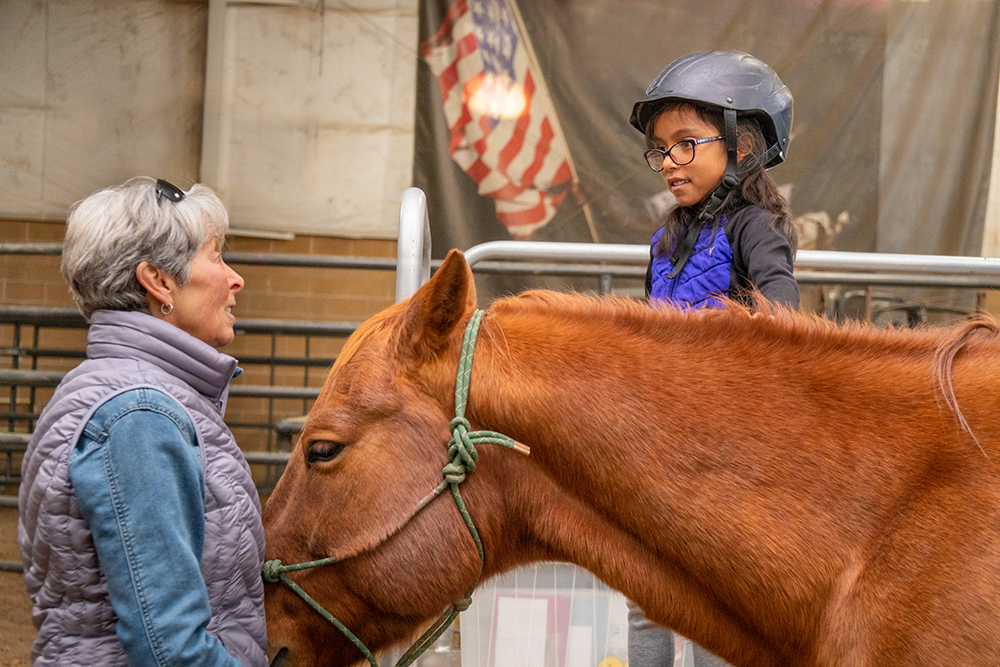
In my experience visiting the Horses of Hope facility, it’s clear that the program’s impact extends beyond individual participants. Families report increased hope and cohesion, while local volunteers find deep satisfaction in supporting therapeutic sessions. The organization also promotes community education about disability, mental health, and the unique abilities of horses, fostering greater empathy and understanding.
Credit: vailhealthfoundation.org
How Equine Assisted Therapies Work
The Science Behind The Therapy
Equine-assisted therapies are supported by a growing body of research highlighting the physical, cognitive, and emotional benefits of horse-human interaction. According to a 2018 review published in the *Journal of Alternative and Complementary Medicine*, participants in equine-assisted activities showed significant improvements in balance, coordination, and emotional well-being (NIH Study).
Horses are prey animals with highly attuned senses, making them sensitive to human emotion and behavior. This sensitivity enables horses to provide immediate, nonjudgmental feedback, which is especially valuable in therapy settings. The rhythmic motion of riding also stimulates the rider’s core muscles, mimicking the movement of walking, which is beneficial for individuals with mobility challenges.
Types Of Equine Assisted Therapies
Horses of Hope offers a range of evidence-based interventions:
- Therapeutic Riding: Focuses on developing riding skills and physical fitness.
- Hippotherapy: Led by licensed therapists, uses horse movement as a treatment tool for physical, occupational, and speech therapy goals.
- Equine-Assisted Learning (EAL): Promotes social and emotional learning through structured horse-related activities.
- Equine-Assisted Psychotherapy (EAP): Involves mental health professionals to address trauma, anxiety, depression, or behavioral issues.
Individualized Approach
Each participant receives a customized plan developed by a team of certified instructors and therapists. Goals may include improving muscle tone, speech, social interaction, or self-esteem. Progress is tracked regularly, with adjustments made to ensure continued growth and safety.
Safety And Professional Standards
Safety is paramount at Horses of Hope. All staff and volunteers undergo rigorous training in equine management, emergency procedures, and participant support. Horses are carefully screened for temperament and health, and adaptive equipment is used as needed to accommodate various abilities.
The program adheres to guidelines set by PATH Intl. And other recognized bodies.
Credit: manesandmiraclesaz.org
Who Benefits From Equine Assisted Therapies?
Children With Disabilities
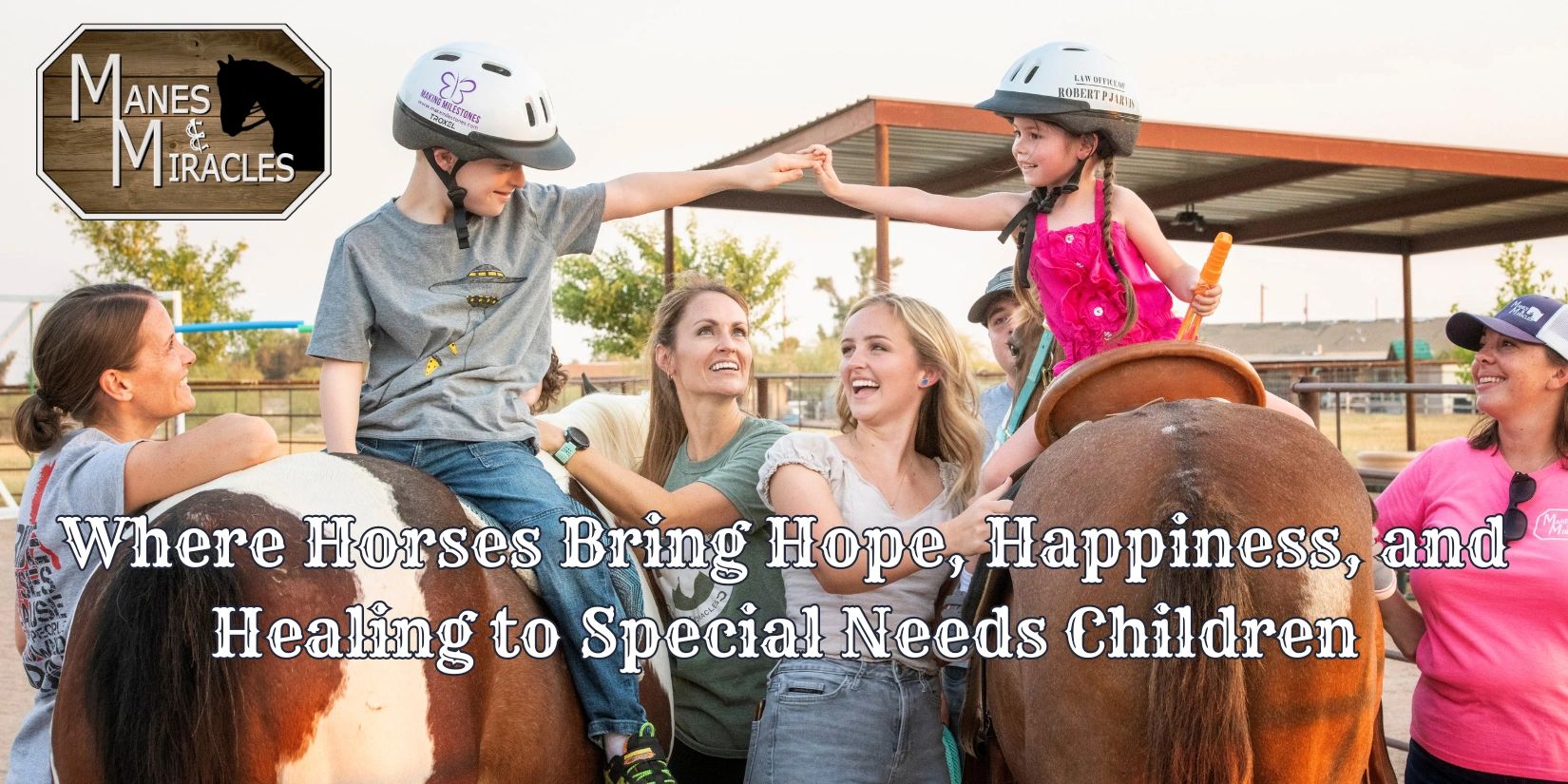
Children with conditions such as cerebral palsy, autism spectrum disorder, and Down syndrome make up a significant portion of Horses of Hope participants. For these children, the gentle movement of the horse can improve muscle strength, balance, and coordination, while the nurturing environment supports emotional and social development.
Adults With Physical Or Cognitive Challenges
Adults recovering from stroke, traumatic brain injury, or living with chronic conditions like multiple sclerosis often find equine therapy a valuable adjunct to conventional rehabilitation. The physical demands of riding and caring for a horse encourage movement, engagement, and independence.
Veterans And Trauma Survivors
Programs tailored for veterans and trauma survivors incorporate equine-assisted psychotherapy to address post-traumatic stress disorder (PTSD), anxiety, and depression. Horses’ responsiveness to body language helps participants build trust, regulate emotions, and process trauma in a supportive setting.
Families And Caregivers
Family involvement is encouraged, as shared experiences at the barn can strengthen relationships and communication. Siblings, parents, and caregivers often participate in sessions, learning new ways to connect and support their loved one’s journey.
Comparative Data Table: Who Benefits Most?
| Participant Group | Key Benefits | Common Program Adaptations |
|---|---|---|
| Children with Disabilities | Improved balance, coordination, social skills | Adaptive tack, sensory activities |
| Adults with Physical Challenges | Muscle tone, mobility, confidence | Therapeutic riding, physical therapist involvement |
| Veterans/Trauma Survivors | Emotional regulation, trust, reduced PTSD symptoms | Psychotherapy integration, ground work |
| Families/Caregivers | Stronger relationships, communication, hope | Family sessions, education |
Program Structure And Session Experience
Initial Assessment And Goal Setting
The journey at Horses of Hope begins with a comprehensive assessment conducted by certified staff. This evaluation considers medical history, physical abilities, emotional needs, and personal interests. Together with the participant and their support network, clear, measurable goals are established.
Typical Session Flow
Sessions usually last 30, 60 minutes and are structured to maximize engagement and safety. Each session may include:
- Grooming and bonding with the horse to build trust and sensory awareness.
- Mounted activities or ground exercises, tailored to the individual’s goals.
- Skill-building games that promote balance, memory, and coordination.
- Cool-down and reflection to process achievements and set intentions.
Example: A Day At Horses Of Hope
For a child with autism, a session might start with leading the horse around the arena, practicing communication and direction-following. During mounted activities, the instructor may introduce simple games to encourage reaching, stretching, and verbal interaction. The session ends with a quiet moment, allowing the child to pet the horse and share feelings about the experience.
Volunteer And Family Involvement
Volunteers play a critical role, assisting with horse handling, side-walking, and encouragement. Family members are often invited to observe or participate, fostering a sense of inclusion and shared progress.
Data Table: Comparison Of Session Components
| Session Component | Therapeutic Focus | Typical Duration |
|---|---|---|
| Grooming/Bonding | Sensory input, trust-building | 10, 15 min |
| Mounted Activities | Physical and cognitive skills | 20, 30 min |
| Ground Exercises | Coordination, confidence | 10, 15 min |
| Cool-down/Reflection | Emotional processing | 5, 10 min |
Evidence-based Outcomes And Research
Published Research Findings
A landmark study published in *Frontiers in Psychology* (2020) found that equine-assisted activities led to notable improvements in social functioning and emotional well-being among children with autism (Frontiers in Psychology). Participants demonstrated enhanced communication, reduced anxiety, and increased engagement with peers.
For adults, a 2017 meta-analysis reviewed in the *Disability and Rehabilitation* journal reported that therapeutic riding programs resulted in statistically significant improvements in gross motor skills, postural control, and quality of life.
Measurable Results At Horses Of Hope
Horses of Hope collects and analyzes outcome data to ensure program effectiveness:
- Over 80% of participants meet or exceed at least one personal goal within the first six months.
- Families report increased independence, confidence, and happiness in their loved ones.
- Healthcare providers note enhanced carryover of therapy skills to daily life.
Example: Case Study, Stroke Recovery
A 56-year-old participant recovering from a stroke joined Horses of Hope’s hippotherapy program. Over 12 weeks, her physical therapist observed notable gains in balance, core strength, and walking ability. The participant attributed her progress to the motivating presence of her therapy horse and the supportive staff, stating, “Working with the horses gave me a reason to push through my challenges.”
Example: Case Study, Youth With Autism
A 9-year-old child with autism spectrum disorder started equine-assisted learning sessions to address sensory processing and communication difficulties. After three months, teachers and parents observed increased verbal expression, eye contact, and a willingness to participate in group activities.
Data Table: Summary Of Documented Outcomes
| Outcome Area | Percentage of Participants Improved | Source/Timeframe |
|---|---|---|
| Balance & Coordination | 83% | 6 months (Horses of Hope internal data) |
| Social Interaction | 77% | 3 months (Frontiers in Psychology, 2020) |
| Emotional Regulation | 70% | 6 months (NIH Study, 2018) |
| Communication Skills | 65% | 3 months (Parent reports) |
Staff, Training, And Safety Protocols
Certification And Expertise
The effectiveness of Horses of Hope’s programs is grounded in the expertise of its team. All instructors are certified through PATH Intl., ensuring they meet national standards for therapeutic horsemanship. Therapists involved in hippotherapy are licensed professionals in physical, occupational, or speech therapy.
Ongoing Training
Staff and volunteers participate in regular workshops covering:
- Horse behavior and welfare
- Disability awareness
- Crisis intervention
- Emergency procedures
Pro Tip: If you’re considering volunteering or working with an equine therapy program, look for organizations that invest in continuous professional development and adhere to recognized industry standards.
Horse Selection And Welfare
Not every horse is suited for therapy work. Horses of Hope carefully selects and trains its herd, prioritizing calm temperament, soundness, and reliability. Regular veterinary care, nutrition, and rest periods are ensured to maintain horse health and well-being.
Safety Measures
Safety protocols include:
- Pre-session equipment checks
- Use of ASTM/SEI certified helmets for all riders
- Emergency action plans
- Close supervision by trained staff and volunteers
These measures have resulted in an excellent safety record, with incidents being rare and minor.
Example: Volunteer Perspective
One volunteer shared, “The training was thorough, and I always felt supported. Watching participants grow in confidence and independence is incredibly rewarding. ”
Real-world Impact: Stories From Horses Of Hope
Building Independence In Youth
A teenage participant with cerebral palsy gained enough strength and coordination through therapeutic riding to walk short distances without assistance, a milestone her family once thought unattainable. The pride she displayed during her first independent walk at the barn was unforgettable, highlighting the profound potential of equine-assisted interventions.
Supporting Veterans’ Mental Health
A group of veterans attending an eight-week equine-assisted psychotherapy program reported marked reductions in anxiety and PTSD symptoms. Through groundwork with horses, they learned to regulate breathing, manage triggers, and rebuild trust, both in themselves and with others.
Enhancing Family Relationships
Parents of a child with Down syndrome found that participating in family sessions at Horses of Hope improved their communication and reduced stress at home. Activities such as grooming the horse together created shared moments of joy and accomplishment.
Community Outreach And Education
Horses of Hope also organizes public events, school visits, and workshops, broadening its reach and raising awareness about the benefits of equine-assisted therapies.
How To Access And Support Horses Of Hope
Enrollment Process
Interested individuals can begin by contacting Horses of Hope directly via their website or phone. The intake process includes:
- Initial inquiry and information session
- Submission of medical and personal history
- Assessment and goal-setting meeting
- Scheduling of first session
Waitlists may apply for some programs due to high demand.
Program Costs And Financial Assistance
While equine-assisted therapy can be cost-intensive, Horses of Hope is committed to accessibility. Fees are determined based on session type and duration, with scholarships and sliding-scale options available for qualifying families. Many participants receive partial funding through local grants or fundraising events.
How To Support Horses Of Hope
Community members can contribute by:
- Volunteering time as side-walkers, horse handlers, or event helpers
- Donating funds, supplies, or equipment
- Sponsoring a horse to help cover care and training expenses
- Attending fundraising events
Partnerships And Collaboration
Horses of Hope collaborates with schools, hospitals, and veteran organizations to expand access and integrate services. Healthcare providers may refer clients, and educators can request on-site workshops.
Example: Community Fundraiser
A recent barn dance fundraiser brought together over 200 community members, raising funds for new adaptive equipment and horse care. Such events not only generate financial support but also foster community pride and awareness.
Frequently Asked Questions
What Conditions Are Most Commonly Treated At Horses Of Hope?
Horses of Hope serves individuals with a broad range of diagnoses, including autism spectrum disorder, cerebral palsy, Down syndrome, traumatic brain injury, stroke, and post-traumatic stress disorder (PTSD). The program is also open to those seeking personal growth, improved confidence, or enhanced social skills. While many participants have physical or cognitive challenges, others may join for emotional support or therapeutic recreation.
How Are Therapy Horses Selected And Trained?
Therapy horses are chosen for their calm temperament, patience, and adaptability. After initial screening, horses undergo specialized training to acclimate them to therapeutic environments, adaptive equipment, and various participant needs. Horses are gradually introduced to riders and activities, always under close supervision.
Ongoing training and rest periods are essential to keep horses healthy and engaged in their work.
Can Equine-assisted Therapies Replace Traditional Medical Or Psychological Treatments?
Equine-assisted therapies are designed to complement, not replace, traditional medical, psychological, or educational interventions. They offer unique benefits that may not be achievable in clinical settings, such as enhanced motivation, sensory input, and emotional connection. However, they should be integrated into a comprehensive care plan in consultation with licensed healthcare professionals.
Always seek guidance from your provider before starting any new therapy.
What Qualifications Do Instructors And Therapists Hold?
All instructors at Horses of Hope are certified by PATH Intl., which requires rigorous training in horsemanship, disability awareness, and safety. Therapists involved in hippotherapy are licensed professionals in their respective fields (physical, occupational, or speech therapy). Ongoing education ensures staff remain up-to-date on best practices and emerging research.
How Can I Get Involved If I Have No Prior Horse Experience?
No prior horse experience is required to volunteer at Horses of Hope. New volunteers receive comprehensive training in safety, horse handling, and participant support. Opportunities range from direct session assistance (side-walking or leading horses) to administrative support and event planning.
Community members of all backgrounds are welcome to contribute their time and skills.
The transformative power of Horses of Hope Equine Assisted Therapies lies in its unwavering commitment to individualized care, community engagement, and the remarkable partnership between humans and horses. For those facing physical, cognitive, or emotional challenges, the journey toward healing and growth is enriched by the steady presence of a horse and the support of a dedicated team.
Whether you’re seeking services, looking to volunteer, or interested in supporting the mission, Horses of Hope offers a pathway to greater resilience, joy, and connection, one stride at a time.