
A horse’s well-being can change in an instant. A slip in the pasture, a sudden colic episode, or a cut on a trail ride can quickly escalate if not addressed promptly. For equestrians, trainers, and stable owners, being prepared is more than a matter of convenience, it’s a responsibility. A comprehensive horse first aid kit is the cornerstone of equine emergency preparedness, ensuring that minor injuries don’t become major crises and that you can stabilize your horse until a veterinarian arrives.
Despite advances in equine medicine, horses remain prone to accidents and illness, especially in environments with unpredictable terrain, weather, and social dynamics. According to the American Association of Equine Practitioners, immediate first-aid intervention can significantly improve outcomes in cases of wounds, colic, and eye injuries.
Having the right supplies, clean, organized, and accessible, can mean the difference between a swift recovery and a prolonged ordeal. In this article, we’ll cover everything you need to know to assemble, maintain, and confidently use a horse first aid kit.
Key Takeaways
- A comprehensive horse first aid kit is essential for immediate response to equine injuries and emergencies.
- Kits should include wound care, bandaging, medication, diagnostic, and emergency tools, with items tailored to your horse’s environment and activities.
- Proper organization, regular checks, and knowing how to use each item are as important as the supplies themselves.
- Real-world examples show that preparation can prevent complications and reduce veterinary costs.
- Always consult a veterinarian for diagnosis and treatment, first aid is for stabilization, not substitution.
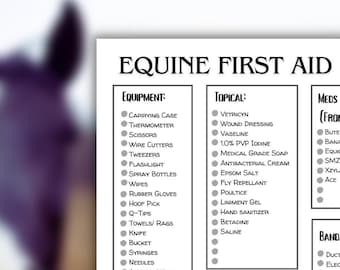
Credit: www.etsy.com
Why Every Horse Owner Needs A First Aid Kit
Equine first aid kits aren’t just for large barns or professional trainers; they’re vital for anyone responsible for a horse’s welfare. Horses are accident-prone by nature, thanks to their size, curiosity, and herd dynamics. From sharp objects in the pasture to unforeseen weather changes, risks are ever-present. According to the American Horse Council, nearly 20% of horse-related emergency calls involve preventable injuries that could have been managed or stabilized with proper first aid.
Immediate access to first aid supplies means:
- Reducing infection risk by quickly cleaning and dressing wounds
- Managing colic symptoms before the veterinarian arrives
- Preventing further injury through immobilization or containment
- Increasing survival rates in severe emergencies
Pro Tip: Store your kit in a waterproof, portable container and ensure everyone in your barn knows its location.
Real-world Example: Quick Action Saves A Show Horse
At a regional dressage event, a horse sustained a deep laceration after catching its leg on a fence. The owner’s well-equipped first aid kit allowed immediate cleaning, pressure application, and bandaging. Veterinary follow-up confirmed that the prompt response prevented infection and tissue damage, allowing the horse to return to competition weeks sooner than expected.
Essential Categories Of Horse First Aid Supplies
A robust horse first aid kit should be divided into clearly organized categories. This structure ensures that in a stressful moment, you can find exactly what you need, fast.
Wound Care And Disinfection
Horses are notorious for cuts, scrapes, and puncture wounds. Immediate and thorough wound care reduces infection risk and speeds healing.
Key Items:
- Sterile saline solution for wound irrigation
- Antiseptic solution (e.g., chlorhexidine or povidone-iodine)
- Antibiotic ointment (consult your veterinarian for recommendations)
- Gauze pads and rolls (various sizes)
- Non-stick wound dressings
- Cotton wool or cotton padding
Bandaging And Immobilization
Proper bandaging controls bleeding, supports injuries, and keeps wounds clean. Knowing how to apply a stable bandage or support wrap is crucial.
Key Items:
- Vet wrap/cohesive bandages
- Adhesive tape
- Elastic wraps
- Leg quilts or stable bandages
- Scissors (bandage scissors preferred)
- Splints or rigid supports (for limb injuries)
Medications And Topical Treatments
While most medications should be administered by a veterinarian, some over-the-counter products are safe for owner use. Never give any medication without proper guidance.
Key Items:
- Electrolyte paste (for dehydration or heat stress)
- Thermometer (digital rectal thermometer for horses)
- Analgesic gel (e.g., liniment for muscle soreness)
- Fly repellant ointment (for wound protection)
- Zinc oxide cream (for sunburn or minor skin irritation)
- Saline eye wash
Emergency And Diagnostic Tools
These items help you assess the severity of an injury or illness and provide the best information when consulting a veterinarian.
Key Items:
- Stethoscope (for heart and gut sounds)
- Digital thermometer
- Gloves (nitrile or latex)
- Flashlight (with extra batteries)
- Tweezers and forceps
- Hoof pick (for removing debris)
Supportive Equipment
Comfort and safety tools help you manage the horse during treatment.
Key Items:
- Towels and clean cloths
- Muzzle (if the horse is in pain or panic)
- Lead rope and halter
- Blanket or sheet (for shock or weather changes)
- Emergency contact list (veterinarian, farrier, owner)
Detailed Horse First Aid Kit Supplies List
Building on the categories above, here’s a thorough, itemized list for a barn or trailer-ready kit. Each supply plays a unique role, and together they form a system for versatile emergency management.
Comprehensive Supplies Table
| Category | Essential Items | Purpose/Notes |
|---|---|---|
| Wound Care | Sterile saline, antiseptic solution, gauze, non-stick pads, cotton wool | Clean, disinfect, and protect wounds |
| Bandaging | Vet wrap, adhesive tape, elastic wraps, leg quilts, scissors, splints | Immobilization, pressure, and support |
| Medication | Electrolyte paste, analgesic gel, fly ointment, zinc cream, eye wash | Symptom relief, minor conditions |
| Diagnostic Tools | Stethoscope, thermometer, gloves, flashlight, tweezers, hoof pick | Assessment, examination, safe handling |
| Supportive Equipment | Towels, muzzle, halter, lead rope, blanket, contact list | Horse comfort, safety, and logistics |
Optional Additions
Depending on your location, horse’s medical history, and activities, you might consider:
- Emergency shoe removal kit
- Thermal blanket (for cold climates)
- Portable water container
- Antihistamine cream (for insect stings)
Warning: Always consult your veterinarian before adding or administering any medication.
Example: Trail Riding Emergency
When a rider in Colorado encountered a cactus injury on a remote trail, her kit’s tweezers and saline solution enabled her to remove spines and cleanse the wound. The horse remained comfortable until reaching the vet, who praised the rider’s preparedness.
Credit: www.etsy.com
Must-have Items Explained
Let’s break down why each core supply matters, how to use it, and common mistakes to avoid.
Sterile Saline Solution
Purpose: Safely irrigates wounds, removing dirt and bacteria.
How to Use: Pour directly from the bottle or use a syringe for controlled pressure. Replace after opening to maintain sterility.
Antiseptic Solution
Purpose: Disinfects wounds before bandaging.
How to Use: Dilute as directed; apply with gauze. Avoid using hydrogen peroxide or alcohol, which can damage healthy tissue.
Vet Wrap And Bandaging Materials
Purpose: Secures dressings, provides compression, and supports injured limbs.
How to Use: Wrap snugly but not tightly, check circulation below the bandage. Always use padding underneath cohesive bandages.
Thermometer
Purpose: Monitors core body temperature, a key indicator during illness or heat stress.
How to Use: Use a digital rectal thermometer, lubricate before insertion, and record temperature for the vet.
Stethoscope
Purpose: Assesses gut sounds, heart rate, and breathing.
How to Use: Place on the lower belly for gut sounds; normal rates are 8, 12 gut sounds per minute.
Scissors
Purpose: Cuts bandages and tape without injuring the horse.
How to Use: Choose blunt-tip or bandage scissors for safety, and clean after each use.
Pro Tip: Label scissors for medical use only to prevent contamination.
Analgesic Gel Or Liniment
Purpose: Provides relief for muscle soreness or mild swelling.
How to Use: Apply sparingly and only on unbroken skin. Test a small area first for allergic reactions.
Fly Repellant Ointment
Purpose: Protects wounds from flies, which can cause infection.
How to Use: Apply around the wound, not directly on open tissue.
Hoof Pick
Purpose: Removes debris, stones, or foreign objects from hooves.
How to Use: Gently clean from heel to toe, being cautious near sensitive areas.
Muzzle
Purpose: Prevents biting or self-injury during treatment.
How to Use: Fit securely but not restrictively, and remove as soon as possible.
Emergency Contact List
Purpose: Ensures anyone can call for help without delay.
How to Use: Include numbers for your veterinarian, farrier, horse’s owner (if not you), and local animal hospital.
Organizing And Storing Your Horse First Aid Kit
A first aid kit is only as good as its accessibility and condition. Organization and maintenance are critical to effective emergency response.
Choosing The Right Container
Opt for a waterproof, durable box with a secure lid, think a heavy-duty plastic tackle box, tool chest, or specialized medical case. For travel, a portable soft-sided bag works well.
Key Features:
- Multiple compartments for easy sorting
- Labeling for quick identification
- Handles for portability
Location Matters
Keep one main kit in the barn and a smaller, travel-sized version in your trailer or tack box. Ensure it’s:
- Out of direct sunlight
- Away from rodents and moisture
- Clearly marked and visible
Inventory And Expiry Management
Set a reminder to check your kit every 3, 6 months:
- Replace expired medications and ointments
- Restock used or missing items
- Clean tools and container
Example: One barn manager discovered expired saline and out-of-date antibiotic ointment during a quarterly check, reinforcing the value of routine inspections.
How To Use A Horse First Aid Kit: Step-by-step Guidance
Having supplies is only half the battle; knowing how and when to use them is crucial for horse safety.
Basic First Aid Protocol
- Assess the Situation
- Ensure your own safety first.
- Calm and secure the horse using a halter and lead rope.
- Call the Veterinarian
- Provide clear, concise information: Location, nature of injury, horse’s vital signs.
- Control Bleeding
- Apply direct pressure with clean gauze or towel.
- Elevate the limb if possible.
- Clean the Wound
- Flush with sterile saline.
- Remove visible dirt or debris with tweezers.
- Bandage as Needed
- Apply antiseptic, non-stick pad, then wrap with gauze and vet wrap.
- Avoid wrapping too tightly.
- Monitor Vital Signs
- Record temperature, heart rate, and gut sounds for the vet.
- Keep the Horse Calm
- Use a blanket for shock, keep the area quiet, and limit movement.
When Not To Intervene
- Do not administer injectable medications unless specifically trained and authorized.
- Do not attempt to suture or close wounds, leave this to the veterinarian.
- Avoid giving painkillers before consulting a vet, as they may mask symptoms.
Pro Tip: Practice Makes Perfect
Hold regular first aid drills with your barn team. Practicing bandaging techniques, handling emergencies, and using diagnostic tools ensures everyone is confident during a real crisis.
Real-world Case Studies: The Impact Of Preparation
Case Study 1: Colic Management On A Hot Day
A horse at a summer camp showed classic colic symptoms: pawing, rolling, and sweating. The staff used their kit’s stethoscope to monitor gut sounds, recorded a mild fever with the thermometer, and withheld food and water while waiting for the vet. The veterinarian credited the staff’s quick action and detailed reporting with preventing a life-threatening impaction.
Case Study 2: Eye Injury In The Field
A mare was found with a swollen, weeping eye. The owner used gloves, gently rinsed the eye with saline, and applied a cold compress from the kit. The vet praised the immediate care, which reduced swelling and minimized permanent damage.
Case Study 3: Lameness On The Trail
During a group ride, a gelding began limping after stepping on a sharp stone. The rider used the kit’s hoof pick and tweezers to remove the object, cleaned the area, and wrapped the hoof for protection. The horse walked comfortably to the trailer and received a full veterinary check that afternoon.
Comparison: Diy Vs. Pre-assembled Horse First Aid Kits
Many tack stores and equestrian suppliers offer pre-assembled kits, but are they as effective as a DIY approach? Here’s a comparison to help you decide.
| Aspect | DIY Kit | Pre-Assembled Kit |
|---|---|---|
| Customization | Fully customizable to your horse’s needs | Standardized, may lack specific items |
| Cost | Potentially higher (quality control) | Often cheaper, but variable quality |
| Quality Control | Choose brands and expiry dates yourself | May contain generic or short-dated items |
| Convenience | Requires research and shopping | Ready to use, minimal setup |
| Education | Learn about each item as you build | May not know how to use all items |
Pro Tip: Even if you buy a pre-assembled kit, supplement it with personalized items and ensure you know how to use each component.
Tips For Keeping Your Kit Effective
A first aid kit is a living resource, keeping it effective requires ongoing attention.
Regular Training
Schedule annual or semi-annual first aid workshops for everyone who handles your horse. Many local veterinary clinics and equestrian organizations offer hands-on training.
Upgrading With Experience
As your horse ages or develops new health issues, adjust your kit accordingly. For example, a horse prone to allergies may need antihistamines (veterinarian-approved).
Keeping Records
Store a first aid logbook in your kit to track injuries, treatments, and supply usage. This record can help spot patterns, inform your veterinarian, and improve future preparedness.
Collaborate With Your Veterinarian
Ask your veterinarian to review your kit annually. They may suggest region-specific supplies or alert you to new products or protocols.
Example: In my experience as a barn manager, a veterinarian’s recommendation to add a digital thermometer and electrolyte paste made a critical difference during a summer heatwave.
Common Mistakes To Avoid
Even well-meaning horse owners can make errors that compromise first aid effectiveness.
Using Expired Products
Medications and ointments lose potency over time. Always check expiration dates and replace as needed.
Poor Bandaging Technique
Improperly applied bandages can cause pressure sores or restrict blood flow. Practice on a healthy horse and seek guidance from professionals.
Over-reliance On First Aid
First aid kits are for stabilization, not complete treatment. Always contact a veterinarian for serious injuries or illness.
Inadequate Preparation
Don’t wait until an emergency to assemble your kit or learn how to use it. Preparation is the key to calm, effective action.
Additional Resources And Continuing Education
Staying informed is essential in equine care. The following resources offer up-to-date information on first aid, emergency protocols, and horse health:
- American Association of Equine Practitioners (AAEP): Equine First Aid Kit
- Horse & Hound: Horse First Aid Kit Guide
Consider enrolling in an equine first aid certification course or attending workshops through local horse clubs or veterinary clinics.
Pro Tip: Bookmark reputable online resources for quick reference during emergencies.
Frequently Asked Questions
What Are The Most Important Items To Always Have In A Horse First Aid Kit?
Beyond the basics of wound care and bandaging, always include a thermometer, stethoscope, gloves, and emergency contact list. These tools allow you to assess your horse’s condition and communicate effectively with your veterinarian.
How Often Should I Replace Items In My Horse First Aid Kit?
Check your kit at least every six months. Replace expired medications, ointments, and any used or contaminated supplies. Weather and storage conditions can affect shelf life, so inspect items for signs of deterioration.
Can I Use Human First Aid Supplies For My Horse?
Some human supplies, like sterile gauze, saline, and bandage scissors, are suitable for horses. However, equine-specific products are designed for larger wounds and greater absorbency. Never give human medications to horses without veterinary approval.
How Do I Handle A Horse Emergency If I’m Alone?
Stay calm, secure the horse, and call your veterinarian immediately. If safe, begin basic first aid, controlling bleeding, cleaning wounds, and monitoring vital signs. If possible, alert a neighbor or nearby horse owner for assistance.
Are There Legal Requirements For Horse First Aid Kits At Events Or In Public Stables?
Requirements vary by region and event. Many equestrian competitions mandate on-site first aid kits and emergency plans. Public stables may have additional rules for kit contents and accessibility, check with local authorities and event organizers for specifics.
A well-stocked and properly maintained horse first aid kit is an indispensable tool for every horse owner, rider, or barn manager. It represents not only a commitment to your horse’s health but also peace of mind in the face of uncertainty.
By preparing thoughtfully, keeping your kit up to date, and learning to use each item, you empower yourself to respond confidently and effectively, giving your horse the best chance for a safe and swift recovery.