
Can You Eat Horse Chestnuts?
Many people see horse chestnuts in parks or gardens, especially in autumn. Their shiny brown seeds look like regular chestnuts, and the trees are beautiful. But is it safe to eat horse chestnuts? If you’re curious, or want to avoid a mistake, this guide will help. We’ll explore their safety, nutritional facts, how to identify them, and why they aren’t used in food. You’ll also learn common confusion with edible chestnuts, risks, and what to do if you or your pet accidentally eats them.
What Are Horse Chestnuts?
Horse chestnuts come from the Aesculus hippocastanum tree. This tree is native to Southeastern Europe, but it grows widely in North America, Asia, and other parts of Europe. Horse chestnut trees are tall, often reaching up to 100 feet. They have large, palmate leaves and produce clusters of white flowers in spring.
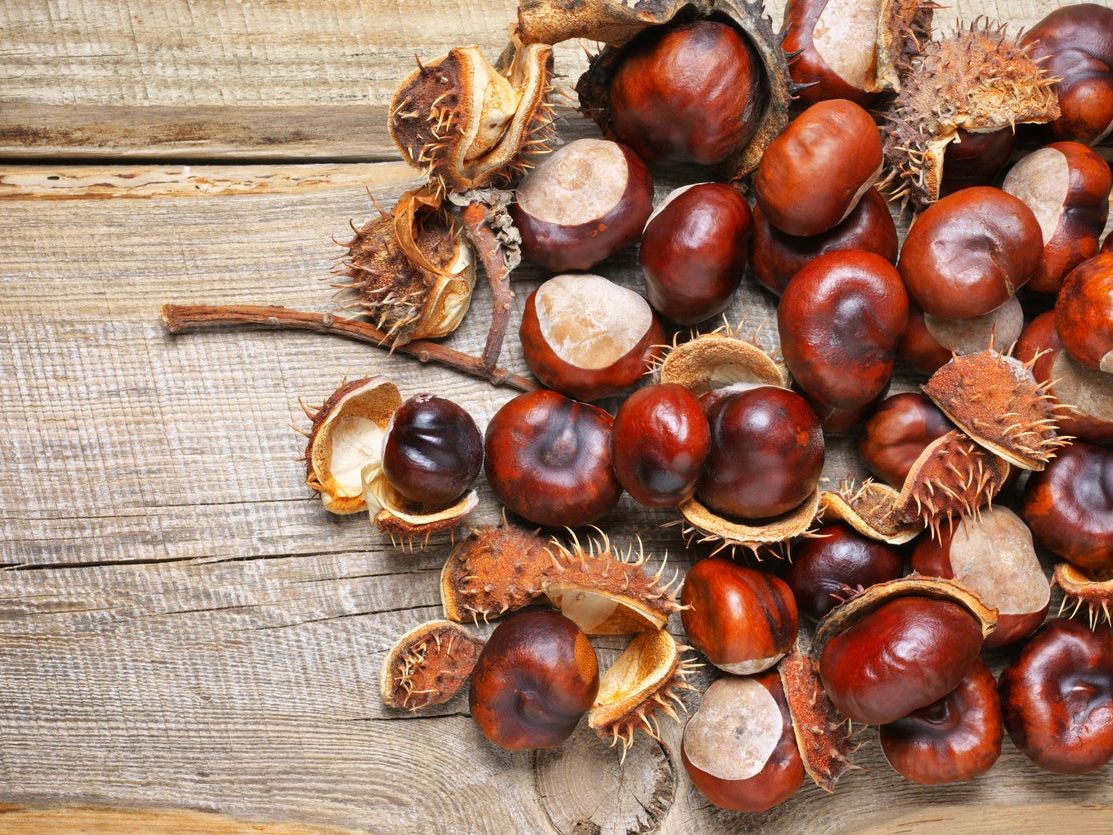
The seeds, known as conkers, are round and shiny brown. They fall from spiky green pods. Many people find them attractive and use them for crafts or games (like “conkers” in the UK). However, horse chestnuts are not related to edible chestnuts, despite their similar appearance.
Horse Chestnuts Vs Edible Chestnuts
Confusing horse chestnuts with edible chestnuts is a common mistake, especially for beginners. Here’s a simple comparison to help you tell them apart:
| Feature | Horse Chestnut | Edible Chestnut |
|---|---|---|
| Scientific Name | Aesculus hippocastanum | Castanea sativa |
| Seed Appearance | Shiny, round, large | Flat side, smaller, duller |
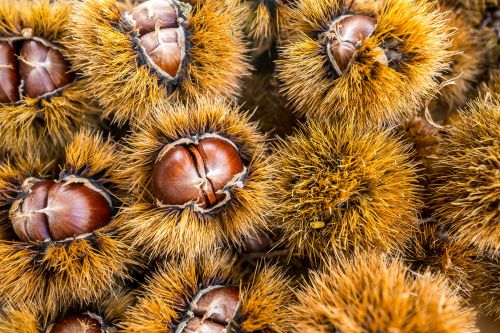
| Pod | Thick, green, spiky | Thin, brown, hairy |
| Edibility | Toxic | Safe and edible |
| Taste | Bitter, inedible | Sweet, nutty |
Horse chestnuts are poisonous. Edible chestnuts are safe and tasty. Mixing them up can cause serious health problems.
Why Are Horse Chestnuts Toxic?
The main reason you cannot eat horse chestnuts is their toxicity. They contain a chemical called aesculin, which is dangerous for humans and animals. Aesculin is found in all parts of the tree—seeds, leaves, bark, and flowers. Eating even a small amount can cause stomach problems, and larger amounts can be life-threatening.
How Aesculin Affects The Body
Aesculin blocks certain enzymes in the body. This leads to symptoms like:
- Nausea
- Vomiting
- Diarrhea
- Stomach pain
- Weakness
- Confusion
In severe cases, aesculin can affect the central nervous system and cause seizures. It can also impact the kidneys and liver.
Toxicity Data
Studies show that as little as one horse chestnut seed can cause symptoms in adults. For children and pets, the risk is higher. The LD50 (lethal dose for 50% of test subjects) for aesculin in rats is about 100 mg/kg. For humans, the toxic dose is not fully known, but even small amounts are unsafe.
Identifying Horse Chestnuts In The Wild
Knowing how to spot horse chestnuts can prevent accidents. Here are practical tips:
- Look at the leaves: Horse chestnut leaves are big, with 5-7 leaflets fanning out from a central point.
- Check the pods: The seed pods are green and covered with rough spikes, not soft hairs.
- Inspect the seeds: The seeds are round, glossy, and have a pale spot.
- Notice the tree size: Horse chestnuts are often very tall and broad.
Compare this with edible chestnut trees, which have narrower leaves and smaller, less spiky pods.
| Characteristic | Horse Chestnut | Edible Chestnut |
|---|---|---|
| Leaf Shape | Palmate, big | Simple, lance-shaped |
| Pod Texture | Hard, with thick spikes | Soft, with fine hairs |
| Seed Shape | Round, glossy | Flat on one side |
Many people confuse the two, especially when collecting seeds in the fall. Always double-check if you’re not sure.
What Happens If You Eat Horse Chestnuts?
Eating horse chestnuts can cause poisoning. Symptoms usually start within a few hours. The severity depends on the amount eaten and the person’s age and health.
Common Symptoms
- Severe stomach pain
- Vomiting and diarrhea
- Headache
- Dizziness
- Muscle twitching
- Confusion
In rare cases, people may experience kidney failure or seizures. Children are at higher risk. Pets, especially dogs, can also become seriously ill.
Real-life Examples
Hospitals sometimes treat cases where children or adults have accidentally eaten horse chestnuts. In most cases, the seeds cause mild to severe stomach symptoms. Some patients need IV fluids, and rarely, hospitalization.
Pets, like dogs, often chew on fallen seeds. Vets report vomiting, drooling, and trouble walking. Prompt treatment is important.
Can You Make Horse Chestnuts Safe To Eat?
Some people wonder if cooking or processing can make horse chestnuts safe. The answer is no. Cooking does not remove aesculin. Roasting, boiling, or drying the seeds still leaves them toxic. Some traditional remedies use horse chestnut extracts, but these are made with special processing to remove toxins.
The Role Of Horse Chestnut Extracts
Horse chestnut extracts are used in medicine for varicose veins and chronic venous insufficiency. However, these products are purified and standardized. They are not the same as eating raw seeds. Taking unprocessed horse chestnut is dangerous.
If you want to use horse chestnut for health, only buy products tested for safety. Never make your own remedies from the tree.
Credit: www.anses.fr
Edible Chestnuts: Safe Alternatives
If you like chestnuts, choose edible chestnuts from the Castanea family. These are sold in stores and markets, especially during winter. Edible chestnuts are used in many recipes, like roasted chestnuts, chestnut soup, and desserts.
Nutritional Benefits
Edible chestnuts are a good source of:
- Carbohydrates
- Fiber
- Vitamin C
- Potassium
- B vitamins
They are low in fat compared to other nuts. Eating chestnuts can boost energy and support digestion.
Buying Tips
- Look for flat-sided nuts: Edible chestnuts have one flat side.
- Check the shell: It should be thin and brown, not thick and green.
- Avoid shiny seeds: Shiny, round seeds are usually horse chestnuts.
Horse Chestnuts In History And Culture
Horse chestnuts have been used for centuries, but not as food. Their main roles are:
- Games: The British game “conkers” uses horse chestnuts for fun, not eating.
- Medicine: Some cultures use horse chestnut extracts for leg vein problems.
- Ornamental: The trees are planted for shade and beauty.
In some parts of Europe, horse chestnuts were used in old remedies. However, these were risky, and modern medicine does not recommend eating the seeds.
Credit: www.gardeningknowhow.com
Risks For Pets And Wildlife
Horse chestnuts can be dangerous for pets and wildlife. Dogs and horses may eat fallen seeds while playing or grazing. Birds sometimes pick at seeds, but most avoid them.
Symptoms In Animals
- Vomiting
- Diarrhea
- Loss of coordination
- Difficulty breathing
If your pet eats horse chestnuts, call a vet right away. Treatment may include activated charcoal, fluids, and monitoring.
Wild animals usually avoid the seeds, but accidents happen. Squirrels and deer prefer other nuts and fruits.
What To Do If Someone Eats Horse Chestnuts
If you suspect someone has eaten horse chestnuts, act quickly:
- Do not wait for symptoms: Even if the person feels fine, the toxins may cause problems later.
- Contact poison control: In the US, call 1-800-222-1222.
- Go to the emergency room: If symptoms are severe, seek medical help immediately.
Doctors may give activated charcoal, fluids, and monitor vital signs. Most cases recover, but some need hospital care.
Common Myths About Horse Chestnuts
Many people believe myths about horse chestnuts. Let’s clarify:
- Myth: Horse chestnuts are just like regular chestnuts.
Fact: Horse chestnuts are toxic; edible chestnuts are safe.
- Myth: Cooking makes horse chestnuts safe.
Fact: Cooking does not remove toxins.
- Myth: Animals can eat horse chestnuts safely.
Fact: Pets and wildlife can get sick or die.
- Myth: Horse chestnuts have no use.
Fact: They are used in medicine, crafts, and games, but not as food.
How To Avoid Mistakes When Foraging
Foraging for wild foods is popular, but safety is key. Here’s how to avoid dangerous mistakes:
- Learn to identify trees: Study pictures and guides before collecting nuts.
- Ask experts: Join local foraging groups or talk to park rangers.
- Use apps: Some smartphone apps help you identify trees and seeds.
- Never eat unknown seeds: If you’re unsure, do not taste or cook them.
- Teach children: Show them the difference between safe and unsafe nuts.
Many accidental poisonings happen during autumn walks or school trips. Educating yourself and your family is critical.
Horse Chestnut Uses (besides Eating)
Horse chestnuts are valuable, even if not edible.
- Crafts: Their shiny seeds are used for jewelry, decorations, and games.
- Traditional medicine: Extracts help treat varicose veins (with proper processing).
- Gardening: The trees provide shade, beauty, and shelter for birds.
Some people use horse chestnuts as natural insect repellents. However, this is not scientifically proven.
Horse Chestnut Extract Safety
Commercial horse chestnut extracts are made by removing most toxins. These extracts may help with leg swelling and blood flow. If you want to try them:
- Buy from trusted brands: Look for quality control and safety testing.
- Read labels: Make sure the product is standardized for aesculin content.
- Ask your doctor: Some people have allergies or medical conditions that make extracts unsafe.
Never make your own extracts from wild seeds. Home processing cannot remove all toxins.
Poisoning Statistics
Accidental poisonings from horse chestnuts are rare but serious. According to the American Association of Poison Control Centers, there are a few dozen cases each year in the US. Most involve children or pets.
- Over 80% of cases have mild symptoms.
- Less than 5% require hospitalization.
- No deaths are reported in recent years, but severe cases need urgent care.
Global Regulations
Different countries have rules about horse chestnut use.
| Country | Edible Chestnuts | Horse Chestnuts |
|---|---|---|
| US | Sold in stores, safe | Not sold as food, regulated for extracts |
| UK | Edible, popular | Used for games, not food |
| Germany | Edible, used in cooking | Extracts allowed, not seeds |
| Japan | Edible chestnuts in sweets | Horse chestnut not eaten |
Regulations help protect consumers. Edible chestnuts are labeled and sold as food, while horse chestnut products are sold for health or crafts.
Credit: www.gardeningknowhow.com
How To Dispose Of Horse Chestnuts Safely
If you have horse chestnuts in your yard, keep them away from children and pets.
- Pick up fallen seeds regularly.
- Dispose of them in garbage bags, not compost.
- Teach kids not to touch or play with them.
- Store seeds for crafts in sealed containers.
Some cities have special guidelines for yard waste. Check with your local council.
The Bottom Line: Can You Eat Horse Chestnuts?
No, you cannot eat horse chestnuts. The seeds, leaves, and bark are poisonous. Even small amounts cause stomach problems, and larger amounts can be life-threatening. There is no safe way to cook or process them at home.
If you want chestnuts for food, buy edible chestnuts from stores or trusted suppliers. Always check the species before eating wild nuts.
Horse chestnuts are beautiful, useful for crafts, and valuable for medicine (with proper processing). But never eat them raw, cooked, or processed at home.
Frequently Asked Questions
What Happens If You Eat Horse Chestnuts?
Eating horse chestnuts causes poisoning. Symptoms include nausea, vomiting, diarrhea, and stomach pain. In severe cases, confusion, seizures, or kidney failure may occur. Medical treatment is needed if symptoms develop.
How Can You Tell Horse Chestnuts From Edible Chestnuts?
Horse chestnuts are shiny, round seeds with a pale spot, inside thick, spiky green pods. Edible chestnuts are flat-sided, duller brown seeds inside thin, hairy pods. The trees have different leaves and pod textures. Always check the species before eating.
Are Horse Chestnuts Used In Medicine?
Yes, horse chestnut extracts are used for varicose veins and leg swelling. These extracts are processed to remove toxins. Never use raw seeds or homemade remedies, as they remain dangerous.
Can Pets Eat Horse Chestnuts Safely?
No, horse chestnuts are toxic to pets. Dogs and horses may eat fallen seeds and become sick. Symptoms include vomiting, diarrhea, and difficulty walking. If your pet eats horse chestnuts, seek veterinary care.
Are There Any Safe Uses For Horse Chestnuts?
Horse chestnuts are safe for crafts, games, and ornamental planting. Commercial extracts may be used for health (with proper processing). They should never be eaten raw or cooked at home.
If you want more information on plant toxicity, visit Wikipedia for detailed data and references.
Staying informed and careful is the best way to enjoy nature safely. Never eat wild seeds unless you are absolutely sure they are safe. Horse chestnuts are beautiful, but only for crafts and medicine—not for food.