
When a horse won’t drink water, it can quickly turn into a serious problem. Horses need fresh water every day to stay healthy and active. If they suddenly stop drinking, they’re at risk for dehydration, colic, and other health issues.
Many owners feel worried and confused when their horse refuses water. Understanding why this happens and what you can do is key to keeping your horse safe.
This article explains the reasons behind a horse not drinking, how to spot dehydration, practical solutions, and preventive steps. Whether you’re caring for a single pony or managing a stable, these insights will help you act quickly and confidently. You’ll also find real-life examples, useful tables, and answers to common questions.
Let’s explore why horses sometimes refuse water and how you can help them.
Why Water Is Essential For Horses
Water is one of the most important parts of a horse’s diet. Horses can survive longer without food than without water. An average adult horse drinks 5–15 gallons (19–57 liters) every day, depending on weather, activity, and diet. Water helps with digestion, temperature control, and moving nutrients around the body.
Without enough water, a horse’s body cannot work properly. Dehydration can happen fast, especially in hot weather or during heavy exercise. It can lead to colic, kidney problems, and even death. Horses are sensitive to water changes, so even small issues can stop them from drinking.
Common Reasons Horses Refuse Water
If your horse won’t drink, it’s important to find out why. Here are the most frequent causes:
- Dirty Water: Horses are picky. If water looks dirty or smells bad, they may refuse it.
- Change in Water Source: Moving to a new stable or pasture with different water can make horses hesitant.
- Temperature: Very cold or hot water can discourage drinking.
- Stress or Illness: Horses under stress or feeling sick often stop drinking.
- Dental Problems: Painful teeth or mouth injuries can make drinking uncomfortable.
- Feed Changes: Switching from wet to dry feed (like hay) can reduce a horse’s water intake.
- Travel: Some horses are nervous travelers and avoid drinking away from home.
- Water Trough Placement: If the trough is in a noisy or scary spot, horses may avoid it.
- Medication Side Effects: Some drugs reduce thirst or make water taste odd.
- Injury or Pain: Neck, throat, or head injuries may make drinking painful.
Recognizing these causes is the first step to solving the issue.
Signs Your Horse Is Dehydrated
Spotting dehydration early can prevent bigger health problems. Here are key symptoms to watch for:
- Sunken eyes and dull coat
- Dry, sticky gums
- Reduced skin elasticity
- Dark urine or less frequent urination
- Lethargy or weakness
- Reduced appetite
- Thick saliva
To check skin elasticity, pinch the skin on the horse’s neck. If it stays up or returns slowly, your horse may be dehydrated. Normal skin snaps back quickly.
Hydration Statistics
Let’s compare normal water intake and dehydration risk in horses:
| Condition | Average Water Intake (Gallons/Day) | Dehydration Risk |
|---|---|---|
| Healthy Adult Horse | 10–15 | Low |
| Hot Weather/Hard Work | 15–20 | Medium |
| Ill or Not Drinking | <5 | High |
Practical Steps If Your Horse Won’t Drink
When you notice your horse isn’t drinking, act quickly. Here’s what you can do:
1. Check Water Quality
Inspect the water trough or bucket. Remove any debris, algae, or foul smells. Clean with mild soap and rinse thoroughly. Horses prefer clean, fresh water.
2. Offer Different Water Sources
Try offering water from another bucket or location. Some horses respond better to running water or water from a hose.
3. Adjust Water Temperature
In cold climates, warm the water slightly. In hot weather, keep water cool but not icy. Horses usually prefer water at room temperature.
4. Flavor The Water
Add apple juice, molasses, or peppermint to make water more attractive. Start with a small amount and increase if needed.
5. Encourage Drinking With Wet Feed
Soak hay or feed in water. This increases moisture intake and encourages thirst.
6. Reduce Stress
Keep routines stable. If your horse is anxious, spend time calming them and provide a quiet area to drink.
7. Check For Health Issues
Inspect teeth, gums, and mouth for injuries or swelling. If you find problems, call your vet.
8. Monitor Water Intake
Track how much your horse drinks each day. Use a marked bucket or measure refills.
9. Move The Water Source
Place water away from noisy machines, strong smells, or busy areas. Horses drink better in calm places.
10. Consult Your Veterinarian
If nothing works, contact your vet. Dehydration can turn dangerous fast. Your vet can diagnose underlying issues and offer treatment.
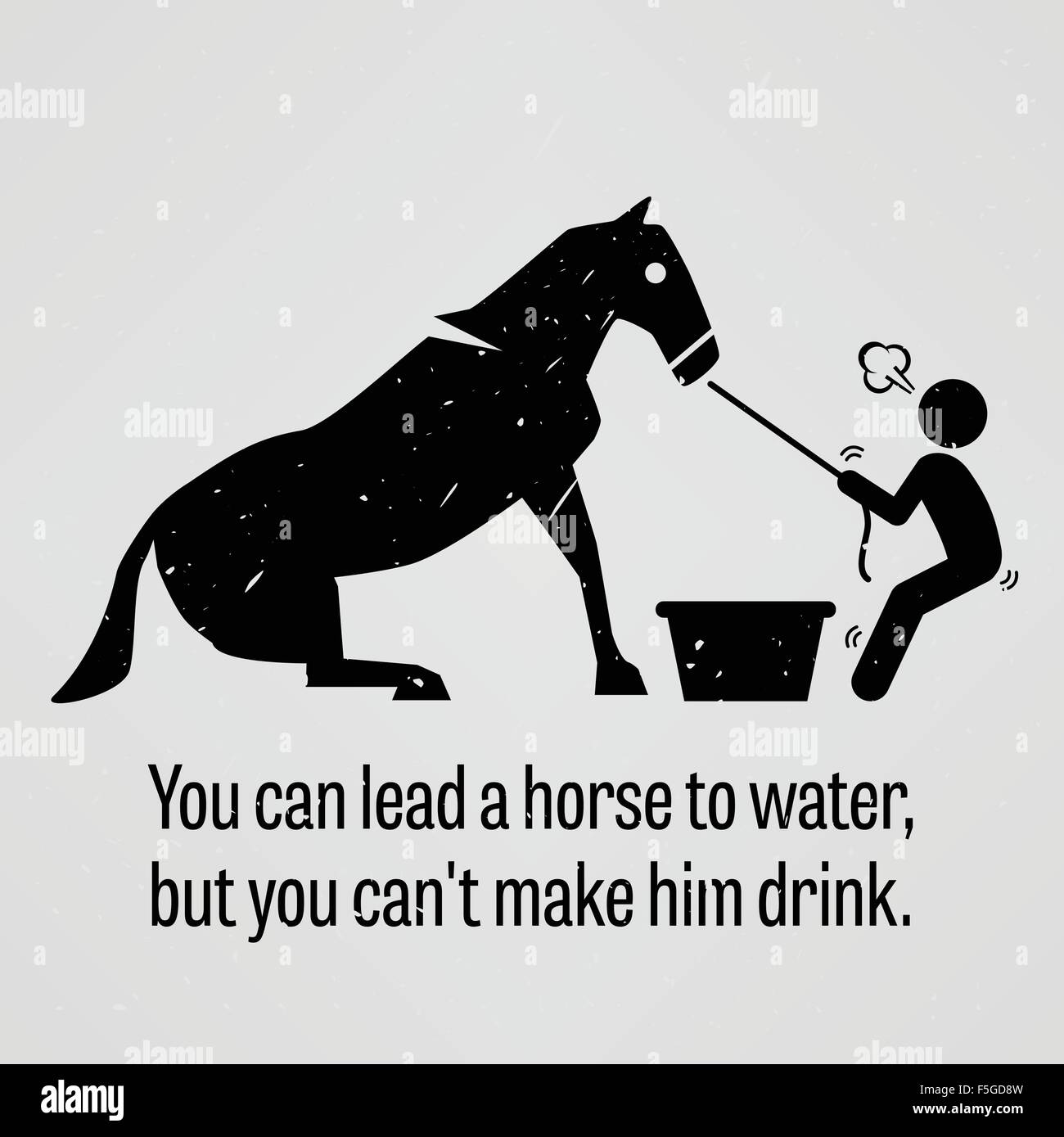
Credit: www.alamy.com
How Environment And Routine Affect Drinking
Horses are sensitive to changes. A new stable, pasture, or routine can cause stress, making them less likely to drink. Some horses dislike the smell or taste of water in unfamiliar places. If you travel with your horse, take water from home or slowly introduce new water.
Water Source Comparison
Here’s a quick comparison of common water sources for horses:
| Water Source | Advantages | Disadvantages |
|---|---|---|
| Well Water | Stable taste, usually clean | Mineral content varies |
| Tap Water | Easy access, consistent supply | Chlorine may affect taste |
| Surface Water (pond, stream) | Natural source, familiar to some horses | Risk of contamination |
| Bottled Water | Very clean, good for travel | Expensive, not practical long-term |
Preventing Water Refusal
Prevention is always better than cure. Here’s how you can help your horse keep drinking:
- Clean water troughs regularly to avoid algae and bacteria buildup.
- Check water temperature often, especially in extreme weather.
- Keep water sources consistent when moving or traveling.
- Introduce new water slowly if you must change sources.
- Provide salt blocks to stimulate thirst.
- Monitor water intake daily, especially during hot weather or illness.
- Keep routines stable to avoid stress.
- Check for dental problems twice a year.
Salt And Water Intake
Salt encourages horses to drink. Place a salt block in their stall or pasture. If your horse eats only dry feed, salt is even more important.
| Feed Type | Water Intake (Gallons/Day) | Salt Requirement |
|---|---|---|
| Wet Grass | 8–10 | Low |
| Dry Hay | 12–15 | Medium |
| Grain Only | 15–18 | High |

Credit: www.cartoonstock.com
Real-life Examples And Insights
Many horse owners face water refusal during travel or weather changes. For example, during a hot summer, a horse named Bella stopped drinking after her stable switched from well water to city water. The owner mixed a small amount of apple juice in the water.
Bella started drinking again, and after a few days, the juice was removed without problems.
Another case involved a gelding with sore teeth. He avoided water and became dehydrated. The vet treated the dental issue, and the horse’s drinking returned to normal.
Sometimes horses refuse water during competitions. Carrying water from home or gradually mixing it with local water can help. These practical steps often solve the problem before it turns serious.
When To Seek Veterinary Help
Not drinking for more than a day is a sign to call your vet. Dehydration can become life-threatening fast, especially in young, old, or sick horses. Vets can check for colic, infections, or dental problems. They may give fluids or recommend other treatments.
Don’t wait if your horse shows signs of dehydration or illness.
A vet visit is also important if:
- Your horse shows signs of colic (pawing, rolling, sweating)
- There’s blood or swelling in the mouth
- The horse seems weak or confused
- You notice dark urine or no urination
Addressing Water Refusal In Herds
If you manage several horses, water refusal can spread. Horses often copy each other’s behavior. If one horse stops drinking due to dirty water or stress, others may follow. Clean all water sources, provide enough space for each horse, and monitor group behavior.
Herds may also refuse water due to new animals, changes in routine, or competition for resources. Watch for bullying or overcrowding near water troughs. Provide multiple water stations to prevent fights.
Advanced Solutions For Persistent Refusal
Some horses need special help. Automatic waterers can encourage drinking by providing fresh water at all times. Others respond well to flavored electrolytes or special salts. In severe cases, vets may give fluids through a tube or intravenously.
If your horse refuses water after surgery or illness, follow the vet’s advice. Offer small amounts often, and monitor recovery closely.
Non-obvious Insights
Beginners often overlook two key points:
- Water smell matters: Horses have a strong sense of smell. Even small amounts of chlorine or minerals can make water unappealing. Test water regularly, especially after changes.
- Feeding routine affects thirst: Horses eating high-moisture feeds (like fresh grass) drink less than those on dry hay or grain. Adjust water supply based on feed type.
These details can help solve stubborn water refusal cases.
The Role Of Weather And Seasons
Weather changes affect how much water horses drink. In winter, horses may drink less because water is cold or frozen. In summer, they need more water to stay cool. Adjust water supply and check troughs for ice or overheating.
If your horse is reluctant to drink in winter, warm the water slightly. In summer, provide shade and refill troughs often.
Traveling With Horses
Travel is stressful for horses. Many refuse water away from home. Here’s how to reduce the risk:
- Bring water from home or mix it with local water over several days.
- Use familiar buckets or waterers.
- Offer water regularly during stops.
- Avoid forcing horses to drink—let them drink when ready.
Horses can become dehydrated quickly during travel. Plan ahead to keep them safe.
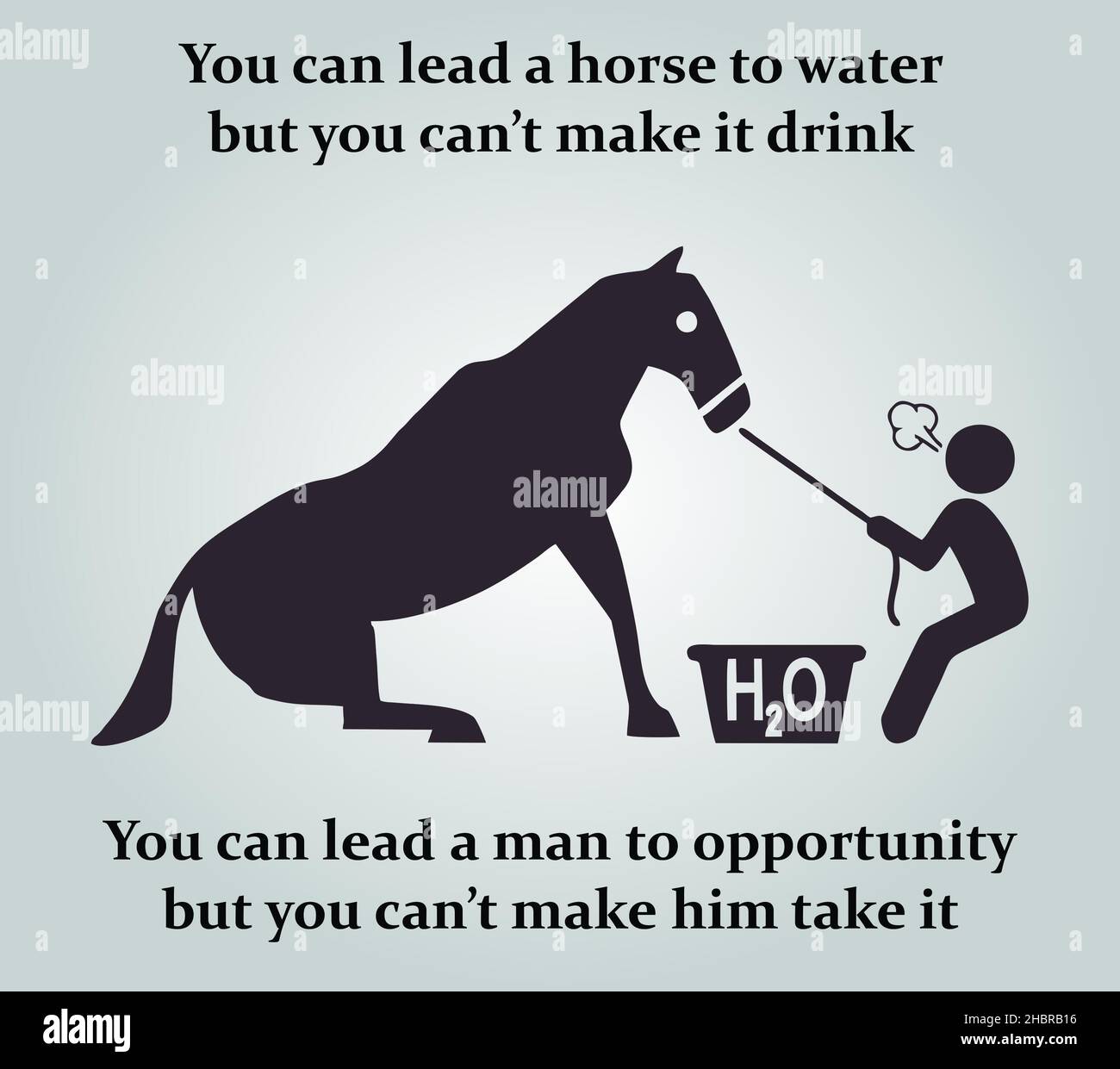
Credit: www.alamy.com
Frequently Asked Questions
What Should I Do If My Horse Won’t Drink Water For 24 Hours?
Act fast. Check water quality, offer water from different sources, and try flavoring. If your horse still won’t drink, call your vet. Dehydration can become serious quickly.
Can Dental Problems Cause Water Refusal?
Yes. Horses with sore teeth or mouth injuries may avoid drinking. Check for swelling, bleeding, or bad breath. If you suspect dental issues, contact your vet for an exam.
How Much Water Does An Average Horse Need Per Day?
A healthy adult horse needs 5–15 gallons (19–57 liters) daily. Amount depends on weather, activity, and feed type. Horses eating dry hay need more water than those on wet grass.
Is It Safe To Add Flavor To A Horse’s Water?
Yes, in moderation. Apple juice, molasses, or peppermint can encourage drinking. Start with a small amount and monitor for allergies or digestive upset. Remove flavor once your horse drinks normally.
What Are The Risks Of Dehydration In Horses?
Dehydration can cause colic, kidney failure, weakness, and even death. Early signs include dry gums, sunken eyes, and reduced skin elasticity. If left untreated, dehydration is life-threatening.
If your horse won’t drink water, don’t panic—but act quickly and thoughtfully. Clean water, stable routines, and regular checks are your best tools. Pay attention to changes in environment, feed, and health. Even picky horses can be helped with the right approach. Prevent problems by keeping water sources clean and consistent. If you notice signs of dehydration or your horse refuses water for more than a day, call your vet. With patience and practical steps, you can keep your horse safe and hydrated. For more detailed information, visit Horse & Hound.
1 thought on “Horse Won’t Drink Water: Proven Tips to Get Your Horse Hydrated”