
Breeding horses is an ancient practice that has shaped civilizations, created new breeds, and powered cultures around the world. Whether you dream of raising a racehorse, a show jumper, or simply want to continue your family’s farm tradition, understanding the process is essential.
Horse breeding is more than putting a mare and stallion together; it’s a careful science and art that requires knowledge, patience, and responsibility.
Many beginners think breeding is simple. In truth, it involves complex decisions, health checks, timing, and a deep understanding of genetics. Mistakes can lead to poor health in both foals and parents, or financial losses. This guide will walk you through each step, using clear language and real examples, so you can breed horses safely and responsibly—whether you’re a newcomer or looking to deepen your knowledge.
The Basics Of Horse Breeding
Before you start, it’s important to know what horse breeding really means. Breeding is the process of mating a mare (female horse) with a stallion (male horse) to produce a foal (baby horse). The reasons for breeding vary: some people breed for specific traits, such as speed, jumping ability, or temperament. Others may want to improve a breed or produce horses for sale.
Key Terms Every Beginner Should Know
- Mare: An adult female horse, usually over 3 years old.
- Stallion: An uncastrated adult male horse, used for breeding.
- Gelding: A castrated male horse; cannot be used for breeding.
- Foal: A young horse, up to one year old.
- Filly: A female foal.
- Colt: A male foal.
Knowing these terms helps you communicate with veterinarians, breeders, and other horse professionals.
Why People Breed Horses
People choose to breed horses for several reasons:
- To continue valuable bloodlines: Some breeds have unique characteristics, such as the Arabian’s endurance or the Thoroughbred’s speed.
- For sport or work: Racing, jumping, dressage, or farm work require specific traits.
- To improve health or conformation: Conformation means the horse’s physical structure—breeding can help correct flaws.
- For personal or family tradition: Many farms take pride in generations of home-bred horses.
However, breeding should never be done casually. It requires resources, knowledge, and responsibility.
Selecting The Right Mare And Stallion
Choosing the right mare and stallion is the most important step. Not every horse is a good candidate for breeding—even if they are beautiful or fast. Health, genetics, and temperament matter most.
Health And Soundness
Both horses must be healthy and free from genetic diseases. Common checks include:
- Veterinary examination
- Testing for infectious diseases (e.g., Equine Infectious Anemia)
- Checking for hereditary issues (e.g., weak legs, breathing problems)
Ignoring these checks can lead to sick foals, high vet bills, or heartbreak.
Conformation And Temperament
Conformation means the horse’s build. Good conformation leads to better performance and fewer injuries. For example, a horse with straight legs is less likely to have joint problems.
Temperament is often inherited. Nervous, aggressive, or very stubborn horses may pass these traits to their foals. Choose calm, trainable parents.
Pedigree And Breed Standards
Each breed has a studbook or registry with standards. For example, Thoroughbreds have strict rules about parentage. Check records to ensure both horses meet the breed’s requirements.
Many breeders use data to decide which horses to pair. Here’s a simple comparison of common traits breeders look for:
| Trait | Why It Matters | How to Assess |
|---|---|---|
| Health | Reduces risk of inherited disease | Vet checks, genetic tests |
| Temperament | Good behavior is often inherited | Observe handling, training sessions |
| Performance Record | Shows genetic potential | Race results, show scores |
| Conformation | Supports soundness and athleticism | Judges, breed inspectors |
Common Mistakes In Selection
- Choosing based only on looks or color
- Ignoring health or temperament
- Breeding horses too young or too old
- Not checking for close family relationships (inbreeding)
An experienced breeder or veterinarian can help you make wise choices.

Credit: en.wikipedia.org
Understanding Genetics And Inheritance
Horse breeding is not just about pairing two horses—it’s about combining genes. Genetics determines the foal’s color, size, health, and ability. While you cannot control everything, understanding basic genetics helps you avoid surprises.
Coat Color Genetics
Many people are surprised by foal colors. For example, two black horses can have a chestnut foal if both carry the right gene. Color charts and genetic tests can help predict likely outcomes.
Heritable Diseases
Some breeds carry genetic diseases, like HYPP in Quarter Horses or SCID in Arabians. Responsible breeders test for these genes. Never breed two horses if both carry the same disease gene.
Hybrid Vigor
Crossing unrelated lines can sometimes produce a healthier, stronger foal. This is called hybrid vigor. But random crossing can also lose desirable traits. Balance is key.
Preparing For Breeding Season
Most horse breeding happens in the spring and early summer. Mares are “seasonally polyestrous,” meaning they come into heat (fertile) when days are longer.
Signs A Mare Is In Heat
- More friendly toward stallions
- Frequent urination
- Lifting tail, “winking” of the vulva
- Restlessness
A mare’s heat cycle lasts about 21 days, with 5-7 days of true fertility.
Pre-breeding Health Care
Both mare and stallion need:
- Vaccinations up-to-date
- Deworming
- Hoof and dental checks
- Good nutrition (especially the mare)
A healthy mare is more likely to conceive and carry a foal to term.
Breeding Methods
There are three main breeding methods:
- Natural Cover: The stallion mounts the mare directly. Used in most Thoroughbred breeding.
- Artificial Insemination (AI): Semen is collected from the stallion and placed into the mare. Common in sport horses and rare breeds.
- Embryo Transfer: The fertilized egg is moved to another mare (surrogate). Used for valuable mares who are still competing.
Each method has pros and cons. For example, AI reduces injury risk and spreads valuable genetics, but some registries do not allow it.
Here’s a quick comparison:
| Method | Main Benefit | Main Drawback |
|---|---|---|
| Natural Cover | Simple, traditional | Risk of injury, disease spread |
| Artificial Insemination | Safer, wider genetic access | Not always allowed in every breed registry |
| Embryo Transfer | Mare can keep competing | Expensive, complex |
Credit: mixlab.com
The Breeding Process: Step By Step
Breeding is a process, not a one-time event. Here’s how it usually goes:
1. Cycle Monitoring
A veterinarian tracks the mare’s cycle using ultrasound and behavior. The goal is to breed as close as possible to ovulation (egg release).
2. Choosing The Day
Timing is everything. Ovulation is the best moment for conception. Miss it, and you must wait another cycle.
3. The Breeding Event
Depending on your method (natural or AI), the mare is bred at the chosen time. Clean, safe facilities are essential to prevent injuries or infections.
4. Post-breeding Monitoring
After breeding, the mare should be monitored for:
- Signs of infection (discharge, fever)
- Early pregnancy (ultrasound at 14-16 days)
- Normal behavior
Sometimes, a mare needs several attempts before becoming pregnant.
5. Confirming Pregnancy
Veterinarians use ultrasound to confirm pregnancy, usually 14 to 16 days after breeding. Early checks catch twins, which are risky for horses.
Care Of The Pregnant Mare
A mare’s pregnancy lasts about 340 days (11 months). Care during this time is vital for the health of both mare and foal.
Nutrition
Pregnant mares need more calories, protein, vitamins, and minerals—especially during the last 3 months. However, overfeeding can cause foaling problems. Feed high-quality hay, a balanced grain mix, and provide clean water at all times.
Exercise
Moderate exercise keeps the mare healthy and prevents boredom. Avoid hard work or riding in late pregnancy.
Vaccinations And Deworming
Certain vaccines are given at specific times to protect the foal, such as equine herpesvirus (EHV-1) at months 5, 7, and 9. Deworming should continue, but consult your vet for safe products.
Monitoring For Problems
Watch for:
- Swelling, abnormal discharge, or colic
- Loss of appetite or fever
- Early signs of labor (bagging up, restlessness) before 320 days
Quick action can save lives if something goes wrong.
Foaling: The Birth Process
Foaling is usually quick and happens at night. Most mares do well on their own, but you should be prepared.
Signs Of Impending Birth
- Udder fills with milk (“bagging up”)
- Muscles around the tail soften
- Mare becomes restless, may sweat or lie down and get up repeatedly
Normal Foaling
There are three stages:
- Preparation: Mare is restless, contractions begin
- Delivery: The foal is born, usually within 20-30 minutes
- Afterbirth: Placenta passes within 3 hours
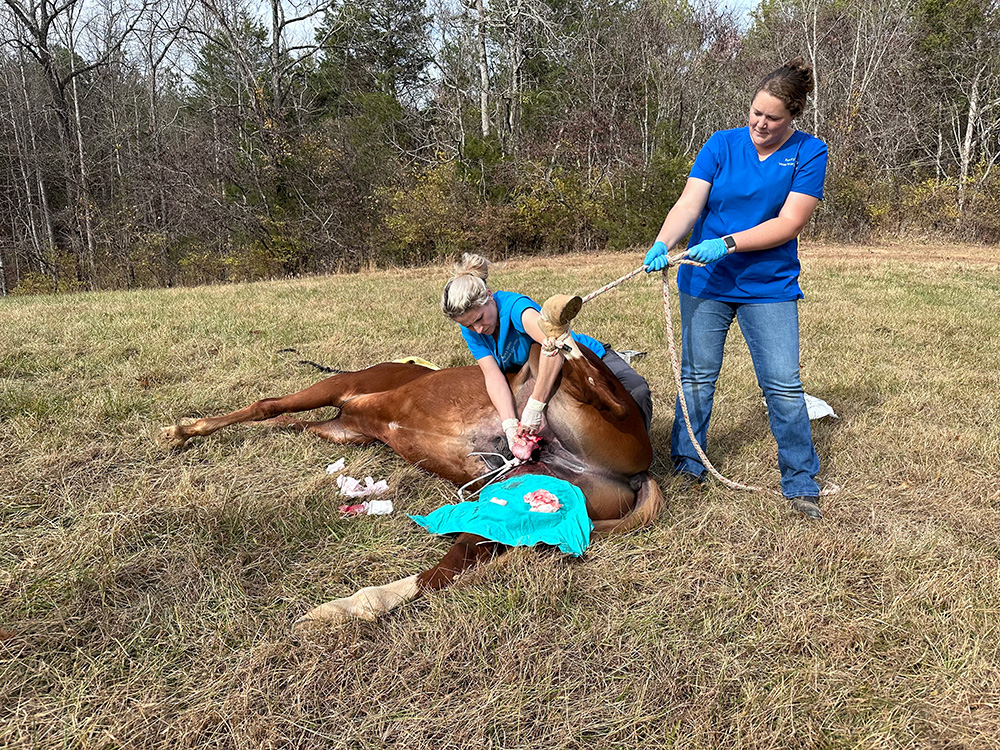
If the foal is not delivered within 30 minutes after “water breaks,” call your vet immediately.
Immediate Foal Care
- Clear the foal’s nose and mouth if needed
- Make sure the foal stands and nurses within 2 hours
- Dip the umbilical cord in iodine to prevent infection
- Check the placenta is complete
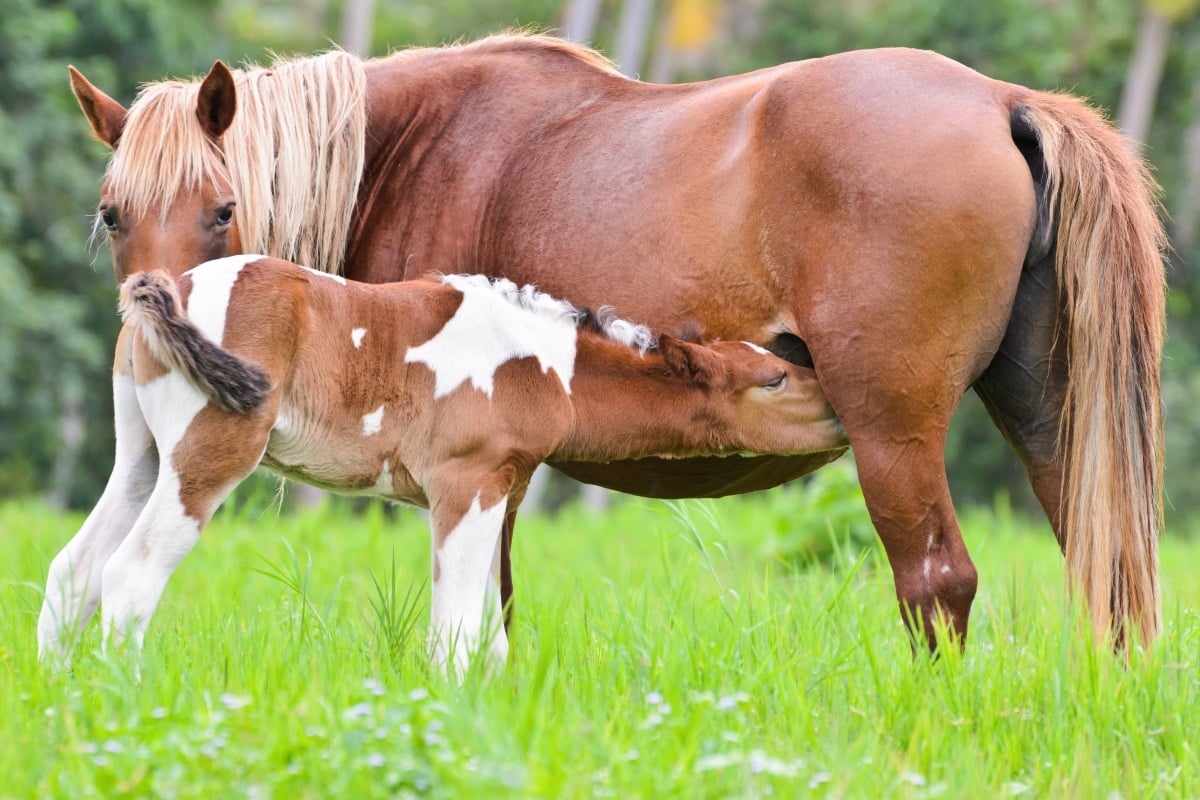
A healthy foal is alert, stands quickly, and seeks the mare’s udder.
Raising The Foal
The first weeks are critical for the foal’s health and development.
Nutrition
Colostrum (the first milk) is vital. It gives the foal antibodies. If the foal does not nurse, call your vet.
After a few weeks, foals start nibbling hay and grain. By 2-3 months, they eat solid food alongside the mare’s milk.
Health Care
- Schedule a vet check within 24 hours
- Deworm at 6-8 weeks and repeat every 2 months
- Vaccinate according to your vet’s plan
Socialization
Foals should be handled gently from birth—pick up their feet, touch ears and faces, lead them a few steps. This early training prevents future problems and makes handling safer.
Weaning
At 4-6 months, the foal is weaned (separated from the mare). This can be stressful, so do it gradually and with other foals for company.
Costs And Responsibilities
Breeding horses is expensive and time-consuming. Many first-time breeders are surprised by the real costs. Here’s an example breakdown:
| Item | Estimated Cost (USD) | Notes |
|---|---|---|
| Stud Fee | $500–$5,000+ | Depends on stallion quality |
| Veterinary Care | $800–$2,000+ | Includes exams, ultrasounds, foaling |
| Feed and Supplements | $1,000–$2,500/year | Mare and foal |
| Facilities | $500–$3,000+ | Foaling stall, fencing, bedding |
| Unexpected Costs | $500–$5,000+ | Emergencies, complications |
Not every breeding leads to a healthy foal. Sometimes, mares do not get pregnant, or foals are born with health issues. Always be ready for the risks and responsibilities.
Legal And Ethical Considerations
Breeders have a legal and ethical duty to care for their horses. Overbreeding leads to unwanted horses and suffering.
- Follow local animal welfare laws
- Register foals with the correct breed society
- Never breed horses with known defects or diseases
Good breeders put the horse’s welfare first, not just profit or pride.
Credit: www.rockyvalleyvet.com
Non-obvious Insights For Beginners
Many first-time breeders focus on the excitement of a new foal, but miss these important points:
- Not every mare will conceive, even with the best care. Some mares have fertility issues that require specialist help.
- Foals require years of training and investment before they are “useful.” Many become expensive pets if not carefully planned.
- Genetic testing can save money and heartache. Modern DNA tests can prevent breeding disasters.
- A good mentor is invaluable. Find an experienced breeder or veterinarian who will answer your questions honestly.
These insights save time, money, and prevent disappointment.
When To Avoid Breeding
Sometimes, the best choice is not to breed. Consider skipping breeding if:
- Your mare or stallion has serious health or temperament issues
- You lack funds, facilities, or time for proper care
- You cannot find good homes for potential foals
- There are already too many unwanted horses in your area
Responsible breeders know when to say no.
Lifelong Commitment
Bringing a foal into the world is only the beginning. Horses live 25-30 years or more. As a breeder, you are responsible for their health, safety, and training.
A well-bred, well-raised horse is a joy. But breeding is not for everyone. Take time to learn, plan, and ask for help when needed.
Frequently Asked Questions
How Old Should A Mare Be Before Breeding?
Most experts recommend waiting until a mare is at least 3–4 years old. This allows her to finish growing and reduces health risks. Breeding too early can stunt growth and cause complications.
How Many Times Can A Mare Be Bred In Her Life?
A healthy mare can have 6–10 foals over her lifetime, sometimes more. However, frequent breeding can affect health and fertility. Always monitor her condition and consult a vet.
Can You Breed Related Horses?
Breeding close relatives (inbreeding) increases the risk of genetic problems. Some linebreeding is used for specific traits, but it requires deep knowledge and careful planning. For most beginners, it’s best to avoid breeding horses that are closely related.
What Is The Best Season For Horse Breeding?
Spring is the best season in most climates, as mares are naturally fertile and weather is mild. Foals born in spring or early summer have the best chance to grow strong before winter.
Where Can I Learn More About Horse Breeding?
You can find reliable information from local veterinarians, equine universities, and breed associations. A good online resource is the Wikipedia page on horse breeding.
Breeding horses is a journey full of learning, responsibility, and joy. With careful planning and respect for the animals, you can help create the next generation of healthy, happy horses.