
What Is The Meaning Of Horse Gram
If you have ever browsed through Indian recipes, traditional medicine texts, or rural market stalls across South Asia, you may have come across an ingredient called horse gram. Despite its unusual name, this small, hard pulse is gaining global attention for its nutrition, resilience, and cultural value. But what exactly does “horse gram” mean? Why is it important, and how is it used? Let’s dive into the real meaning of horse gram, exploring its origin, role in diets, health benefits, and its surprising versatility.
Defining Horse Gram: Origins And Nomenclature
Horse gram is a type of legume scientifically named *Macrotyloma uniflorum*. It is part of the Fabaceae family, which also includes beans, peas, and lentils. The pulse gets its unique name from its historical use as fodder for horses and cattle, especially in rural India. Farmers noticed that their animals became stronger and healthier when fed this hardy bean, giving rise to the term horse gram.
The crop is native to tropical southern Asia, particularly India, Sri Lanka, and Myanmar. However, you might also find it under different names across regions:
- Kulthi or Kulith in Hindi and Marathi
- Kollu in Tamil
- Uluva in Malayalam
- Madras Gram in English-speaking regions
Despite being seen as a “poor man’s pulse,” horse gram is slowly earning recognition as a superfood.
The Appearance And Taste Of Horse Gram
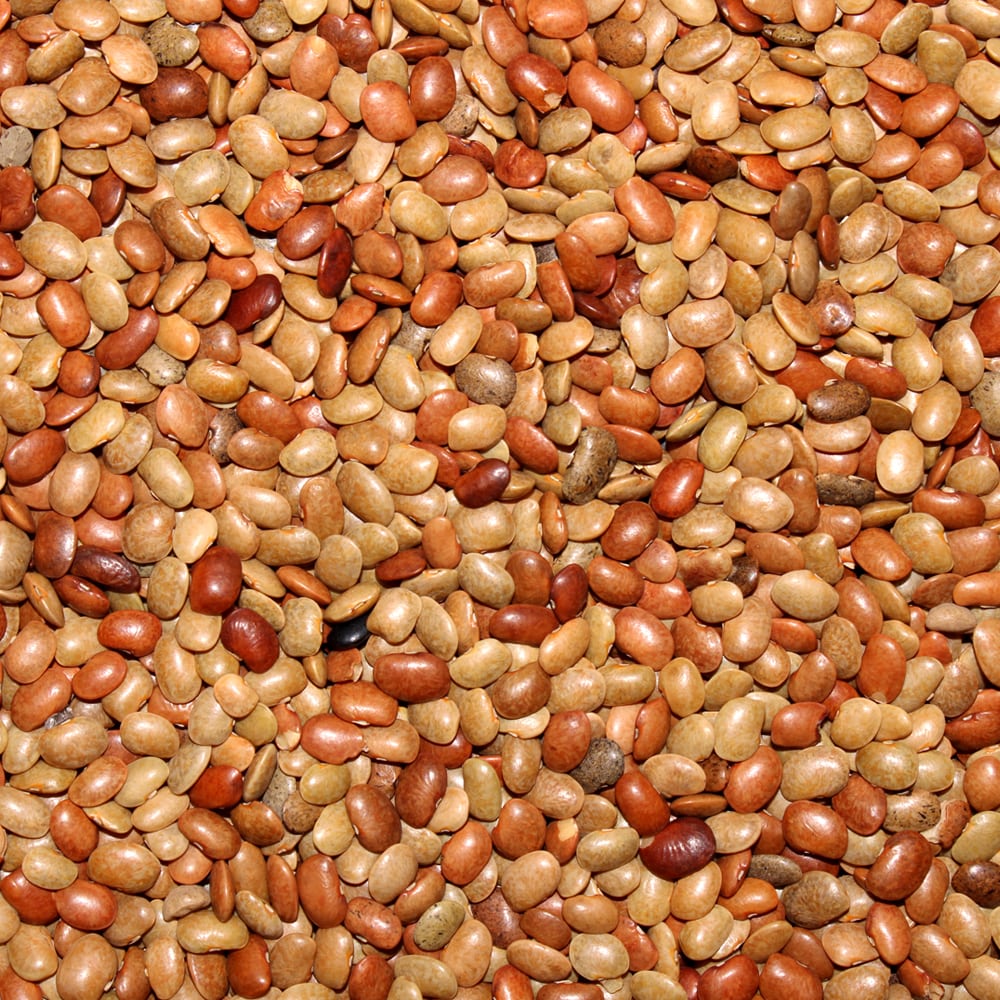
Horse gram seeds are small, oval, and typically brown, reddish-brown, or black in color. The beans have a hard, shiny surface, which makes them more resistant to pests and spoilage. When cooked, horse gram has a somewhat earthy, nutty flavor with a slightly bitter aftertaste.
Its texture is firm, making it perfect for stews, soups, and salads.
Horse gram’s taste can be an acquired one, but its adaptability in both vegetarian and meat-based dishes is a big reason for its enduring popularity.
Historical And Cultural Significance
Horse gram has a deep-rooted history, especially in Indian and Southeast Asian culture. Archaeological evidence suggests that it was cultivated in India as early as 2000 BCE. For centuries, it has been a staple for:
- Rural farmers, who relied on its drought resistance during dry seasons
- Traditional medicine practitioners, who valued its supposed healing properties
- Livestock, especially horses, for strength and stamina
In Indian Ayurveda, horse gram is considered a food that generates heat in the body, making it ideal for cold weather. It is often recommended for treating ailments like kidney stones, asthma, and joint pain.
Nutritional Profile: Why Horse Gram Stands Out
One key reason for horse gram’s rising fame is its exceptional nutrition. Here’s a breakdown of its nutritional composition (per 100 grams of raw seeds):
| Nutrient | Amount |
|---|---|
| Calories | 321 kcal |
| Protein | 22 g |
| Carbohydrates | 57 g |
| Dietary Fiber | 5 g |
| Fat | 0.5 g |
| Calcium | 287 mg |
| Iron | 7 mg |
| Phosphorus | 311 mg |
| Potassium | 409 mg |
The protein content in horse gram is higher than most other pulses, making it a valuable source for vegetarians and vegans. It is also rich in minerals, especially calcium and iron, which are often lacking in plant-based diets.
Health Benefits Of Horse Gram
Horse gram is more than just food. Its dense nutrient profile brings a variety of health benefits backed by both tradition and modern research.
1. Aids Weight Loss
Horse gram is high in dietary fiber and protein but low in fat. Eating it helps you feel full for longer, reducing the urge to snack. The slow-digesting carbohydrates maintain steady blood sugar levels, supporting healthy weight management. Some Indian diets specifically include horse gram soup or dal for people trying to lose weight.
2. Supports Heart Health
The combination of fiber, potassium, and low fat in horse gram helps lower cholesterol and regulate blood pressure. Regular consumption may reduce the risk of heart disease. The presence of antioxidants also helps prevent oxidative stress on the heart.
3. Manages Diabetes
Horse gram has a low glycemic index, which means it releases sugar slowly into the blood. This is especially helpful for people with diabetes, as it prevents sudden spikes in blood sugar. Some studies suggest that polyphenols in horse gram play a role in controlling glucose absorption.
4. Improves Digestion
The fiber content in horse gram aids digestion and prevents constipation. It also acts as a prebiotic, feeding the good bacteria in the gut.
5. Strengthens Bones
With its high calcium content, horse gram supports bone strength, making it beneficial for growing children, pregnant women, and the elderly.
6. Treats Kidney Stones And Urinary Disorders
In traditional medicine, horse gram water or broth is used as a remedy for kidney stones and urinary tract issues. While modern research is ongoing, the diuretic effect helps flush out toxins and small stones.
7. Boosts Immunity
The presence of natural antioxidants, vitamins, and minerals helps strengthen the immune system. Horse gram is especially valued during cold seasons to keep infections at bay.
Non-obvious insight: Many people do not realize that horse gram’s nutrient density comes with a catch: it also contains antinutritional factors like phytic acid and enzyme inhibitors. These can reduce the absorption of certain minerals. But soaking, sprouting, or cooking the beans can minimize these effects, making nutrients more available.
Culinary Uses: How Horse Gram Is Eaten
Horse gram is a staple ingredient in many traditional dishes across South Asia and Africa. Its use is not limited to animal feed; it is a valuable part of human diets, especially in rural and vegetarian households.
Popular Dishes
- Horse Gram Dal: A thick lentil curry often paired with rice or roti. Spices like cumin, garlic, and chili add depth to the earthy taste.
- Kollu Rasam: A tangy South Indian soup made with horse gram, tamarind, tomatoes, and spices. It is known for its warming qualities.
- Kulthi Pithla: A Maharashtrian dish where horse gram flour is mixed with spices, onions, and cooked as a thick stew.
- Sprouted Horse Gram Salad: Soaked and sprouted horse gram tossed with onions, tomatoes, lemon juice, and herbs for a nutritious salad.
- Horse Gram Chutney: Roasted horse gram blended with coconut, spices, and tamarind for a spicy side dish.
Cooking Tips And Preparation
Horse gram is harder than most lentils and beans. Here are a few tips for best results:
- Soak overnight: This softens the beans and reduces cooking time.
- Pressure cook: Horse gram takes a long time to cook on a regular stove, but a pressure cooker can make it tender in 20–25 minutes.
- Sprouting: Soaking and sprouting improves nutrient availability and makes the beans easier to digest.
- Roasting: Dry roasting horse gram before cooking enhances its flavor and helps reduce bitterness.
Non-obvious insight: Horse gram water (the liquid left after boiling) is highly nutritious and used in soups, broths, or as a drink to relieve cold symptoms.
Credit: uocb.org
How Horse Gram Compares To Other Pulses
Many people wonder how horse gram stacks up against more common beans and lentils, especially since it is less well-known outside South Asia. Here’s a quick comparison with other pulses (per 100 grams raw):
| Pulse | Protein (g) | Fiber (g) | Iron (mg) | Calcium (mg) | Fat (g) |
|---|---|---|---|---|---|
| Horse Gram | 22 | 5 | 7 | 287 | 0.5 |
| Black Gram (Urad) | 25 | 18 | 7.5 | 154 | 1.6 |
| Red Lentil (Masoor) | 24 | 11 | 7.6 | 71 | 1.1 |
| Chickpeas | 19 | 17 | 6.2 | 105 | 6.0 |
| Kidney Beans | 24 | 25 | 8.2 | 143 | 0.8 |
From the table, you can see that horse gram is especially rich in calcium and has a respectable amount of protein and iron. Its fat content is also among the lowest.
Horse Gram In Modern Diets And Food Trends
With the rise of plant-based diets and interest in alternative proteins, horse gram is slowly entering health-conscious kitchens worldwide. Nutritionists recommend it for its:
- Sustainability: Grows well in poor soils and needs little water
- Affordability: Cheaper than many imported beans or lentils
- Versatility: Can be used in soups, salads, stews, and even snacks
In India, you will now find horse gram flour in health food stores, used for making gluten-free rotis and pancakes. In Africa, it is often ground into flour and added to porridge. Some vegan protein powders also contain horse gram.
Practical tip: If you are new to horse gram, start by mixing a small amount with familiar pulses. This helps you get used to its taste and texture.
How To Select, Store, And Prepare Horse Gram
Getting the most out of horse gram starts with choosing the right beans and storing them properly.
Selection
- Choose seeds that are whole, without cracks or holes.
- Avoid beans with a dusty or musty smell, as this means they are old or have mold.
- Prefer organic or unpolished varieties for better nutrition.
Storage
- Store dry horse gram in an airtight container in a cool, dry place.
- Use within 6 months for best freshness. Older beans take longer to cook.
Preparation
- Soak: Cover beans with water and soak for 8–12 hours.
- Rinse: Drain and rinse to remove any dust or debris.
- Cook: Use a pressure cooker or boil until soft (about 20–40 minutes, depending on soaking time).
- Season: Add salt and spices only after the beans are fully cooked, as salt can toughen pulses during boiling.
Common mistake: Many beginners skip soaking, which leads to hard beans and longer cooking times. Always soak horse gram for best results.
Environmental Impact And Agricultural Value
Horse gram is valued not only for nutrition, but also for its role in sustainable agriculture.
- Drought resistance: Grows in dry, poor soils with minimal irrigation.
- Soil health: As a legume, it fixes nitrogen in the soil, reducing the need for chemical fertilizers.
- Low input: Requires little pesticide or fertilizer, making it ideal for organic farming.
This makes horse gram an important crop for small farmers in regions with uncertain rainfall. Its cultivation helps fight food insecurity and supports biodiversity.

Credit: en.wikipedia.org
Medicinal And Traditional Uses
Across South Asia, horse gram is more than just a food. It is a trusted remedy in traditional medicine systems like Ayurveda and Siddha.
Traditional Remedies
- Kidney stones: Drinking boiled horse gram water is believed to help dissolve small stones.
- Respiratory issues: Consuming horse gram soup is thought to relieve coughs, colds, and asthma.
- Joint pain: Horse gram paste is sometimes applied to swollen joints or used in herbal decoctions.
While many of these uses are not fully proven by science, some studies support horse gram’s antioxidant, anti-inflammatory, and diuretic properties. Still, you should consult a doctor before using it as a medicine, especially if you have special health conditions.
Potential Risks And Allergies
Horse gram is safe for most people when eaten in moderate amounts, but there are a few things to watch out for:
- Gas and bloating: Like other beans, horse gram can cause flatulence if eaten in large amounts or without proper soaking.
- Oxalates: People with a history of kidney stones should limit intake, as the beans are high in oxalates.
- Allergies: Rare, but possible. Stop eating if you notice itching, swelling, or other allergic symptoms.
Practical advice: Always introduce horse gram slowly into your diet, especially for children or people with digestive problems.
Horse Gram’s Place In Global Food Security
As the world faces challenges like climate change and water scarcity, horse gram’s value is rising. The United Nations and food scientists are interested in underutilized crops that can thrive in tough environments. Horse gram is a strong candidate because:
- It grows in poor soils with little water.
- It provides protein to communities with few animal products.
- It helps keep soil healthy for future crops.
Promoting crops like horse gram could help fight hunger and malnutrition in vulnerable regions.
Frequently Asked Questions
What Does Horse Gram Taste Like?
Horse gram has an earthy, nutty flavor with a slightly bitter aftertaste. When cooked with spices, its taste becomes more balanced and pleasant. Some people compare it to brown lentils, but with a firmer texture.
Is Horse Gram Good For Weight Loss?
Yes, horse gram is high in fiber and protein but low in fat. It helps you feel full longer and supports healthy digestion, making it a smart choice for weight management.
How Do You Cook Horse Gram?
Soak the beans overnight, then boil or pressure cook until soft. You can use them in soups, stews, salads, or grind them into flour for pancakes and rotis. Adding spices like cumin and garlic brings out their best flavor.
Can People With Diabetes Eat Horse Gram?
Horse gram is considered safe for most people with diabetes because of its low glycemic index. It releases sugar slowly into the blood, helping control blood sugar levels. However, it’s best to consult a doctor for individual advice.
Where Can I Buy Horse Gram?
You can find horse gram in Indian, Sri Lankan, and African grocery stores. Health food shops and some online retailers also sell it, often under names like “kulthi” or “kollu.” If you are unsure, ask for “horse gram lentils” at the store.
For more on traditional pulses and their benefits, visit Wikipedia.
As you can see, horse gram is more than just a simple bean. It represents centuries of tradition, sustainable farming, and practical nutrition for millions. Whether you are looking for a new superfood, a drought-resistant crop, or a way to add variety to your meals, horse gram is worth a closer look. Its story proves that some of the world’s most valuable foods are humble, tough, and hidden in plain sight.

Credit: ooofarms.com