
Horses are known for their curiosity and strong appetite for grass, hay, and grains. But when autumn arrives, acorns start to fall from oak trees, tempting many horses to try these shiny nuts. While acorns seem harmless, they can pose serious health risks to horses. Some owners might see horses eating a few acorns and think nothing will happen. However, the reality is that acorn consumption can lead to dangerous consequences. Understanding what happens when horses eat acorns is important for every horse owner, especially those whose pastures are dotted with oak trees.
Why Horses Eat Acorns
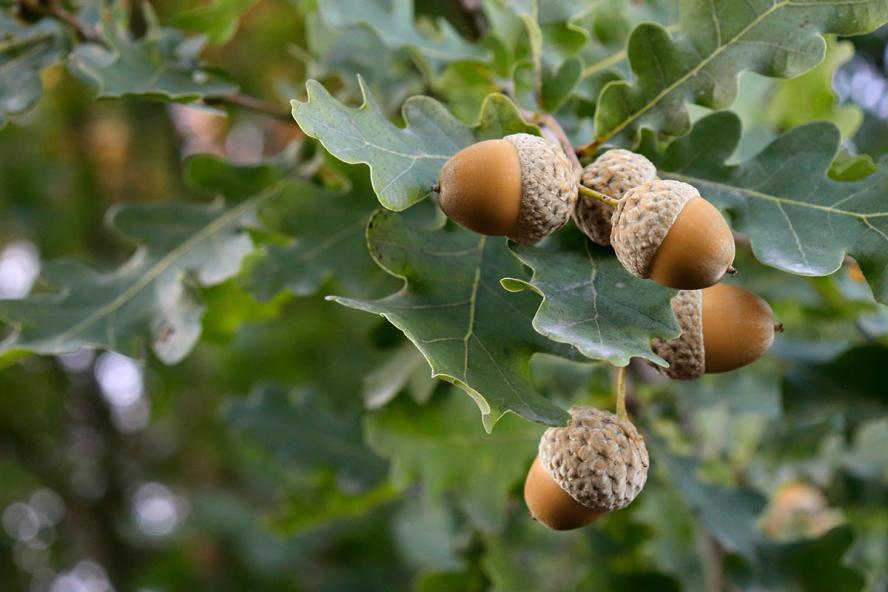
Horses are natural grazers. Their instinct is to nibble on whatever they find appealing in their surroundings. Acorns, with their sweet taste and crunchy texture, can attract horses—especially when grass is scarce. Young horses and curious adults are more likely to experiment.
In some cases, horses develop a taste for acorns and actively seek them out. During droughts or when pasture quality drops, horses may eat more acorns out of hunger.
Owners often assume horses know what is safe to eat, but this is not always true. Unlike some wild animals that avoid toxic plants and seeds, horses may not recognize the danger. Acorns are especially tempting in the fall, when they cover the ground and other feed options are limited.
The Toxic Components In Acorns
Acorns and oak leaves contain tannins and gallotoxins. These chemicals are natural defenses for the tree, protecting it from insects and animals. In small amounts, tannins may not cause noticeable problems. However, when horses eat large quantities of acorns or oak leaves, the toxins can overwhelm their digestive system.
- Tannins: These plant compounds bind to proteins and interfere with digestion. In horses, high tannin intake damages the lining of the gut and kidneys.
- Gallotoxins: These toxins break down in the horse’s stomach and release gallic acid, which is harmful to the gastrointestinal tract and internal organs.
Some horses seem to tolerate small amounts of acorns without symptoms, but there is no safe dose. Individual sensitivity varies. What is harmless for one horse may be dangerous for another.
How Acorn Poisoning Affects Horses
When horses eat acorns, the symptoms can range from mild to severe. The effects depend on the amount eaten, the horse’s size and age, and how long the exposure lasts. Here’s what typically happens:
Early Symptoms
Within hours to a few days after eating acorns, horses may show:
- Loss of appetite
- Depression or lethargy
- Mild colic signs (pawing, looking at the belly)
- Diarrhea, sometimes with blood
These early symptoms are easy to miss or confuse with other digestive issues. Owners might think their horse just has an upset stomach.
Advanced Symptoms
If the horse continues eating acorns, or if a large amount is consumed at once, the symptoms become more serious:
- Severe colic that does not improve
- Bloody or tar-like diarrhea
- Dehydration and weight loss
- Swelling in the legs or under the belly
- Yellow gums (jaundice) from liver damage
- Frequent urination or dark urine from kidney injury
Horses may also show signs of weakness and incoordination due to electrolyte imbalance.
Life-threatening Complications
The most serious effects are damage to the kidneys and gastrointestinal tract. In some cases, acorn poisoning can lead to:
- Acute kidney failure
- Severe gut inflammation
- Shock and death
Not every horse will show every symptom, and the timeline can vary. Some horses die suddenly, while others suffer for days or weeks before the full effects appear.
How Many Acorns Are Dangerous?
There is no precise number of acorns that are safe for horses. Toxicity depends on several factors:
- Type of oak tree: Some species, like the English oak and black oak, have higher tannin content.
- Horse’s weight and age: Smaller or younger horses are at greater risk.
- Amount and duration: A few acorns may not cause harm, but eating a large quantity over several days is dangerous.
Research shows that as little as 0.5% to 1.5% of a horse’s body weight in acorns or oak leaves can cause poisoning. For a 1,000-pound (450 kg) horse, this means 5 to 15 pounds (2.2 to 6.8 kg) of acorns. However, sensitive horses may react to much less.
Here’s a comparison of tannin levels in different oak species:
| Oak Species | Relative Tannin Content | Risk Level to Horses |
|---|---|---|
| English Oak | High | Very High |
| Black Oak | High | High |
| White Oak | Moderate | Moderate |
| Red Oak | Lower | Lower |
How Vets Diagnose Acorn Poisoning
Diagnosing acorn poisoning in horses can be difficult because symptoms often look like other illnesses. Vets rely on a combination of history, symptoms, and lab tests.
Key Steps In Diagnosis
- History: The vet asks about recent changes in diet, access to oak trees, and any history of grazing in wooded areas.
- Physical Exam: The horse is checked for dehydration, abdominal pain, jaundice, and swelling.
- Blood Tests: These help to spot kidney and liver damage. High levels of urea, creatinine, and liver enzymes suggest poisoning.
- Urine Tests: Blood or protein in the urine points to kidney injury.
- Fecal Exam: Vets may check for blood or undigested acorn material.
No single test confirms acorn poisoning. Diagnosis is often based on the combination of clinical signs and the horse’s access to acorns.
How Acorn Poisoning Compares To Other Plant Toxins
Some horse owners confuse acorn poisoning with other plant-related illnesses. Here’s a quick comparison:
| Toxin Source | Main Symptoms | Key Difference |
|---|---|---|
| Acorns (oak trees) | Colic, diarrhea, kidney failure | Often bloody diarrhea, kidney injury |
| Yew | Sudden death, tremors | Rapid onset, heart failure |
| Bracken Fern | Weight loss, staggering | Vitamin B1 deficiency |
| Ragwort | Jaundice, weight loss | Chronic liver damage |
Treatment For Acorn Poisoning
If you suspect your horse has eaten acorns, call your vet immediately. Early intervention is key. There is no specific antidote for acorn poisoning, but supportive care can save lives.
What Vets Do
- Remove access: Move the horse away from oak trees and acorns.
- Fluids: Intravenous fluids help flush toxins and support kidney function.
- Activated charcoal: This absorbs toxins in the gut.
- Pain relief: Medications help control colic and discomfort.
- Electrolytes: Replace lost salts and minerals.
- Monitor kidneys and liver: Blood tests help track recovery.
Some horses need several days of hospital care, while others may recover at home with close monitoring.
Recovery And Long-term Effects
Horses that receive prompt care often recover fully. However, if kidney or liver damage is severe, long-term health problems or death can occur. Even after recovery, some horses may have lingering digestive issues or reduced kidney function.
One insight many owners miss: Horses that survive acorn poisoning may become more sensitive to toxins in the future. It’s important to keep them away from oak trees permanently.
How To Prevent Horses From Eating Acorns
Prevention is always better than treatment. Here are practical steps to reduce the risk of acorn poisoning:
- Fence off oak trees: Use electric tape or permanent fencing to keep horses away from areas where acorns fall.
- Pick up acorns: Regularly collect fallen acorns, especially in the fall. Use a rake or specialized acorn collector.
- Provide enough forage: Keep pastures well stocked with hay or grass so horses are less tempted to eat acorns.
- Monitor pasture quality: During drought or poor grass growth, increase hay feeding to prevent hunger-driven grazing.
- Supervise grazing: Watch horses in wooded areas, especially young or curious animals.
- Educate staff and visitors: Make sure everyone who cares for the horses understands the risks of acorn poisoning.
A common mistake is thinking that a few acorns are harmless. In reality, repeated small exposures can add up over time.
Special Risks For Foals And Pregnant Mares
Foals and pregnant mares are especially vulnerable to acorn poisoning. Their smaller size and developing bodies make them more sensitive to toxins. In pregnant mares, acorn poisoning can cause:
- Abortion or stillbirth
- Weak or sickly foals
- Reduced milk production
Foals may suffer severe diarrhea and dehydration with even small amounts of acorn ingestion. Owners should be extra careful to prevent access for these groups.
Credit: vet.tufts.edu
What To Do If Your Horse Eats Acorns
If you discover your horse eating acorns, act quickly:
- Remove the horse from the area right away.
- Contact your vet even if the horse looks fine. Early treatment is more effective.
- Watch for symptoms over the next several days. Write down any changes in appetite, behavior, or bowel movements.
- Do not wait for symptoms to appear—by then, damage may already be done.
Many owners wait too long, thinking the horse will “pass” the acorns without problems. This delay can be fatal.
Real-life Examples And Data
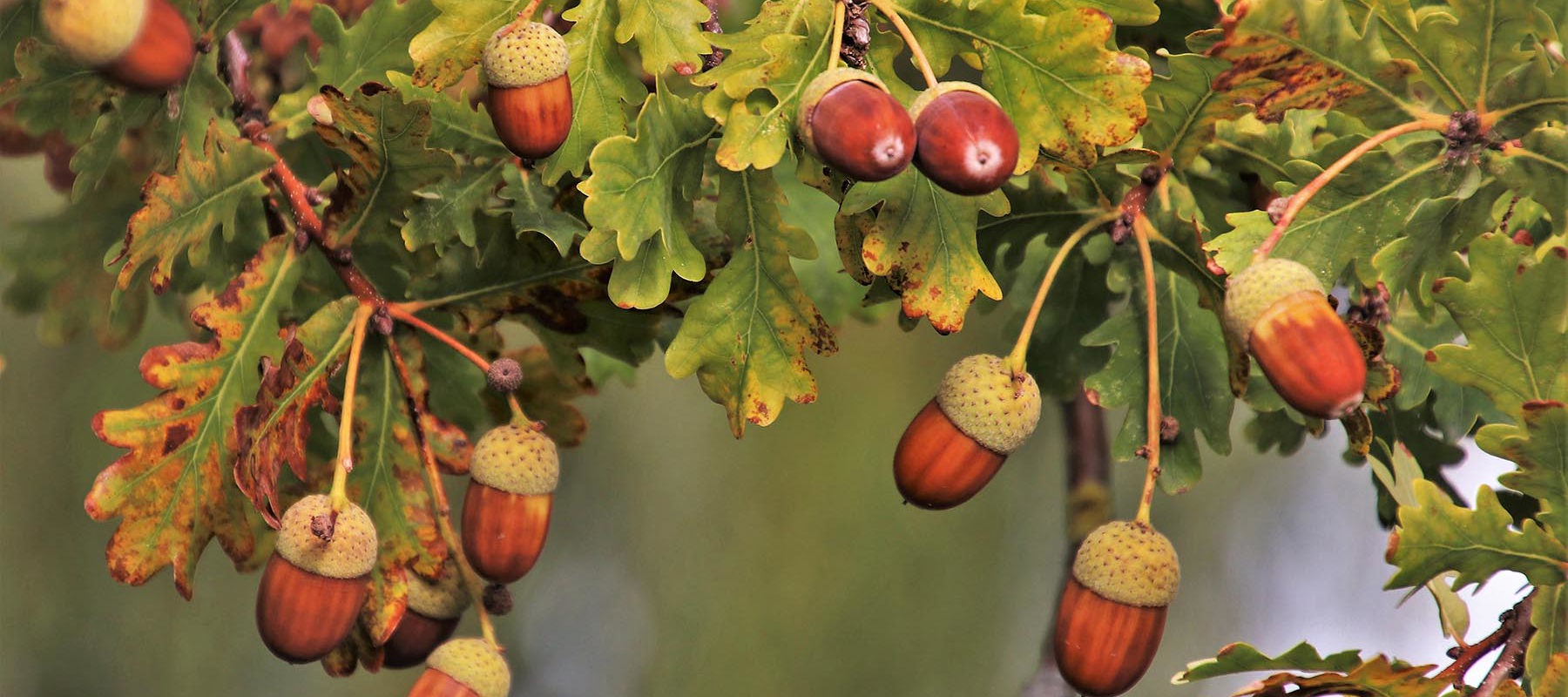
Acorn poisoning is not rare, especially in areas with many oak trees. In the UK, veterinary reports show dozens of cases each autumn. Some large horse farms have lost several animals in a single season due to acorn poisoning. In the US, the problem is more common in the Midwest and Northeast, where oaks are plentiful.
A 2016 study found that up to 30% of horses in oak-rich pastures showed evidence of mild acorn toxicity during peak season. Most cases were mild, but some required intensive care. The same study noted that horses with previous exposure to acorns developed symptoms more quickly the next time.
Credit: www.bhs.org.uk
Non-obvious Insights For Horse Owners
- Acorns are not the only risk: Oak leaves and young shoots also contain tannins, especially in spring and fall. Even if acorns are removed, horses may still eat toxic leaves.
- Not all horses show classic symptoms: Some horses show only vague signs, like slow weight loss or mild depression, making diagnosis difficult.
- Weather influences risk: After storms or strong winds, more acorns fall, increasing the danger. Owners should check pastures after bad weather.
- Horses can develop a taste for acorns: Once a horse starts eating acorns, it may seek them out in the future, increasing the risk of repeated poisoning.
The Role Of Pasture Management
Good pasture management is key to reducing acorn poisoning. Here are practical tips:
- Rotate pastures to avoid overgrazing and reduce time spent near oak trees.
- Plant “sacrifice areas” for feeding hay, away from oaks.
- Mow and clear under oak trees to remove fallen acorns and leaves.
- Regularly inspect fences to ensure horses cannot reach forbidden areas.
Some owners plant fast-growing hedges or shrubs as a natural barrier between horses and oak trees.
Comparing Risks: Acorns Vs. Other Common Toxins
Let’s look at how acorn poisoning compares with two other common pasture risks—ragwort and yew:
| Toxin | Source | Main Danger | Prevention |
|---|---|---|---|
| Acorns | Oak trees | Kidney and gut damage | Fence off, collect acorns, provide forage |
| Ragwort | Weeds | Chronic liver damage | Remove plants, monitor pastures |
| Yew | Decorative shrubs | Rapid heart failure, sudden death | Do not plant near horses, fence off |
When Is It Safe For Horses Near Oak Trees?
Some owners wonder if horses can safely graze near oak trees at all. In general, mature oaks with low-hanging branches and many acorns are the greatest risk. If the area under the tree is fenced off and acorns are removed, horses can often use the rest of the pasture safely.
However, close supervision is essential during acorn season.
The risk is highest from late summer to early winter, when acorns fall in large numbers. In spring, young leaves and shoots may also be toxic.
Credit: www.bhs.org.uk
Additional Resources
For more detailed information on plant toxins and horse safety, the Cornell University College of Veterinary Medicine provides excellent guides and toxic plant lists. You can find in-depth resources at Cornell University College of Veterinary Medicine.
Frequently Asked Questions
What Are The First Signs Of Acorn Poisoning In Horses?
Early signs include loss of appetite, lethargy, mild colic, and diarrhea (sometimes with blood). These symptoms often appear within a few hours to a couple of days after eating acorns.
Can A Single Acorn Kill A Horse?
While a single acorn is unlikely to be fatal, there is no safe amount. Repeated small doses can build up over time, leading to poisoning. Sensitive horses might react strongly to even a handful.
Are All Oak Trees Equally Dangerous For Horses?
No, some oak species have higher tannin content and are more toxic. English and black oaks are generally more dangerous than white or red oaks, but all should be treated as risky for horses.
What Should I Do If I See My Horse Eating Acorns?
Remove the horse from the area immediately and call your vet. Even if the horse seems fine, early treatment is important. Watch for symptoms over the next several days.
Can Horses Become Immune To Acorn Poisoning Over Time?
No. In fact, horses that have been exposed before may become more sensitive to tannins and gallotoxins. Repeated exposures increase the risk of serious health problems.
Horses and acorns are a risky mix. By understanding the dangers and taking simple steps to prevent access, you can protect your horses from this hidden threat. Stay alert during acorn season, and always be ready to act at the first sign of trouble.
Your horse’s health depends on it.