
Assateague Island is famous for its wild horses, often called Assateague horses or Chincoteague ponies. These animals capture the imagination of visitors and have become symbols of the region’s natural beauty. But how many horses actually live on Assateague Island? The answer is more complex than it first appears. The population changes over time, and the horses themselves are managed differently depending on which part of the island they inhabit. Understanding their numbers, history, and management gives us a deeper appreciation for these unique animals and the environment they call home.
Where Is Assateague Island?
Assateague Island stretches for about 37 miles along the coasts of Maryland and Virginia in the United States. This barrier island is divided by the state border, creating two main sections:
- The Maryland portion is managed by the National Park Service and the Maryland Department of Natural Resources.
- The Virginia portion is controlled by the Chincoteague National Wildlife Refuge.
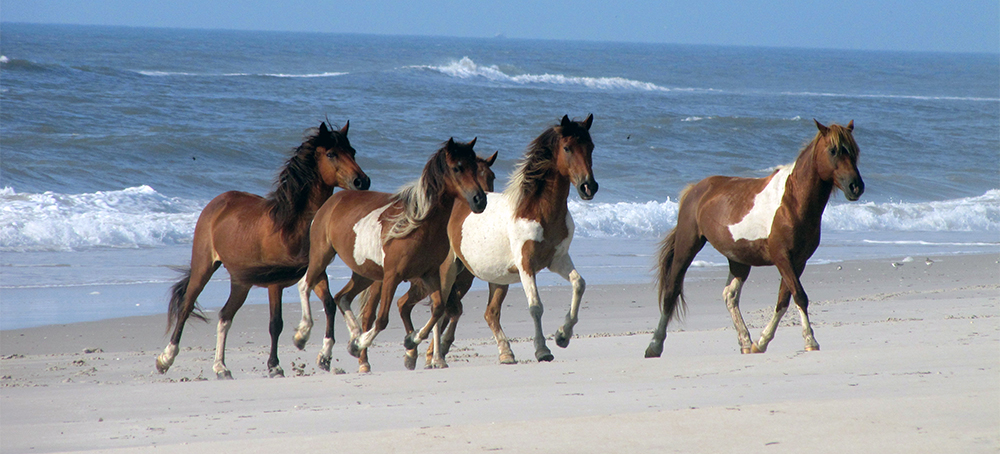
The horses roam freely across sandy beaches, salt marshes, pine forests, and grassy dunes. Each side of the island has its own rules and management for the horse population.
How Many Horses Are On Assateague Island?
The number of horses on Assateague Island is not fixed. It changes because of births, deaths, removals, and management decisions. As of 2024, the combined population is estimated to be about 300 horses. These are split between Maryland and Virginia sections.
| Area | Estimated Horse Population (2024) | Management Authority |
|---|---|---|
| Maryland | ~80–90 | National Park Service |
| Virginia | ~150–170 | Chincoteague National Wildlife Refuge |
There are also a few dozen horses in holding pens or awaiting adoption, but these are not counted as part of the wild population.
Credit: www.nps.gov
Why Does The Number Change?
The horse population on Assateague Island changes because of several factors:
- Natural births and deaths: Foals are born each year, and older horses die naturally.
- Management actions: Horses may be removed or adopted out to keep the population healthy and the ecosystem balanced.
- Weather events: Storms, flooding, and harsh winters can affect survival.
- Disease and injury: Illnesses or injuries sometimes reduce the herd size.
Managers aim to keep the population within certain limits to protect the island’s plants, wildlife, and the horses themselves.
History Of Assateague Horses
The story of the Assateague horses is full of mystery and legend. Some believe the horses descended from Spanish shipwreck survivors in the 1600s. Others say farmers brought their livestock to the island to avoid fencing laws and taxes.
What is known for sure is that horses have lived on Assateague for centuries. Over time, they adapted to the harsh conditions of the island, becoming smaller and tougher. Today, they are often called Chincoteague ponies in Virginia and Assateague horses in Maryland, but they are the same breed.
The population was once much higher, but overgrazing, disease, and human activity led to management changes to protect both the horses and the island.
Credit: www.virginiaplaces.org
How Are The Horses Managed?
The two main sections of Assateague Island use different methods to manage their horse populations:
Maryland Section
In Maryland, the horses are considered wild and are not owned by any organization. The National Park Service lets them roam freely but limits their numbers to prevent damage to the island’s ecosystem.
To control the population, mares (female horses) receive a contraceptive vaccine called PZP. This prevents pregnancies and helps keep the herd size stable. The goal is to have about 80–90 horses in Maryland.
Virginia Section
In Virginia, the horses are owned by the Chincoteague Volunteer Fire Company. The herd is managed more closely and is called Chincoteague ponies.
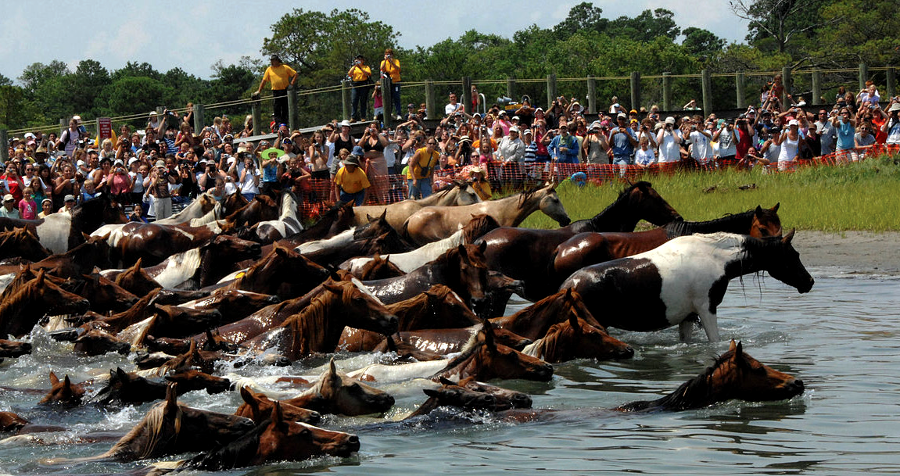
Each year, there is a famous event called the Pony Swim, where horses are rounded up, swim across a channel, and some foals are auctioned to raise money and manage herd size. The target is to keep about 150–170 horses on the Virginia side.
| Section | Population Control Method | Ownership Status |
|---|---|---|
| Maryland | Contraceptive vaccine (PZP) | Wild, unmanaged |
| Virginia | Pony Swim & Auction | Owned by Chincoteague Volunteer Fire Company |
Why Are Horse Numbers Limited?
Assateague Island is a delicate ecosystem. Too many horses can cause problems:
- Overgrazing: Horses eat grasses, shrubs, and trees, which can destroy habitats for birds, turtles, and other wildlife.
- Erosion: Loss of plants means sand and soil wash away, changing the landscape and threatening water quality.
- Horse health: When food is scarce, horses suffer from malnutrition and disease.
Managers use science-based methods to keep the population at a level that supports healthy horses and a healthy island.
How Is The Population Counted?
Counting wild horses is not easy. Staff use a mix of methods:
- Aerial surveys: Planes or drones fly over the island and take photos to count horses.
- Ground surveys: Rangers and volunteers walk or drive through the island, marking sightings.
- Individual identification: Many horses have unique markings, names, or tags, making it easier to track them.
Surveys are done at least once a year, sometimes more often, especially after storms or major events.
What Makes Assateague Horses Unique?
Assateague horses are not like most domestic breeds. They have adapted to survive in a harsh, salty, windy environment:
- Small size: Most stand between 12–14 hands tall (about 48–56 inches). This is why they are often called ponies.
- Thick coats: Their fur is dense to protect against cold and wet weather.
- Strong hooves: They walk on sand, shells, and marsh, so their feet are tougher than most horses.
- Salt tolerance: They drink brackish (slightly salty) water and eat salty plants.
These adaptations let them live where most horses could not.
Annual Pony Swim And Auction
The Pony Swim is a highlight for fans and locals. Every July, the Chincoteague Volunteer Fire Company rounds up the Virginia herd. The horses swim across a channel from Assateague to Chincoteague Island, watched by crowds.
After the swim, foals are auctioned to new owners. This tradition keeps the population manageable and raises money for fire company and local charities. Only foals are sold; adult horses return to the island.
This event is unique and draws visitors from around the world.
Challenges Facing Assateague Horses
Living wild is not easy. Assateague horses face several challenges:
- Hurricanes and storms: Flooding, strong winds, and loss of food can threaten survival.
- Heat and drought: Summers are hot, and water can be scarce.
- Human interaction: Feeding, approaching, or disturbing horses can cause stress or illness.
- Inbreeding: Small populations can lead to genetic problems.
Managers work hard to monitor health, genetics, and the environment. Sometimes new horses are brought in to improve genetic diversity.
What Do Assateague Horses Eat?
The diet of Assateague horses is simple but tough. They mainly eat:
- Saltmarsh cordgrass
- Beach grass
- Bayberry
- Sea oats
- Shrubs and leaves
Because the food is salty and not very nutritious, horses eat large amounts. They drink from ponds, ditches, or puddles, many of which are brackish or salty. This can cause them to look bloated but is normal for their lifestyle.
Impact Of Horses On Assateague Island
Wild horses have a big effect on the island’s ecosystem. They help shape the landscape:
- Grazing: Keeps plant growth low, opens areas for birds and small animals.
- Seed spreading: Horses eat plants and spread seeds in their droppings.
- Soil disturbance: Their hooves break up soil, sometimes helping new plants grow.
But too many horses can harm the island. This is why the population is carefully managed.
Assateague Horse Population Over Time
The number of horses has changed over the decades. In the early 1900s, there were probably fewer than 50 horses. As fences and development increased on the mainland, more were brought to the island.
In the 1970s and 1980s, the population peaked, with hundreds of horses causing damage. Management efforts began, and numbers dropped to healthier levels.
Here’s a look at population trends:
| Year | Maryland Population | Virginia Population | Total |
|---|---|---|---|
| 1970 | ~120 | ~170 | ~290 |
| 1985 | ~100 | ~200 | ~300 |
| 2000 | ~90 | ~170 | ~260 |
| 2024 | ~85 | ~160 | ~245 |
The numbers are always approximate because wild herds are hard to count exactly.
Visiting Assateague Island: What To Know
If you want to see the horses, Assateague Island welcomes visitors all year. Here are some tips:
- Stay safe: Horses are wild. Stay at least 40 feet away. Do not feed or touch them.
- Bring binoculars: Horses roam freely, and you may need to look from a distance.
- Timing: Early morning or late evening are best for sightings.
- Follow rules: Signs and park staff will guide you. Respect wildlife and the environment.
The island is beautiful, with sandy beaches, hiking trails, and campgrounds. The horses are just part of the experience.
Myths And Legends About Assateague Horses
Many stories surround the Assateague horses. The most famous is the Spanish shipwreck legend. Some believe horses swam to shore after a ship sank in the 1600s.
Another myth is that farmers left their animals to avoid taxes. While it’s hard to prove, what matters most is that the horses have lived wild here for a very long time.
The horses also inspired the book “Misty of Chincoteague” by Marguerite Henry. This children’s classic helped make the Pony Swim famous and brought attention to the herd.
Genetic Studies And Breed Origins
Researchers have studied Assateague horses to learn about their origins. DNA tests show they are related to breeds from the Iberian Peninsula (Spain and Portugal) and domestic American stock.
Their unique genetics make them valuable for conservation. Managers sometimes bring in new horses to improve diversity and prevent health problems linked to inbreeding.
How To Help Protect Assateague Horses
You can support Assateague horses by:
- Following park rules: Never feed or approach wild horses.
- Supporting conservation groups: Donate or volunteer with organizations working to protect the horses.
- Educating others: Share information about the importance of keeping the herd healthy and wild.
Wildlife managers and volunteers work hard to balance the needs of horses and the ecosystem. Visitors play a key role by respecting boundaries.
Non-obvious Insights About Assateague Horse Population
Most people assume the horses are just left alone to roam. But in reality, active management is needed to prevent overpopulation, disease, and habitat damage. The use of contraceptive vaccines in Maryland is a modern solution that helps avoid the need for painful roundups or removals.
Another insight is that the horses are not genetically pure. Over time, domestic horses have been added to the population. This blending helps keep the herd healthy but means the “wild” horses are a mix of domestic and feral ancestry.
Differences Between Assateague And Chincoteague Ponies
Although the names are used interchangeably, there are subtle differences:
- Location: Assateague horses are on the Maryland side, Chincoteague ponies are on the Virginia side.
- Ownership: Assateague horses are considered wild and unmanaged, Chincoteague ponies are owned by the fire company.
- Management: Maryland uses vaccines; Virginia uses roundups and auctions.
The animals themselves are very similar, but their lives and management differ.
Population Control: Why Not Let Nature Decide?
Some visitors wonder why managers don’t let nature take its course. The answer is that Assateague Island is small, and horses have no natural predators. Without control, the population would grow until food runs out, leading to suffering and starvation.
Active management, using science and tradition, keeps the herd healthy and the island balanced.
Effects Of Climate Change
Climate change affects Assateague Island in several ways:
- Rising sea levels: Flooding can reduce grazing areas and fresh water.
- Storm intensity: Stronger hurricanes threaten horse safety and habitat.
- Heat waves: Hotter summers stress horses and reduce food.
Managers are studying these changes and adjusting plans to keep the population safe.
Community Involvement And Education
Local communities play a big role in protecting Assateague horses. The Chincoteague Volunteer Fire Company runs the Pony Swim and auction. Schools and clubs teach about conservation. Volunteers help with surveys, cleanup, and education.
Connecting people with the horses helps build support for long-term protection.
Credit: www.npca.org
Comparing Assateague Horses To Other Wild Horses
Assateague horses are one of several wild horse populations in the US. How do they compare?
| Wild Horse Population | Location | Estimated Numbers | Management Approach |
|---|---|---|---|
| Assateague Horses | Assateague Island (MD/VA) | ~300 | Vaccines, roundups, auctions |
| Onaqui Mustangs | Utah | ~500 | Roundups, adoptions |
| Shackleford Banks Ponies | North Carolina | ~100 | Birth control, monitoring |
| Wild Nevada Mustangs | Nevada | Thousands | Roundups, holding pens |
Assateague horses stand out because of their long history and unique management traditions.
Role Of Assateague Horses In Local Economy
The presence of wild horses boosts tourism. Visitors come to see the herds, attend the Pony Swim, and enjoy the island’s natural beauty. Local shops, hotels, and restaurants benefit from this interest.
The annual auction raises money for the fire company and supports community projects. The horses are a key part of the region’s identity.
Recent Changes And Future Outlook
In recent years, managers have focused on:
- Using better contraceptive methods
- Improving genetic diversity
- Reducing human-horse conflict
- Monitoring climate impacts
The future looks stable if current management continues. But ongoing challenges include funding, habitat changes, and balancing public interest with conservation.
Frequently Asked Questions
How Many Horses Live On Assateague Island Today?
There are about 300 horses on Assateague Island in 2024. This includes around 85 horses in Maryland and 160 horses in Virginia. Numbers change slightly each year due to births, deaths, and management actions.
Are The Horses Wild Or Owned?
Horses in Maryland are considered wild and unmanaged. In Virginia, the herd is owned by the Chincoteague Volunteer Fire Company. Both are managed to keep populations healthy and balanced.
Why Do Managers Use Contraception For The Horses?
Managers use contraception to control population growth without the need for stressful roundups or removals. The PZP vaccine prevents mares from getting pregnant, keeping numbers stable and protecting the island’s ecosystem.
What Happens To Foals Sold At The Auction?
Foals sold at the annual auction are adopted by new owners. They go to farms, ranches, or homes across the US. Only foals are sold; adult horses return to the island after the Pony Swim.
Can I Visit Assateague Island And See The Horses?
Yes, visitors are welcome all year. There are campgrounds, trails, and beaches. You can see horses, but stay a safe distance and follow park rules. Feeding or touching horses is not allowed.
Assateague Island’s horses are a living reminder of nature’s resilience and beauty. With careful management, these wild herds will continue to thrive for generations to come. For more detailed information, you can visit the National Park Service Assateague Island website.