
Have you ever wondered what truly sets a horse apart from a unicorn? At first glance, they might seem similar, but the differences go far beyond just a single horn.
Understanding these differences can change the way you see myths, nature, and even your favorite stories. If you want to discover what makes the unicorn so magical compared to the everyday horse, keep reading. This simple guide will clear up the mystery and surprise you with facts you never expected.
Origins Of Horses
Horses have a long history that stretches back millions of years. Their story begins in ancient forests and grasslands. Over time, horses changed to survive new environments. These changes shaped the animals we see today. Understanding horse origins helps explain their role in culture and life.
Evolution And Domestication
Horses first appeared about 50 million years ago. Early horses were small and had multiple toes. They lived in forests and ate leaves. Over millions of years, horses grew bigger and faster. Their toes merged into single hooves for running on open land.
Humans began domesticating horses around 6,000 years ago. Domestication started in the steppes of Central Asia. People used horses for riding, carrying loads, and pulling carts. This partnership changed human travel and farming forever.
Roles In Human History
Horses helped humans explore new lands. They were key to trade and communication across distances. In war, horses gave armies speed and power. Many cultures honored horses in stories and art. The horse remains a symbol of strength and freedom today.
Origins Of Unicorns
The origins of unicorns stretch deep into ancient history. These creatures appear in myths from many cultures. Unlike real horses, unicorns come from stories and legends. Understanding their origins helps us see why unicorns are special in tales.
Unicorns symbolize purity, magic, and mystery. Their stories have changed over time. Let’s explore where the idea of unicorns began and what they mean in different cultures.
Mythological Roots
Unicorns first appeared in ancient myths from Asia and Europe. Early texts describe a horse-like animal with one horn. This horn had magical powers. Some stories say it could heal sickness and purify water.
Greek writers spoke of a strong, wild creature in India. Medieval Europeans believed unicorns were real but very rare. These stories mixed facts about animals with fantasy. The unicorn became a symbol of something pure and untouchable.
Cultural Significance
Different cultures gave unicorns unique meanings. In China, they symbolized good luck and protection. In Europe, they often represented innocence and grace. Unicorns appeared in art, tapestries, and religious symbols.
People used unicorns to teach lessons about virtue and truth. They became a sign of hope and wonder. This deep cultural significance keeps unicorn stories alive today.
Physical Traits Compared
Comparing the physical traits of horses and unicorns reveals clear differences. Both creatures share some similarities, but unicorns have unique features that set them apart. Understanding these traits helps to see why unicorns stand out in myths and stories.
Horse Characteristics
Horses have strong, muscular bodies made for running and carrying loads. Their coats come in many colors, such as brown, black, white, and gray. Horses have manes and tails made of long hair. Their faces are broad with big eyes and ears. Horses have four sturdy legs ending in hooves. They do not have any horns or other unusual features.
Unicorn Features
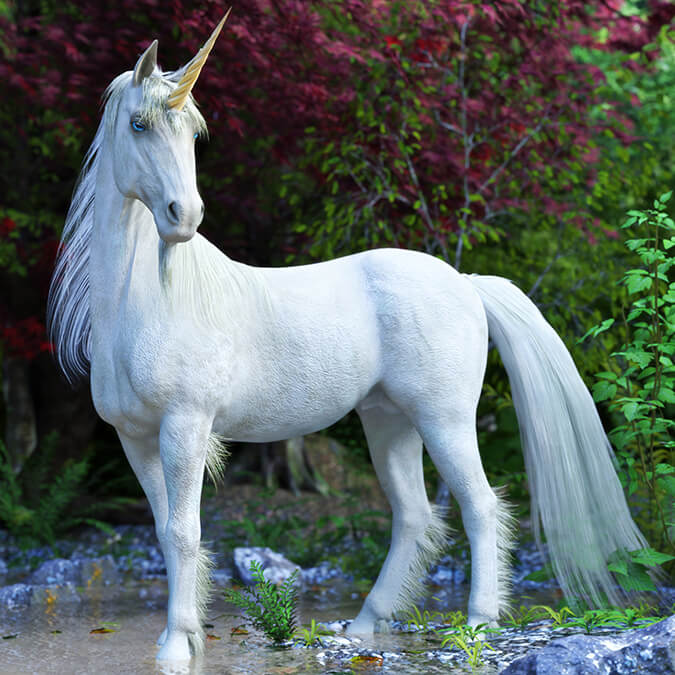
Unicorns look like horses but with magical traits. The most famous trait is a single spiraled horn on the forehead. This horn is usually long, sharp, and glowing in stories. Unicorns often have white or shimmering coats, symbolizing purity. Their manes and tails sometimes sparkle or flow like silk. Unicorns are shown as graceful and elegant, with a mystical aura. Their legs are slender but strong, adding to their magical charm.
Symbolism And Meaning
Symbolism plays a big role in how we see horses and unicorns. Both animals carry deep meanings in stories and cultures. Their symbols tell us about beliefs and values from past to present. Understanding these symbols helps us see their true essence beyond just looks.
Horse Symbolism
Horses often symbolize strength and freedom. They represent power and hard work. Many cultures see horses as loyal companions. They show courage and endurance in tough times. Horses also stand for travel and adventure. They carry dreams of new journeys and change.
Unicorn Symbolism
Unicorns symbolize purity and magic. They are signs of hope and wonder. People see unicorns as rare and special. They represent innocence and goodness. Unicorns often appear in stories of healing. Their horn means protection and power.
Depictions In Art And Literature
Art and literature have long captured the essence of horses and unicorns. These creatures appear in many stories and paintings. Each holds a unique place in culture and imagination. Their depictions reveal how people view reality and fantasy. Exploring these images helps us understand their differences better.
Horses In Stories And Art
Horses have featured in art for thousands of years. Ancient cave paintings show horses as symbols of strength and freedom. In stories, horses often represent loyalty and courage. They carry heroes and help in battles. Artists paint horses in natural poses, showing muscles and movement. Horses appear in portraits, landscapes, and historical scenes. Their realistic depiction connects them to everyday life and human history.
Unicorns In Myth And Fantasy
Unicorns appear mostly in fantasy and myth. They are shown as white horses with a single horn on their forehead. Their images are less realistic and more magical. Unicorns symbolize purity, mystery, and magic. In literature, unicorns are rare and hard to catch. Paintings and stories show them in enchanted forests or near magical springs. Their depiction inspires wonder and dreams beyond the real world.

Credit: www.goodreads.com
Scientific Evidence Vs Myth
The difference between horses and unicorns lies in science and myth. Horses are real animals with clear scientific proof. Unicorns come from stories and beliefs passed down through time.
Understanding this difference helps us see how nature and imagination shape what we know. Science gives facts based on evidence. Myths tell us about culture and dreams.
Fossils And Biological Facts
Horses have lived on Earth for millions of years. Scientists study fossils to learn their history. These bones show how horses changed over time. Horses have one hoof on each foot and strong muscles for running. Their teeth and digestive system suit eating plants.
Unicorns lack fossils or any biological proof. No bones or remains of unicorns exist in real life. Scientists find no evidence of a horse with a single horn. Unicorns do not fit in the animal classification system.
Legends And Folklore Origins
Unicorns appear in many old stories from different cultures. These tales describe a horse-like creature with a horn on its forehead. People believed unicorns had magic powers and healing abilities. Such stories grew from imagination and symbolism.
Legends may reflect hopes, fears, and lessons of past societies. Unicorns often symbolize purity, strength, or mystery. These myths live on in books, art, and movies, feeding human wonder. Horses, by contrast, are part of daily life and work.
Modern Cultural Impact
The modern cultural impact of horses and unicorns shows how both still hold special places in our world. Horses have served humans for centuries, shaping history and daily life. Unicorns, though mythical, capture imagination and inspire creativity. Each has a unique role in culture, art, and entertainment today.
Horses In Today’s World
Horses remain important for sports, farming, and therapy. People ride horses for fun and competition. They also help in ranch work and police duties. Horses connect us to nature and history. They appear in movies and books as symbols of strength and freedom. Their real presence continues to influence many lives.
Unicorns In Pop Culture
Unicorns symbolize magic, hope, and dreams. They appear in cartoons, toys, and fashion. Children love unicorn-themed products and stories. Adults use unicorns to express creativity and fun. Unicorns also feature in movies and games as magical creatures. Their image sparks joy and wonder worldwide.
Credit: www.arturbanstatue.com

Credit: thetucsonpuppetlady.com
Frequently Asked Questions
What Are The Main Physical Differences Between Horses And Unicorns?
Horses are real animals with no horns. Unicorns are mythical creatures resembling horses but with a single horn on their forehead. The horn distinguishes unicorns and symbolizes purity and magic in legends.
Are Unicorns Based On Real Animals Like Horses?
Unicorns are purely mythical and do not exist in reality. They are inspired by horses but have magical qualities and a horn, unlike real horses. Unicorns appear in folklore and fantasy stories worldwide.
How Do Horses And Unicorns Differ In Symbolism?
Horses symbolize strength, freedom, and nobility in many cultures. Unicorns represent purity, magic, and rarity. Unicorns are often seen as mystical beings, while horses are practical animals used in transportation and work.
Can Horses And Unicorns Be Used Interchangeably In Stories?
No, horses and unicorns serve different roles in stories. Horses are realistic and grounded, while unicorns add fantasy and magic. Their distinct traits create unique themes in literature and art.
Conclusion
Horses and unicorns share some features but differ greatly. Horses are real animals you can see and touch. Unicorns belong to myths and stories, often shown with a horn. People love unicorns for their magic and mystery. Horses help with work, sports, and travel.
Knowing these differences makes both creatures more interesting. Whether real or imagined, each has its own special place. The magic of unicorns and the strength of horses both inspire us.