
You want the best for your horse, and feeding is a big part of that. But when it comes to riding, you might wonder: should you feed your horse before or after the ride?
The answer isn’t as simple as it seems. Feeding at the wrong time can affect your horse’s energy, digestion, and overall comfort. You’ll discover the key reasons why timing matters, so you can make the best choice for your horse’s health and performance.
Keep reading to find out what experts say and how you can improve your horse’s routine today.

Credit: www.yourhorse.co.uk
Feeding Basics For Horses
Feeding horses is a key part of their care. Good feeding habits keep horses healthy and strong. Understanding how and when to feed can help avoid health problems. Proper feeding supports energy and recovery after riding.
Knowing a horse’s digestion and daily feeding needs is important. This knowledge helps decide the best feeding schedule around riding times. Let’s explore the basics of horse feeding.
Horse Digestion Insights
Horses have a unique digestive system. They digest food slowly and need regular small meals. Their stomach is small compared to their body size. This means horses cannot eat large meals at once.
Their digestion relies on fiber from grass and hay. Fiber helps keep the gut working well. Sudden changes in diet can cause stomach problems. Feeding before or after exercise affects digestion and energy.
Common Feeding Schedules
Most horses eat two to three times a day. A typical schedule includes morning and evening feedings. Some horses need small snacks during the day too. Consistency in feeding times helps their digestion.
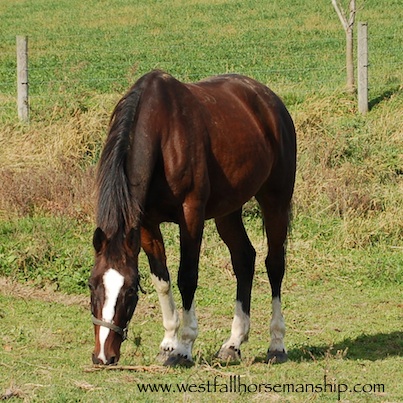
Feed types include hay, grains, and supplements. The amount depends on the horse’s size, work, and health. Avoid feeding a big meal right before riding. After exercise, give time for rest before feeding a full meal.
Credit: stacywestfall.com
Feeding Before Riding
Feeding your horse before riding requires careful thought. The timing and type of food can affect your horse’s energy and comfort during the ride. Horses need fuel to perform well, but too much or the wrong food can cause problems. Understanding the best way to feed your horse before riding helps keep them healthy and happy.
Benefits Of Pre-ride Meals
Feeding your horse before riding gives them energy. A small meal helps maintain steady blood sugar levels. This keeps your horse alert and responsive. Pre-ride meals can improve stamina and performance. It also helps prevent your horse from feeling hungry or stressed. A light snack can calm nerves before exercise.
Risks And Precautions
Feeding too much before riding can cause discomfort. Large meals may lead to stomach pain or colic. Heavy food can make your horse sluggish or tired. Avoid feeding right before intense exercise to reduce risks. Allow time for digestion, usually 1-2 hours. Choose easy-to-digest foods like hay or small grain portions.
Feeding After Riding
Feeding your horse after riding is an important part of their care routine. It helps your horse recover and keeps them healthy. Understanding the best time to feed after exercise improves your horse’s comfort and digestion.
Advantages Of Post-ride Feeding
Feeding after riding helps replace energy lost during exercise. It supports muscle recovery and reduces fatigue. Your horse stays hydrated and gains nutrients needed for repair. Feeding after work also calms the digestive system. It prevents stomach problems that can happen if a horse eats before hard exercise.
Ideal Waiting Times
Wait at least 30 minutes after riding before feeding. This time lets your horse cool down and relax. Feeding too soon can cause colic or choking. After the wait, offer small amounts of water first. Then provide hay or grain gradually. This careful timing keeps your horse safe and healthy.
Credit: nutrenaworld.com
Factors Influencing Feeding Time
Feeding your horse at the right time helps keep it healthy and strong. Several factors affect when to feed before or after riding. Understanding these can improve your horse’s energy and digestion.
Horse Age And Health
Young horses need more frequent, smaller meals for steady energy. Older horses may digest food slower and need easier feed. Horses with health issues like colic or ulcers require special feeding schedules. Tailoring feeding time to your horse’s condition keeps it comfortable.
Ride Intensity And Duration
Short, light rides need less pre-ride food. Long or hard rides demand more energy, so feeding earlier helps. Heavy exercise on a full stomach can cause discomfort or cramps. Timing meals to match ride effort protects your horse’s well-being.
Type Of Feed
High-fiber hay digests slower, so feed this well before riding. Grains and concentrates provide quick energy but may upset the stomach if fed too close to exercise. Wet feed or soaked hay helps hydration and digestion. Choose feed type and timing for comfort and performance.
Practical Tips For Feeding
Feeding your horse at the right time can affect its health and performance. Practical tips help you choose the best feeding routine. Understanding feeding basics keeps your horse happy and strong.
Safe feeding protects your horse’s stomach and digestion. Watching your horse’s body and behavior helps you spot problems early. Adjusting feed supports your horse’s energy and work level.
Safe Feeding Practices
Feed small amounts before riding. Large meals can cause stomach pain during exercise. Wait at least one hour after feeding before riding.
Give water before and after rides. Avoid sudden changes in diet. Introduce new feeds slowly over several days. Keep feeding times consistent to reduce stress.
Signs Of Digestive Issues
Look for signs like colic, diarrhea, or loss of appetite. Watch for changes in manure texture or frequency. A dull coat and weight loss can also signal problems.
Check if your horse is restless or biting its belly. These signs need quick attention from a vet. Early action prevents serious health issues.
Adjusting Feed For Performance
Increase energy feeds before intense exercise. Use high-fiber hay for longer rides. Give extra electrolytes during hot weather or heavy work.
Reduce feed amounts after light exercise. Avoid feeding too close to rest time. Tailor feed based on your horse’s workload and condition.
Frequently Asked Questions
Should I Feed My Horse Before Or After Riding?
Feeding your horse after riding is generally best. It helps prevent digestive problems and allows the horse to cool down. Feeding before riding can cause discomfort or colic. Always provide water during and after exercise for proper hydration.
How Long Should I Wait To Feed My Horse After Riding?
Wait at least 30 to 60 minutes after riding before feeding. This pause helps the horse’s digestion and prevents colic. It also allows the horse’s heart rate to return to normal. Feeding too soon can lead to discomfort and health issues.
What Type Of Feed Is Best Post-ride For Horses?
Provide easily digestible forage like hay or grass after riding. Avoid heavy grains immediately post-exercise. Light meals help replenish energy and aid recovery. Fresh water should always be available. Consult a vet for specific dietary needs.
Can Feeding Before Riding Affect My Horse’s Performance?
Yes, feeding right before riding can cause discomfort and reduce performance. A full stomach may make your horse sluggish or uneasy. Feeding small amounts 1-2 hours before riding is safer. Proper timing supports better focus and stamina.
Conclusion
Feeding your horse at the right time helps keep it healthy and happy. Give food at least an hour before riding to avoid stomach problems. After riding, offer water first, then a light meal to help recovery. Watch your horse’s behavior and adjust feeding as needed.
Every horse is different. Your care makes a big difference in your horse’s comfort and performance. Simple steps lead to better rides and a strong, happy horse.