
Are you eager to improve your horse riding skills but unsure how often you should take lessons? Finding the right balance is key to making steady progress without feeling overwhelmed.
Whether you’re a beginner or looking to polish your technique, knowing the ideal lesson frequency can save you time and frustration. You’ll discover the best schedule to boost your confidence, build your strength, and truly enjoy every ride. Keep reading to find the perfect rhythm for your horse riding journey.

Credit: www.happycomlysporthorses.com
Factors Influencing Lesson Frequency
Several factors affect how often you should take horse riding lessons. These factors help create a lesson plan that fits your needs. Understanding them improves your progress and enjoyment.
Each rider is unique. Your situation shapes the best frequency for lessons. Let’s explore key factors to consider.
Rider Experience Level
Beginners benefit from frequent lessons. They need time to learn basics and build confidence. Twice a week can help beginners improve steadily.
Intermediate riders might take lessons once a week. This frequency allows practice and skill refinement. Advanced riders may take lessons less often, focusing on specific goals.
Personal Goals
Your goals affect lesson frequency. Want to ride for fun? One lesson a week might be enough. Preparing for competitions? More frequent lessons will help.
Some riders want to improve specific skills. They may need extra lessons or practice sessions. Clear goals help set a suitable schedule.
Physical Fitness
Riding requires strength and balance. Your fitness level influences how often you can ride. Beginners may need rest days between lessons.
Fit riders handle more frequent lessons better. They recover quickly and ride longer. Building fitness helps increase lesson frequency over time.
Horse Availability
Access to horses affects lesson scheduling. Riding schools may have limited horses for lessons. Popular times can be busy, limiting lesson slots.
Owning a horse offers more flexibility. You can ride more often, based on your time and energy. Horse care is also a factor in planning lessons.
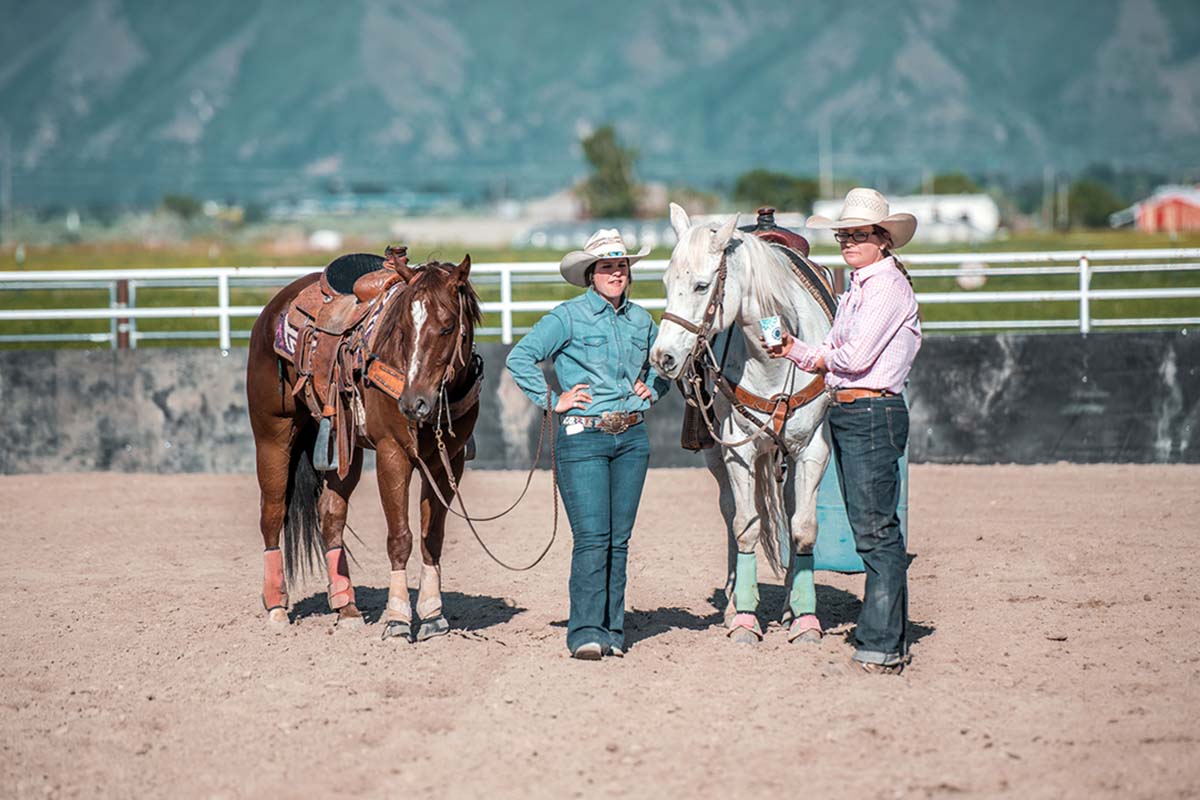
Credit: mynewhorse.equusmagazine.com
Weekly Lesson Options
Weekly horse riding lessons help build skill steadily. Regular practice keeps riders safe and confident. Choosing the right lesson plan depends on your current level. Each stage has different needs for progress and rest. Here are common weekly lesson options by skill level.
Beginner Schedules
Beginners often take one lesson each week. This pace gives time to learn basics and rest. Lessons usually last 30 to 45 minutes. Beginners focus on balance, control, and horse care. Extra practice off the horse improves riding faster.
Intermediate Plans
Intermediate riders benefit from two lessons per week. This frequency builds strength and improves technique. Lessons may last 45 to 60 minutes. Riders start working on more advanced skills. Practice between lessons helps develop muscle memory.
Advanced Rider Routines
Advanced riders often train three or more times weekly. Longer sessions of 60 minutes or more are common. These riders focus on precision and complex movements. Frequent lessons refine skills for competition or performance. Rest days prevent injury and keep horses healthy.
Balancing Practice And Rest
Balancing practice and rest is key to improving horse riding skills. Too much riding can cause tiredness and slow progress. Not enough practice can delay learning and confidence. Finding the right balance helps riders stay healthy and enjoy their lessons more.
Avoiding Overtraining
Riding every day can wear out your body and mind. Muscles need time to recover from exercise. Overtraining can lead to aches, injuries, and frustration. It is important to schedule lessons in a way that prevents burnout. Quality matters more than quantity in practice.
Incorporating Rest Days
Rest days help your body heal and grow stronger. Taking breaks between lessons improves focus and energy. On rest days, try light activities like walking or stretching. These activities keep you active without strain. Rest is part of training, not a break from it.
Listening To Your Body
Your body sends signals when it needs a break. Pay attention to pain, stiffness, or tiredness. Ignoring these signs can cause injury or longer recovery. Adjust your riding schedule based on how you feel. Resting when needed helps you ride better in the long run.
Supplementing Lessons With Practice
Practice is key to improving horse riding skills. Lessons provide guidance, but extra practice helps build confidence and muscle memory. Regular practice outside lessons speeds progress and deepens understanding. Riders can use several methods to practice safely and effectively.
Independent Riding Tips
Riding alone helps reinforce skills learned during lessons. Start with simple exercises like walking and trotting. Focus on balance and seat position. Ride in safe areas with familiar horses. Keep sessions short to avoid fatigue. Always wear a helmet and safety gear. Track your progress by noting what feels easier or harder.
Groundwork And Conditioning
Groundwork builds trust and communication with the horse. Practice leading, lunging, and grooming regularly. These activities improve horse obedience and rider control. Conditioning exercises help both horse and rider stay fit. Stretching and strength exercises prevent injury. Spend time on flexibility and core strength. Strong muscles support better riding posture and control.
Using Simulators And Videos
Riding simulators offer a safe way to practice at home. They help improve balance and timing without a horse. Watch videos of skilled riders to learn new techniques. Pause and replay to understand movements better. Record your rides to spot areas for improvement. Use visual feedback to build better habits. Technology adds value to traditional practice methods.
Adjusting Frequency Over Time
Adjusting the frequency of horse riding lessons over time helps riders improve steadily. Riding is a skill that grows with practice and rest. Changing lesson frequency suits different stages of learning and life events. This approach keeps training effective and enjoyable.
Progress Tracking
Track your progress to know when to change lesson frequency. Note skills you gain and challenges you face. Regular checks show if you need more practice or rest. This helps keep learning balanced and avoids burnout.
Adapting To Changes
Life changes affect how often you can ride. Work, school, or health may limit your time. Adjust lesson frequency to fit new schedules. Flexibility keeps riding part of your routine without stress.
Setting New Challenges
Set new goals to decide lesson frequency. More lessons help reach harder goals faster. Slower pace works for maintenance or casual riding. New challenges motivate you to keep improving safely.

Credit: stridesforsuccess.com
Expert Tips For Maximizing Lessons
Maximizing horse riding lessons helps you improve faster and enjoy riding more. Small changes in how you take lessons make a big difference. Focus on quality, not just quantity. Use expert tips to get the best from each session. This way, every lesson moves you closer to your riding goals.
Choosing The Right Instructor
Pick an instructor who suits your skill level and learning style. A good teacher explains clearly and stays patient. They notice your mistakes and help you fix them. Trust and comfort with your instructor build confidence. Ask for recommendations or try a trial lesson first.
Goal-oriented Sessions
Set clear, simple goals for each lesson. Goals keep you focused and motivated. Start with basics like balance and control. Progress to riding skills like turns and trot. Review your goals after each lesson. Adjust them as you improve to stay challenged.
Effective Communication
Talk openly with your instructor about what you find hard. Ask questions when you don’t understand something. Share your feelings about the horse and the lesson pace. Listen carefully to feedback and practice tips. Good communication speeds up learning and builds trust.
Frequently Asked Questions
How Many Horse Riding Lessons Are Ideal Per Week?
For beginners, 1-2 lessons weekly build skills steadily. Intermediate riders benefit from 2-3 lessons to improve techniques. Advanced riders may take lessons 3-5 times weekly for mastery. Consistency and practice outside lessons also enhance progress effectively.
Can I Improve With Monthly Horse Riding Lessons?
Monthly lessons offer some improvement but progress is slow. Frequent lessons provide better muscle memory and riding confidence. For faster skill development, aim for at least biweekly sessions. Supplement lessons with personal practice for best results.
How Long Should Each Horse Riding Lesson Last?
Most horse riding lessons last between 30 to 60 minutes. Beginners often start with shorter lessons to build stamina. Longer lessons suit experienced riders focusing on advanced skills. Quality and focus matter more than lesson length.
Is Daily Horse Riding Practice Necessary For Beginners?
Daily practice isn’t mandatory but helps accelerate learning. Beginners should balance riding with rest to avoid fatigue. Consistent weekly lessons combined with some daily practice ensure steady improvement. Listening to your body is essential to prevent overtraining.
Conclusion
Regular horse riding lessons help build skill and confidence steadily. Consistency matters more than rushing through lessons. Riding once or twice a week suits most beginners well. More frequent lessons benefit those with specific goals or events. Always listen to your body and horse to avoid burnout.
Enjoy the learning process and celebrate small progress. Remember, patience and practice lead to better riding over time. Find a lesson routine that fits your schedule and keeps you motivated. This way, riding remains fun and rewarding every step of the way.