
Pros And Cons of Using a Tie down on a Horse, If you own or work with horses, you’ve probably wondered whether using a tie down is the right choice for your horse’s training and safety. A tie down can offer control and support, but it might also come with risks you need to know about.
Before you decide to use one, it’s important to understand both the benefits and the drawbacks. This article will help you see the full picture so you can make the best decision for your horse’s comfort and well-being. Keep reading to find out how a tie down could affect your horse—and what you should watch out for.
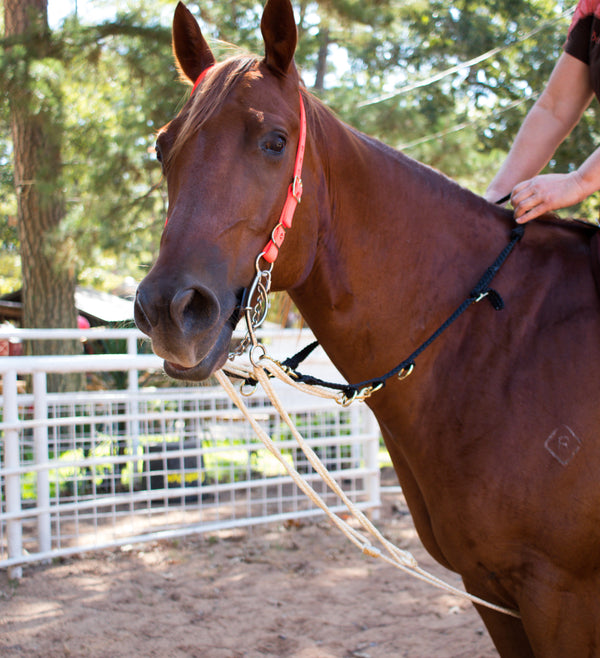
Credit: barrelracers.com
Benefits Of Using A Tie Down
Using a tie down on a horse offers several benefits. It helps riders manage their horses better. Horses can be strong and sometimes hard to control. A tie down gives more control and keeps both horse and rider safe.
It also helps improve training and correct unwanted behaviors. These benefits make the tie down a useful tool in many riding situations.
Improved Control And Safety
A tie down helps keep the horse’s head in a safe position. This control reduces the chance of sudden movements. It helps the rider stay balanced and secure. The horse feels more guided and less likely to panic. This makes riding safer for both horse and rider.
Enhanced Training Effectiveness
Tie downs help horses learn faster. They guide the horse to keep its head where the rider wants. This focus helps the horse pay attention during training. It also encourages good posture and smooth movements. Trainers use tie downs to teach specific skills clearly.
Support For Behavioral Correction
Some horses develop bad habits like raising their heads too high. Tie downs help correct these behaviors gently. They remind the horse to stay calm and listen. This tool supports better behavior without harsh methods. Over time, the horse learns to respond better to commands.
Potential Drawbacks
Using a tie down on a horse has its challenges. Owners must weigh these potential drawbacks carefully. Understanding these issues helps ensure the horse’s safety and comfort.
Risk Of Discomfort Or Injury
Tie downs can cause discomfort if too tight or placed incorrectly. They may rub against the horse’s skin, causing sores or irritation. Poorly adjusted tie downs can restrict natural movement. This restriction may lead to muscle strain or injury over time.
Possible Negative Behavioral Impact
Some horses may develop bad habits due to tie downs. They might become anxious or stressed. This stress can cause head tossing or resistance. In some cases, horses may associate the tie down with pain. This association can make training harder and less effective.
Limitations In Certain Situations
Tie downs are not suitable for every horse or task. They may limit the horse’s ability to breathe properly during intense exercise. Some riding styles or disciplines do not allow tie downs. They can also be unsafe during activities that require full head movement. Always assess if a tie down fits the specific situation and horse.
Types Of Tie Downs
Tie downs help control a horse’s head and improve safety during riding. Different types serve different purposes. Choosing the right one depends on the horse’s behavior and the rider’s needs.
Standing Martingale
The standing martingale attaches from the girth to the noseband. It stops the horse from raising its head too high. This keeps the rider in control. It works well for horses that pull up suddenly. The standing martingale offers steady control without much movement.
Running Martingale
The running martingale has rings that let the reins move freely. It tightens only when the horse raises its head too high. This gives the horse more freedom than the standing martingale. It helps guide the horse gently without pulling too hard. Many riders prefer it for its flexibility.
Other Variations
Some tie downs combine features of both types. They may include elastic parts for more comfort. Others attach differently for specific riding styles. Each variation offers unique control levels. Riders must understand these to pick the best fit.
Proper Usage Tips
Using a tie down on a horse requires careful attention to safety and comfort. Proper usage helps prevent injury and keeps the horse calm. This section highlights important tips for fitting, timing, and spotting problems.
Fitting And Adjustment
The tie down should fit snugly but not tight. Adjust it so it lies just below the horse’s jaw. Check that it does not press on the throat or restrict breathing. Use soft materials to avoid rubbing or chafing. Make small adjustments before riding to find the right fit.
When To Use Or Avoid
Use a tie down during certain training or riding activities. It helps control head tossing or keeps the horse focused. Avoid using it on young, inexperienced horses. Never use it if the horse shows signs of distress. Remove the tie down immediately if the horse resists or panics.
Signs Of Misuse
Watch for sores or hair loss around the tie down area. Notice if the horse seems uncomfortable or tries to shake the device off. Breathing difficulties or coughing may also indicate misuse. Regularly check the tie down during rides to catch problems early. Proper care prevents harm and promotes trust.
Alternatives To Tie Downs
Using a tie down is common in horse riding for control and safety. Still, some riders want other options. Alternatives to tie downs help keep the horse calm and responsive without discomfort. These methods focus on training, gear, and managing behavior.
Training Techniques
Training builds trust between horse and rider. Groundwork helps horses learn commands and respect space. Teaching horses to respond to light cues reduces the need for tight tack. Consistent training makes horses calmer and easier to handle. Patience and repetition improve their focus and cooperation.
Other Tack Options
Various tack choices offer control without a tie down. A well-fitted noseband can help manage head movement gently. Some riders use a figure-eight or flash noseband for better control. Bitless bridles provide communication without pressure on the mouth. Proper tack fit is key to comfort and effectiveness.
Behavioral Management Strategies
Understanding horse behavior helps prevent problems that need tie downs. Identifying triggers like fear or pain reduces unwanted reactions. Regular exercise keeps horses relaxed and less reactive. Feeding schedules and rest also affect behavior. Calm handling and a quiet environment support better responses.
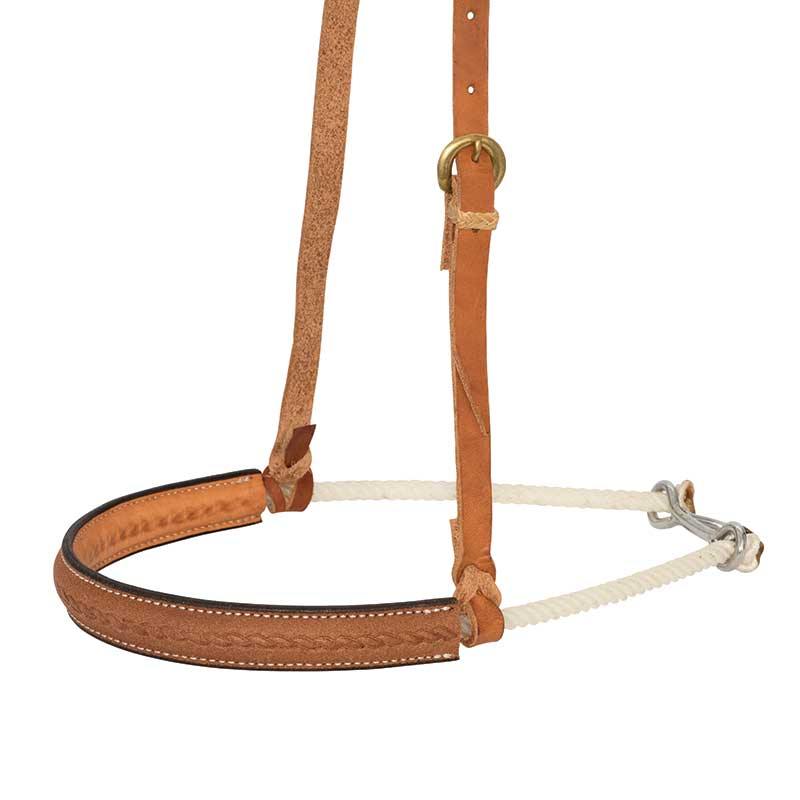
Credit: fgproshop.com

Credit: www.nurphoto.com
Frequently Asked Questions
Pros And Cons of Using a Tie down on a Horse
What Is A Tie Down On A Horse Used For?
A tie down helps control a horse’s head position during riding or training. It prevents the horse from raising its head too high. This can improve rider safety and horse responsiveness. However, it should be used carefully and under professional guidance.
Are Tie Downs Safe For Horses?
Tie downs can be safe if used correctly and moderately. Improper use may cause discomfort or restrict breathing. Always ensure the tie down fits well and does not cause pain. Regular checks and professional advice are essential for safety.
Can Tie Downs Affect Horse Behavior?
Yes, tie downs can influence horse behavior by promoting head lowering. This can improve focus and control during rides. However, some horses may resist or develop negative reactions. Proper training and gradual introduction are important for positive results.
When Should You Avoid Using A Tie Down?
Avoid tie downs if the horse has respiratory or neck issues. Also, do not use them for long periods or without supervision. Young or untrained horses may react poorly. Always consult a veterinarian or trainer before use.
Conclusion
Using a tie down on a horse has clear benefits and some risks. It helps keep the horse calm and focused during rides. But it can cause discomfort or injury if used wrong. Always watch your horse’s behavior closely while using one.
Choose the right fit and adjust it carefully every time. Understanding both pros and cons leads to safer rides. Think about your horse’s needs before deciding to use a tie down. Safety and comfort should always come first for you and your horse.Pros And Cons of Using a Tie down on a Horse.
Ulcers in Horses Signs And Symptoms: Early Warning Signs to Watch