
Horses Introduced to North America, Have you ever wondered how horses first came to roam the vast lands of North America? Understanding their arrival changes the way you see these majestic animals and the history of the continent itself.
This story is full of surprising twists and fascinating facts that will grab your attention from the start. By the time you finish reading, you’ll see horses in a whole new light and appreciate their incredible journey to North America like never before.
Ready to discover the truth behind horses introduced to North America? Let’s dive in.
Early Arrival Of Horses
Horses have a long history in North America. Their early arrival shaped many cultures and landscapes. Understanding this history helps us see their true impact.
Horses first appeared on this continent thousands of years ago. Their journey and fate are both fascinating and surprising.
Migration From Asia
Horses crossed from Asia to North America over a land bridge. This bridge connected Siberia and Alaska during the Ice Age. The animals traveled in herds, searching for food and space. They adapted well to new environments. This migration happened around 2 million years ago. It allowed horses to spread across the continent.
Extinction And Reintroduction
About 10,000 years ago, horses vanished from North America. Scientists believe climate change and hunting caused their extinction. Native peoples lost their valuable resource. Many centuries passed without wild horses here. In the 1500s, Europeans brought horses back. Spanish explorers introduced them to the continent. These horses soon multiplied and spread widely. Their return transformed the culture and daily life of many Native American tribes.

Credit: www.pbs.org
Spanish Conquest And Horses
The Spanish Conquest brought horses back to North America after centuries without them. These animals changed how explorers traveled and how people lived. Horses helped the Spanish move faster and carry more supplies. They became a symbol of power and freedom in the New World.
Role In Exploration
Horses helped Spanish explorers cross vast lands quickly. They carried soldiers, weapons, and food over rough terrain. This speed gave the Spanish an advantage in battles and negotiations. Horses also allowed explorers to map new areas and find resources. Without horses, many regions would have stayed unknown for longer.
Impact On Indigenous Cultures
Native American tribes soon learned to use horses for hunting and travel. Horses changed hunting methods, especially for buffalo. Tribes became more mobile and could follow herds across the plains. Horses also altered trade and warfare among tribes. The arrival of horses reshaped many native ways of life.
Spread Of Wild Horses
Wild horses did not exist in North America before Europeans arrived. Spanish explorers brought horses in the 1500s. Some horses escaped or were released into the wild. These horses found open lands with plenty of food. Over time, they formed wild herds across many regions.
Wild horses adapted well to new environments. Their numbers grew as they spread over large areas. They became part of many Native American cultures. The spread of wild horses changed the landscape and history of North America.
Escape And Adaptation
Many horses escaped from Spanish missions and settlements. These horses had to survive on their own. They learned to find food and water in tough conditions. Over generations, they became strong and fast. Wild horses adapted to deserts, plains, and mountains. Their survival skills helped them thrive far from human care.
Expansion Across The Continent
Wild horses moved from the Southwest to other areas. They spread into the Great Plains and beyond. Herds grew larger and traveled farther each year. Native tribes used horses for hunting and travel. The horses changed how people lived and worked. Today, wild horses roam freely in many parts of North America.
Ecological Impact
Horses were brought to North America by European explorers in the 16th century. Their arrival changed the landscape and the life of many animals. The ecological impact of horses is still seen today. They affected plants, animals, and soil in many ways.
Changes In Prairie Ecosystems
Horses changed the way plants grew on prairies. Their grazing helped some grasses grow stronger. They also trampled the ground, which mixed up the soil. This made new places for plants to grow. Some plants disappeared because horses ate them too much. The balance of prairie plants shifted after horses came.
Interactions With Native Species
Horses affected many native animals. Some animals moved away because horses took their food. Others found new ways to live near horses. Predators like wolves changed their hunting habits. Horses also helped some bird species by making new spaces to nest. The arrival of horses created new relationships among animals in North America.
Cultural Significance
Horses changed many Native American cultures after their introduction to North America. They became more than just animals for work or travel. Horses gained deep cultural importance. They influenced daily life, beliefs, and social roles across various tribes.
Symbolism In Native Societies
Horses symbolized power, freedom, and wealth. Owning horses raised a person’s status in the tribe. Warriors on horseback were seen as brave and strong. Horses also represented connection to nature and the spirit world. Many tribes believed horses had special powers. They often featured in ceremonies and rituals as sacred beings.
Horses In Folklore And Traditions
Stories about horses are common in Native folklore. These tales teach lessons about courage and respect. Horses appear as helpers, guides, or even magical creatures. They often play key roles in traditional dances and festivals. Songs and art celebrate the bond between horses and people. This bond remains important in many Native communities today.
/https://tf-cmsv2-smithsonianmag-media.s3.amazonaws.com/filer_public/4d/20/4d20bdfc-794f-4984-b9eb-b9977cac6fa4/gettyimages-144084091.jpg)
Credit: www.smithsonianmag.com
Modern Wild Horse Populations
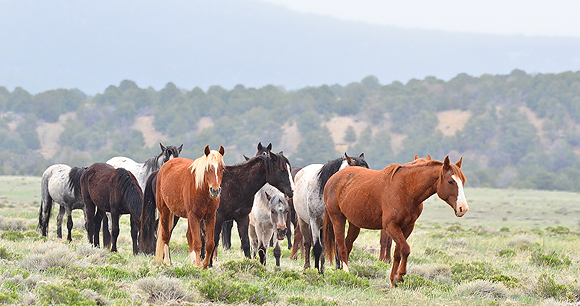
Modern wild horse populations in North America trace back to horses brought by Europeans in the 1500s. These horses escaped or were released and adapted to the wild. Today, they roam in many western states, living freely on public lands.
These horses are often called mustangs. They symbolize freedom and the spirit of the American West. Yet, their presence creates complex issues for land management and wildlife balance.
Conservation Efforts
Many groups work to protect wild horses. They aim to keep herds healthy and prevent overpopulation. The Bureau of Land Management (BLM) manages most wild horses on public lands. They use roundups and adoption programs to control numbers.
Some organizations rescue horses from danger. They provide safe homes and care. Conservation also means protecting the land horses use to live and graze. This helps maintain balance with other wildlife and plants.
Challenges And Controversies
Wild horse populations face many challenges. Overpopulation can damage ecosystems and compete with native species. This leads to debates about how to manage herds fairly.
Some ranchers and hunters see horses as a threat to livestock and game animals. Others argue horses are part of the natural heritage and deserve protection. Finding solutions that satisfy all groups is difficult.
Funding and resources for horse management are often limited. This makes it hard to provide proper care or implement long-term plans. The future of wild horses depends on balancing many competing interests.
Credit: awionline.org
Frequently Asked Questions
Horses Introduced to North America
When Were Horses First Introduced To North America?
Horses were reintroduced to North America by Spanish explorers in the late 15th and early 16th centuries. Before this, horses had been extinct in North America for thousands of years.
Who Brought Horses Back To North America?
Spanish conquistadors brought horses back during their explorations in the early 1500s. They used horses for transportation, hunting, and warfare.
How Did Horses Impact Native American Cultures?
Horses revolutionized many Native American tribes by improving mobility, hunting efficiency, and trade. They became central to Plains tribes’ lifestyles and economies.
Were Horses Native To North America Originally?
Yes, horses originally evolved in North America but became extinct around 10,000 years ago. Modern horses were reintroduced much later by Europeans.
Conclusion
Horses changed life in North America in many ways. They helped people travel faster and work harder. Native cultures grew stronger with horses nearby. These animals became part of the land and history. Learning about their arrival helps us understand the past.
It shows how nature and humans connect over time. Horses remain important to many communities today. Their story continues to inspire and teach us. Horses Introduced to North America.
H And H Equestrian: Ultimate Guide to Elite Horse Riding Gear