
Why Don’T Horses Need Shoes in the Wild, Have you ever wondered why horses living freely in the wild don’t wear shoes? If you think all horses need shoes to protect their feet, you might be surprised.
Understanding why wild horses manage without shoes can change the way you see these amazing animals and their natural strength. You’ll discover the secrets behind their tough hooves and what it means for horses everywhere—whether in the wild or under human care.
Keep reading to unlock the fascinating truth about horses and their feet.
Credit: www.reddit.com
Natural Hoof Structure
Horses in the wild walk many miles each day. Their hooves have a natural design to support this activity. The natural hoof structure helps protect their feet from rough ground. Wild horses do not need shoes because their hooves grow strong and tough on their own.
This natural design allows wild horses to move freely and stay healthy. Their hooves adjust to the surfaces they walk on. This ability keeps them balanced and comfortable without extra support.
Hoof Anatomy In Wild Horses
Wild horse hooves have several important parts. The outer hard shell, called the hoof wall, protects the foot. Inside, the sole and frog cushion the hoof from impact. Blood vessels in the hoof help with shock absorption.
The shape of the hoof spreads the horse’s weight evenly. This reduces stress on joints and muscles. The hoof grows in a way that matches how horses walk and run in nature.
Growth Patterns Without Shoes
Without shoes, wild horse hooves wear down naturally. The hard surfaces they walk on help shape and trim the hoof. This natural wear prevents overgrowth and keeps the hoof balanced.
Hooves grow continuously, but the wear keeps them at the right length. This natural cycle prevents cracks and splits. It also helps wild horses avoid foot pain and injuries.
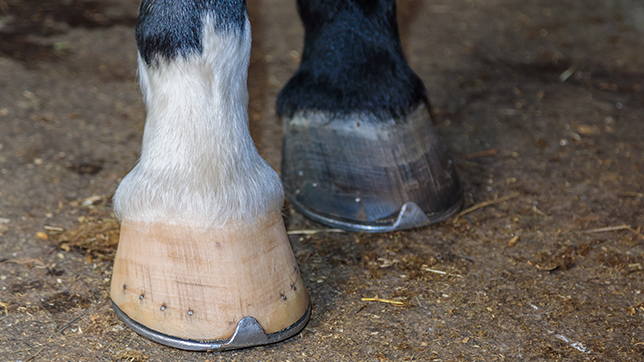
Credit: www.animalfriends.co.uk
Terrain And Movement
Wild horses move over many types of ground. Their hooves change with the land. This helps them stay fast and safe. The way they walk and run also helps keep their feet strong. Understanding these two things shows why horses do not need shoes in the wild.
Impact Of Varied Surfaces
Wild horses walk on soft grass, hard rocks, and dirt paths. Each surface wears their hooves in a natural way. Hard ground makes hooves tough and strong. Soft ground helps keep hooves from cracking. This mix helps horses keep healthy feet all year.
Role Of Constant Movement
Horses in the wild move a lot every day. This constant walking and running helps shape their hooves. Moving often prevents hooves from getting too long or weak. It also improves blood flow to the feet. Strong, well-shaped hooves support all their daily activities.
Self-maintenance Mechanisms
Wild horses do not need shoes because their hooves take care of themselves naturally. Their bodies have built-in ways to keep hooves strong and healthy. These self-maintenance mechanisms work well in nature. They protect horses from injuries and help them move easily on rough ground.
Natural Wear And Tear
Horses in the wild walk on hard, rough surfaces every day. This natural movement causes their hooves to wear down slowly. The constant walking helps keep the hooves at the right length and shape. This natural wear prevents overgrowth and reduces the need for extra protection.
The ground acts like a natural file, smoothing the hooves as horses roam. This process stops cracks and breaks. Strong hooves grow in balance with the horse’s activity, making shoes unnecessary.
Hoof Regeneration Abilities
Horses have a special ability to heal and grow new hoof material. If a hoof gets damaged, cells work quickly to repair it. This regeneration keeps hooves tough and healthy without outside help.
The hoof grows continuously, about half an inch per month. This steady growth replaces old, worn hoof parts. It supports the horse’s weight and protects the foot against rough terrain naturally.
Environmental Factors
Horses living in the wild do not wear shoes. Their hooves adapt naturally to the environment. Different environmental factors shape hoof health and strength. These factors help horses move easily over rough or soft ground.
Climate Influence On Hoof Health
Climate plays a big role in hoof condition. Wet climates make hooves softer and more prone to damage. Dry climates cause hooves to become hard and brittle. Wild horses often travel over mixed terrain, which naturally wears hooves down. This natural wear prevents overgrowth and keeps hooves strong. The balance between moisture and dryness helps maintain healthy hooves.
Diet And Nutrition Effects
Wild horses eat plants that support strong hooves. Their diet includes grasses rich in nutrients and minerals. These nutrients help grow tough, flexible hooves. Horses in the wild graze constantly, which aids digestion and hoof health. Proper nutrition reduces the need for shoeing. Healthy hooves resist cracks and injuries better without shoes.
Comparing Wild And Domesticated Horses
Wild horses and domesticated horses live very different lives. Their environments and daily activities affect their health. One key difference is why wild horses do not need shoes. Comparing these two types helps explain why.
Differences In Lifestyle
Wild horses roam freely over rough land. They travel many miles each day. This constant movement naturally wears down their hooves. The hooves stay strong and healthy because of this natural wear.
Domesticated horses live in stables or small pastures. They walk less and often on soft ground. This limited movement reduces natural hoof wear. Their hooves can become weak or grow unevenly.
Hoof Problems In Domesticated Horses
Domesticated horses often face hoof problems. Soft or cracked hooves are common. These issues happen because hooves do not wear down naturally. Horseshoes protect hooves from damage on hard or rough surfaces.
Without shoes, domesticated horses might feel pain walking. Shoes support their hooves and prevent injury. This need for protection does not exist for wild horses. Their lifestyle keeps their hooves healthy naturally.
Lessons From Wild Horses
Wild horses live without shoes. Their feet stay strong and healthy naturally. They move daily over varied lands. This constant movement shapes their hooves perfectly. Nature provides everything they need for strong feet.
Studying wild horses helps us understand natural hoof care. It shows how horses can thrive without shoes. Their lifestyle offers important lessons for horse owners. We can learn to support healthy hooves without relying on shoes.
Adapting Natural Care Practices
Wild horses wear no shoes but keep tough hooves. Their feet grow and wear down evenly. They walk on hard and soft surfaces. This natural balance prevents cracks and overgrowth. Owners can mimic this by regular trimming and varied terrain.
Feeding a balanced diet supports hoof health. Clean, dry environments reduce infections. Natural movement and care improve hoof strength. Simple changes in care can lead to healthier, shoe-free horses.
Minimizing Shoe Dependence
Many horses wear shoes for protection and support. Wild horses show shoes are not always needed. Strong hooves come from good care, not metal shoes. Reducing shoe use lowers risks of injuries and infections.
Encouraging natural hoof growth helps horses stay sound. Using boots or pads only when necessary protects without damage. Learning from wild horses guides us to healthier, shoe-free hooves.
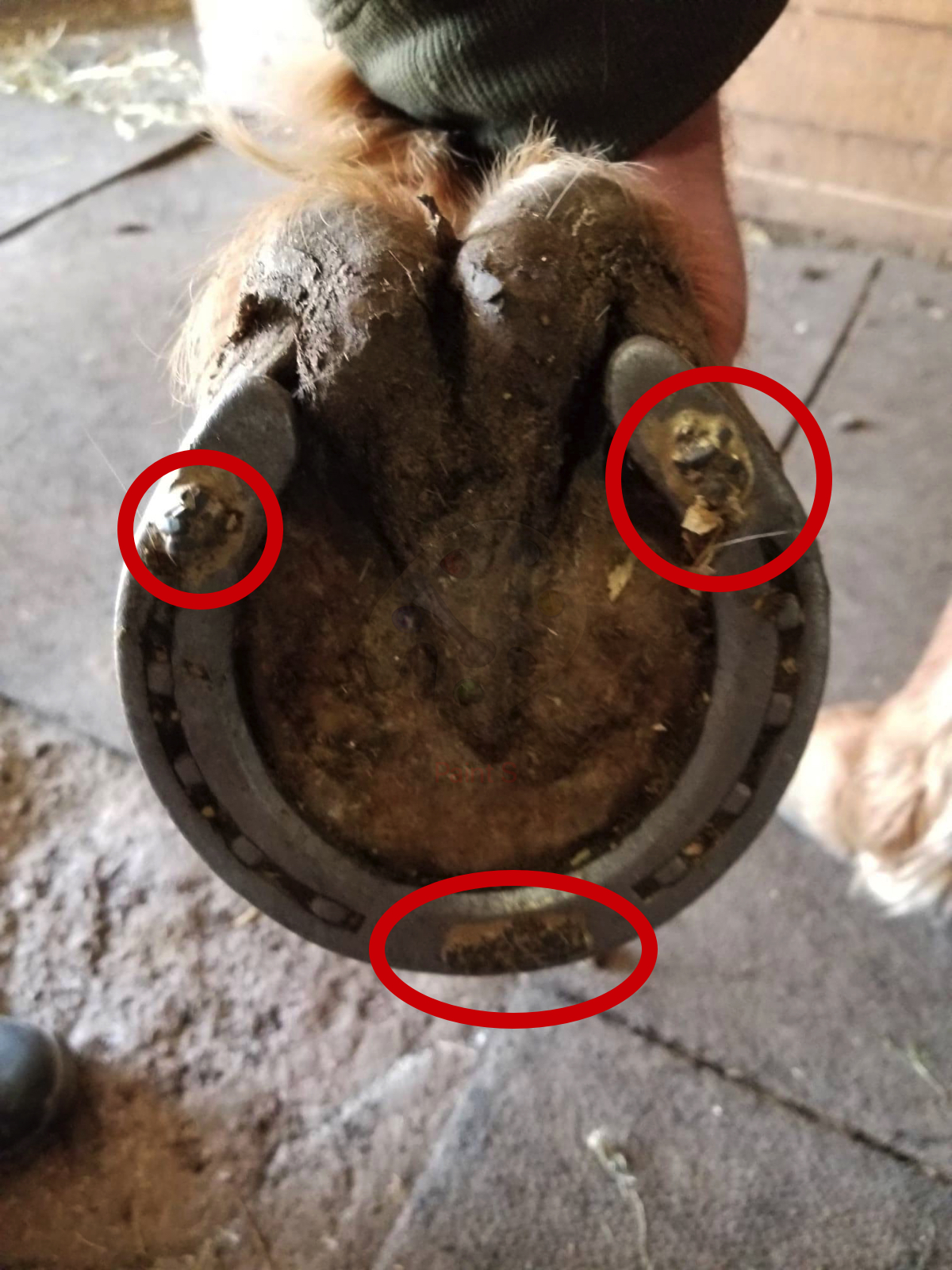
Credit: mtcreekstable.com
Frequently Asked Questions
Why Don’T Horses Need Shoes in the Wild
Why Don’t Wild Horses Need Shoes?
Wild horses develop strong, tough hooves naturally. Their constant movement on varied terrain strengthens their feet. Shoes are unnecessary since their hooves wear evenly and adapt to the environment, providing natural protection and traction without human intervention.
How Do Wild Horses Protect Their Hooves?
Wild horses have thick, dense hoof walls and soles. Their hooves self-trim through regular walking and running. This natural wear prevents cracks and damage, ensuring durability and shock absorption on rough surfaces without the need for shoes.
What Causes Domesticated Horses To Need Shoes?
Domesticated horses often face harder surfaces and less movement. This environment can cause hoof wear, cracks, or injuries. Shoes protect their hooves, provide traction, and support hoof health, compensating for limited natural wear and softer hoof quality.
Can Wild Horse Hooves Heal Naturally?
Yes, wild horse hooves heal naturally with proper movement. Regular walking stimulates blood flow and hoof growth. The natural terrain helps remove damaged tissue and encourages healthy, strong hoof development without human treatment.
Conclusion
Wild horses grow strong hooves without shoes. Their feet adapt naturally to rough ground. Shoes help only with human work or sport. Nature provides everything horses need to stay healthy. Their hooves wear down evenly as they roam. No shoes mean less risk of injury or infection.
Wild horses show us how to care for hooves. Simple, natural, and effective. This balance works well in the wild. Shoes suit only some domestic horse needs. Nature’s design is smart and practical. Why Don’T Horses Need Shoes in the Wild.
Horses Aren’T Real Car Sticker: Fun, Bold, and Eye-Catching Designs