
Have you ever wondered where you can find horses roaming freely in the wild? Imagine seeing these majestic animals in their natural habitat, moving gracefully across open plains or rugged landscapes.
If you’re curious about where wild horses live and how you can spot them, this article is made just for you. Keep reading to discover the best places to find wild horses and what makes these incredible creatures so special in the untamed world.
Your adventure to witness wild horses starts here.
Wild Horses In North America
Wild horses roam many parts of North America. They live freely in different environments. These horses are descendants of those brought by early explorers. Today, they are part of the continent’s natural beauty and history.
Mustangs Of The American West
Mustangs are the most famous wild horses in North America. They live mostly in the western United States. These horses are strong and fast. They survive harsh weather and rugged lands. Mustangs live in groups called bands. Each band has a leader, usually a stallion.
The Bureau of Land Management cares for many mustangs. They help keep the population healthy. Mustangs are symbols of freedom and the wild frontier.
Assateague Island Ponies
Assateague Island ponies live on the East Coast. These small horses roam the beaches and marshes. The ponies are known for their tough survival skills. Saltwater, storms, and limited food challenge them. They have thick coats in winter to stay warm.
The ponies attract many visitors each year. People come to see these wild horses in their natural home. They remind us of nature’s power and beauty.
Canadian Wild Horses
Canada has its own wild horses, mostly in Alberta. These horses live in open plains and foothills. They are hardy animals that handle cold winters well. Canadian wild horses often travel long distances for food and water.
Conservation groups work to protect these horses. They help keep the herds safe from harm. These horses represent Canada’s wild and untamed lands.

Credit: en.wikipedia.org
Europe’s Free-roaming Horses
Europe hosts several unique free-roaming horse populations. These horses live in natural habitats across different countries. They show great adaptation to the wild. Their presence adds to Europe’s rich wildlife diversity.
Each group has its own history and traits. These horses are important for nature and culture. Visitors can often see them in protected parks and reserves.
Camargue Horses In France
The Camargue horses live in the wetlands of southern France. They are small, hardy, and usually white. These horses have roamed the marshes for centuries. They thrive in salty, wet environments. Their calm nature helps local farmers manage cattle.
Exmoor Ponies In The Uk
Exmoor ponies are one of the oldest wild horse breeds in Britain. They live mainly on Exmoor, a moorland in southwest England. These ponies have thick coats to survive cold winters. They are shy but curious. Their population helps maintain the heathland environment.
Konik Horses In Poland
Konik horses are native to Poland’s forests and wetlands. They are small, sturdy, and often gray or dun-colored. Koniks are close relatives of wild horses from prehistoric times. They play a role in preserving natural grasslands. These horses live mostly in reserves like Białowieża Forest.
Wild Horses In Asia
Asia hosts some of the rarest wild horses on Earth. These horses live in vast, open lands and harsh climates. They survive without human care. Their stories show nature’s strength and beauty. Many people find these horses fascinating and want to learn more about them.
Przewalski’s Horses In Mongolia
Przewalski’s horses are the only true wild horses left today. They live mainly in Mongolia’s steppes. These horses are small and sturdy with a thick mane. They were once extinct in the wild but have been reintroduced. Now, they roam freely in protected areas. They eat grass and shrubs and travel in small herds. Their survival is a big success for wildlife conservation.
Takh Horses Of Central Asia
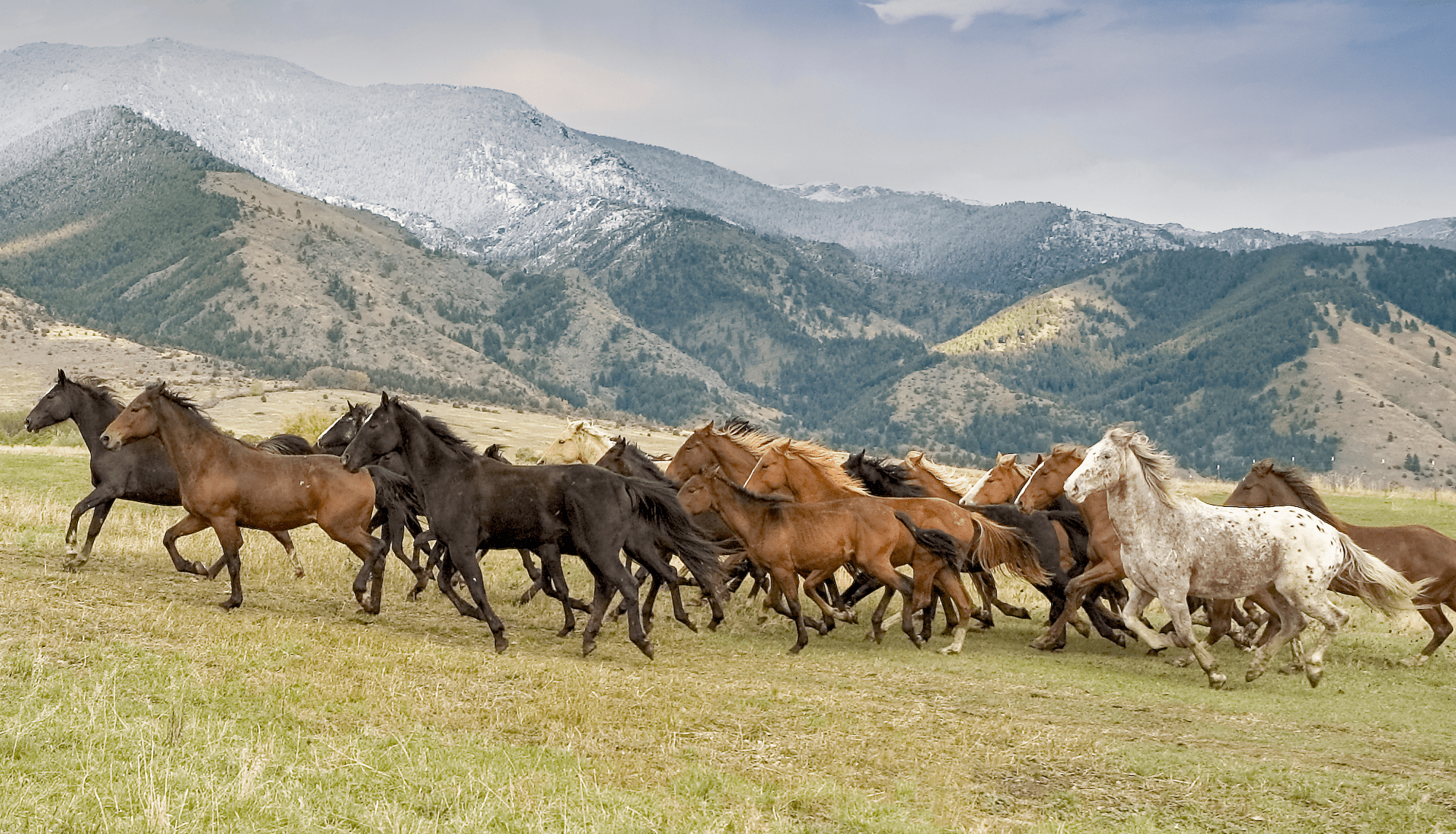
Takh horses are native to Central Asia, especially Tajikistan. They are rare and live in mountainous areas. These horses are tough and adapted to cold weather. They have short legs and strong bodies for climbing. Takh horses live in small groups to stay safe. They graze on mountain grasses and herbs. Protecting them helps keep Central Asia’s wild landscapes alive.
Credit: peer.org
Australia’s Brumby Herds
Wild horses roam free in many parts of Australia. These horses are called Brumbies. They live in the wild and have adapted well to the Australian environment.
Brumbies are a symbol of the Australian outback. They add life and movement to the rugged landscapes. Many people enjoy seeing these wild horses in their natural homes.
Origins Of Brumbies
Brumbies came from horses brought by early European settlers. These horses either escaped or were set free. Over time, they formed wild herds across the country.
The horses mixed with each other and changed to suit the wild. They became strong and tough, ready to survive the harsh conditions.
Key Locations To Spot Brumbies
Brumbies live mostly in mountainous and forested areas. The Australian Alps are famous for their herds. Kosciuszko National Park is one place to see them.
The Northern Territory and Queensland also have wild Brumby herds. These horses roam over large areas, making them a special sight for visitors.
South America’s Wild Horses
South America hosts unique wild horses that roam freely across vast landscapes. These horses have adapted to different climates and terrains. They offer a glimpse into the continent’s rich natural history. Two notable groups stand out for their wild presence and resilience.
Patagonian Wild Horses
Patagonia is home to wild horses known as “rucas.” They live in the southern part of Argentina and Chile. These horses descended from those brought by Spanish settlers centuries ago. Over time, they escaped and formed wild herds.
Patagonian wild horses survive harsh weather and tough land. They graze on native grasses and find water in streams. Their strong legs help them run fast to avoid predators. These horses play a vital role in the ecosystem.
Feral Horses In The Pampas
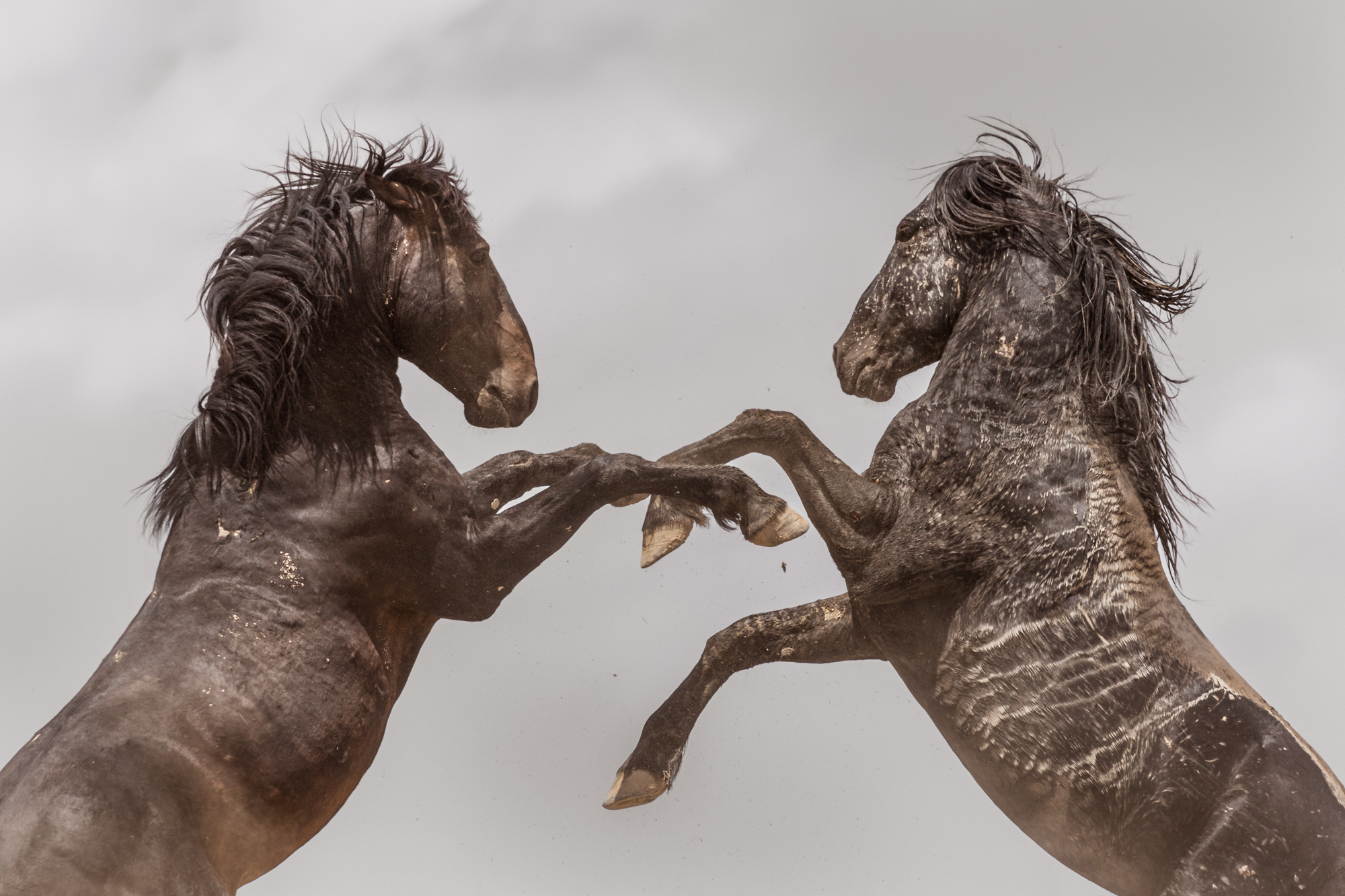
The Pampas region is a vast plain covering parts of Argentina, Uruguay, and Brazil. Here, feral horses roam freely across grasslands. They originate from horses once used by farmers and ranchers.
These horses live in small groups and adapt well to open fields. They feed on grasses and shrubs found in the Pampas. Feral horses help maintain the balance of plant life in the area. They also attract wildlife watchers and photographers.
Credit: americanwildhorse.org
Conservation Efforts
Conservation efforts play a key role in saving wild horses. These efforts help keep horses safe and their homes healthy. Many groups work hard to protect wild horses and the land they live on. These efforts also help balance nature and support wildlife.
Protecting Wild Horse Habitats
Wild horses need large areas to roam and find food. Protecting these habitats is very important. Conservation groups work to stop land from being destroyed. They also prevent pollution and harmful activities. This keeps the environment safe for horses and other animals. Protected habitats help horses live freely and naturally.
Challenges Facing Wild Horses
Wild horses face many problems. Their land is often taken for farming or building. Sometimes, they compete with other animals for food and water. People may capture or harm them. Harsh weather can also make survival hard. Conservation groups try to solve these problems. They work to give horses space and keep them healthy.
Tips For Spotting Wild Horses
Finding wild horses in their natural homes can be exciting. Knowing when and how to spot them helps make the experience better. Wild horses live in many places like open plains and forests. They often stay where food and water are easy to find. Watching quietly and patiently improves your chance to see them.
Wild horses are shy. Sudden moves or loud noises can scare them away. Being calm and respectful lets you enjoy their beauty without disturbing them. Here are some useful tips to help you see wild horses safely and clearly.
Best Times To Visit
Early morning or late afternoon is the best time to see wild horses. They are more active during these cooler hours. Midday is hotter and horses often rest in shaded areas. Visiting in spring or fall can increase sightings. These seasons offer mild weather and more horse activity. Check local weather and daylight hours before planning your trip.
Respectful Wildlife Viewing
Keep a safe distance from wild horses. Use binoculars or a zoom lens to get a closer look. Avoid loud talking or sudden movements. Do not try to feed or touch the horses. Stay on marked trails to protect their habitat. Wild horses need space to feel safe. Respecting their environment helps keep them wild and free.
Frequently Asked Questions
Where Are Wild Horses Commonly Found Globally?
Wild horses mainly roam in North America, Australia, and parts of Europe. They thrive in open plains, deserts, and grasslands. These regions offer ample food and water. Protected areas and reserves also support their populations.
How Do Wild Horses Survive In Harsh Environments?
Wild horses adapt by grazing on tough grasses and finding water sources. They form herds for protection and social structure. Their strong hooves help navigate rough terrain. Seasonal migration helps them access better resources.
What Are The Main Threats To Wild Horses?
Wild horses face threats like habitat loss, hunting, and competition with livestock. Climate change also affects their food and water availability. Conservation efforts aim to reduce these threats and protect their habitats.
Can You Spot Wild Horses In National Parks?
Yes, many national parks have wild horse populations. Parks like the American West’s Pryor Mountains offer viewing opportunities. Visitors can observe horses in natural habitats while following park rules. Guided tours increase chances of sightings.
Conclusion
Wild horses roam in many parts of the world. You can find them in plains, deserts, and mountains. Some live in protected parks or reserves. These horses survive without human care. Watching them shows nature’s strength and beauty. Remember, wild horses need space and respect.
Visiting their habitats teaches us to protect wildlife. Seeing them in the wild is a special experience. Keep exploring to learn more about these amazing animals.