
If you’ve ever wondered how to keep your horse more controlled and comfortable during rides, understanding when to use a martingale is key. You might have seen these pieces of tack but aren’t sure if or when they’re right for your horse.
Using a martingale at the right time can make a big difference in your riding experience and your horse’s behavior. You’ll discover exactly when a martingale can help you and your horse work better together—without causing confusion or discomfort. Keep reading to learn how to make the best choice for your riding style and your horse’s needs.
Types Of Martingales
Martingales are useful tools that help control a horse’s head movement. Different types fit different needs and riding styles. Understanding each type can improve safety and comfort for both rider and horse.
Each martingale works in a unique way. Choosing the right one depends on the horse’s behavior and the activity.
Standing Martingale
The standing martingale stops the horse from raising its head too high. It attaches from the noseband to the girth. This martingale stays fixed and does not move much. It is common in show jumping and eventing. It helps keep control without harsh pulling.
Running Martingale
The running martingale allows more freedom. It has two straps that run through the reins. It tightens only if the horse raises its head too high. This type gives more control but lets the horse move naturally. Riders often use it in dressage and jumping.
Irish Martingale
The Irish martingale is different from the others. It is a short strap with rings for the reins. It prevents the reins from going over the horse’s head. It does not control the head height. This martingale is popular in racing and polo.
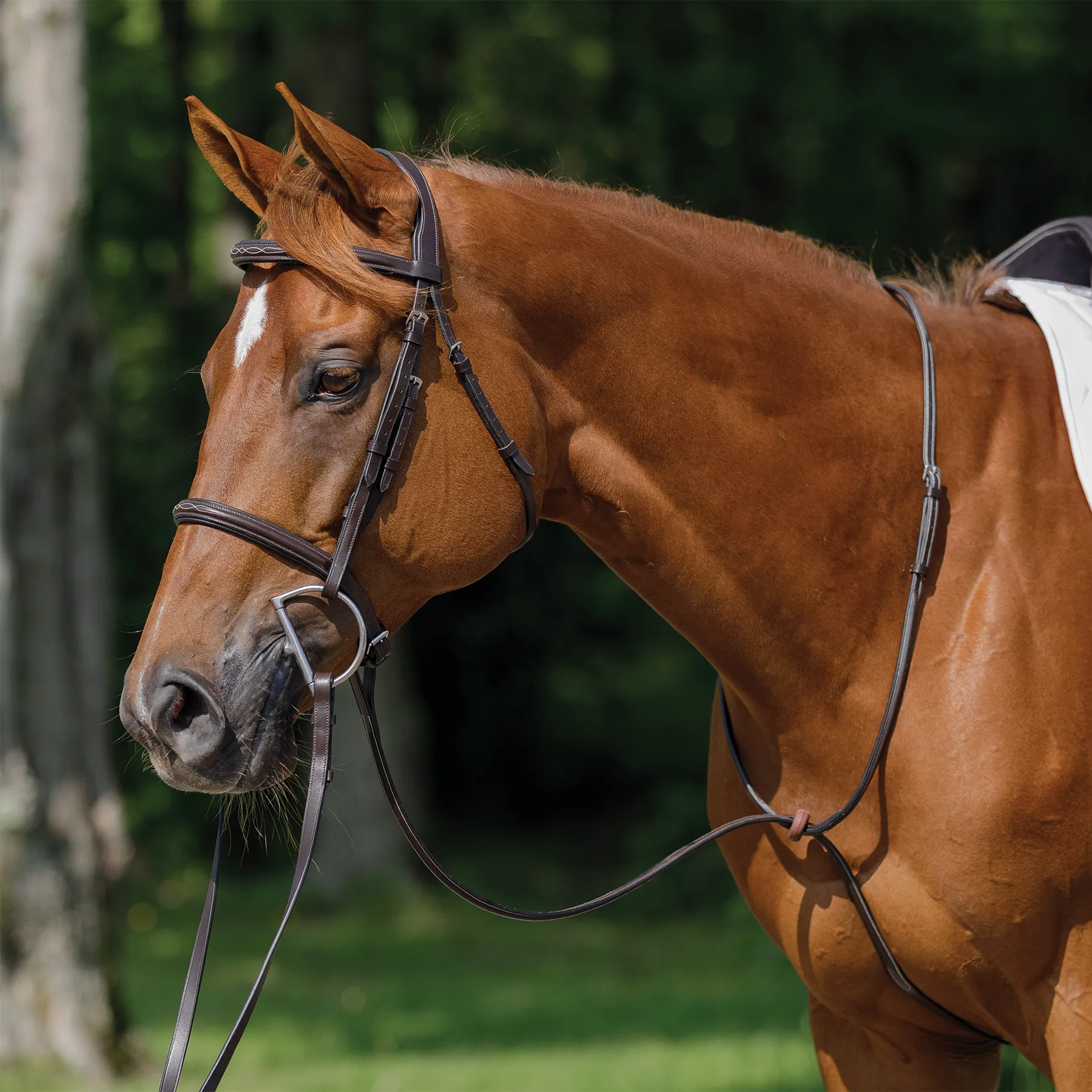
Credit: www.sstack.com
Benefits Of Using A Martingale
A martingale is a useful tool for horse riders. It helps improve control and safety during rides. It also supports training by guiding the horse’s head position. Many riders use it to stop unwanted behaviors like head tossing.
Using a martingale can make riding smoother and safer for both the rider and the horse. It keeps the horse more focused and calm, which is important in many riding situations.
Control And Safety
A martingale helps the rider control the horse’s head. It stops the horse from raising its head too high. This control reduces the chance of the rider losing balance. It also prevents the horse from pulling too hard on the reins. This makes the ride safer for both rider and horse.
Training Aid
Martingales guide horses to keep their heads in the right position. This helps young or inexperienced horses learn better control. It teaches the horse to respond gently to rein pressure. Trainers use it to build good riding habits early. It supports smooth and clear communication between horse and rider.
Preventing Head Tossing
Some horses toss their heads as a reaction to discomfort or confusion. A martingale helps stop this by limiting head movement. This keeps the horse calm and focused. It also protects the rider from sudden head movements. Using a martingale reduces distractions and improves riding quality.
When To Use A Martingale
Knowing when to use a martingale is important for safe and effective riding. A martingale helps control a horse’s head position. It prevents the horse from raising its head too high. This control makes riding safer and more comfortable for both horse and rider.
Choosing the right time to use a martingale depends on the horse’s behavior and the riding activity. Some horses need extra control, while others do not. Understanding these situations helps riders decide if a martingale is the right tool.
During Jumping Exercises
Jumping requires good control of the horse’s head. A martingale stops the horse from throwing its head up during jumps. This helps keep balance and focus. Riders can guide the horse more easily over fences. It also reduces the risk of the horse avoiding jumps by raising its head too much.
For Young Or Green Horses
Young or green horses are still learning to respond well to reins. They may raise their heads too high or pull. A martingale encourages proper head position. It helps teach the horse to stay steady. Using a martingale here supports training without harsh correction.
Managing Strong Or Excitable Horses
Strong or excitable horses can be hard to control. They might toss their heads or pull suddenly. A martingale gives the rider better control over these movements. It helps calm the horse and keep it focused. This control improves safety during riding and training.

Credit: www.farmhousetack.com
Fitting And Adjusting A Martingale
Fitting and adjusting a martingale is important for your horse’s comfort and safety. A well-fitted martingale helps control the horse without causing pain or distraction. It also improves the horse’s performance by allowing clear signals from the rider. Proper fitting takes time and patience to get it right.
Proper Length And Position
The martingale should be the right length for your horse. It must not be too tight or too loose. The rings of the martingale should sit just below the horse’s throatlatch. The straps should allow enough movement without pulling the reins down too much. Check that the martingale hangs evenly on both sides.
Checking Comfort And Safety
Comfort is key for your horse to accept the martingale. Watch for signs of irritation or rubbing on the neck and chest. Make sure the straps do not pinch or press hard on sensitive areas. The horse should move freely without feeling restricted. Always test the martingale at a walk before riding.
Common Fitting Mistakes
Many riders make simple fitting errors. A martingale that is too short can cause pain and limit breathing. Too long and it won’t control the horse effectively. Avoid twisting the straps or attaching the martingale incorrectly. Regularly check the fit as the horse’s body changes over time.
Alternatives To Martingales
Martingales help control a horse’s head movement. Yet, some riders prefer other methods. These alternatives can work better for certain horses or situations. They often focus on comfort and control without using a martingale.
Different Tack Options
Other tack can help manage a horse’s head. A running or standing martingale is common but try a neck strap or a figure-eight noseband. These tools give control but feel lighter on the horse. Some horses respond well to a shadow roll or a cavesson noseband. Choose tack that fits the horse’s needs and comfort.
Training Techniques
Training can reduce the need for a martingale. Teach the horse to keep its head steady with ground work. Use gentle cues and rewards to encourage good behavior. Consistent riding builds trust and control. Training helps the horse learn self-control without extra equipment.
Consulting A Professional
Seek advice from a trainer or vet. They see many horses and know what works best. A professional can suggest the right tack or training. They help find safe and effective solutions. Getting expert help prevents problems and improves riding.

Credit: www.horseandhound.co.uk
Rules And Regulations
Using a martingale on a horse requires understanding the rules and regulations. These rules keep both horse and rider safe. They also ensure fair competition. Different events and places have unique guidelines. Knowing these helps avoid penalties or disqualification.
Competition Guidelines
Most horse shows have clear rules about martingales. Some allow only certain types, like the standing or running martingale. Others restrict the use during specific classes. Judges may check martingales before the ride. Incorrect use can lead to losing points or removal from the event.
Regional Differences
Rules vary by country and region. European events often have strict regulations. In the United States, rules can differ by state or organization. Some places ban certain martingales in youth classes. Always check local rules before competing. This avoids surprises and keeps your ride smooth.
Ethical Considerations
Using a martingale must always respect the horse’s comfort. It should never cause pain or restrict natural movement. Over-tightening is harmful and unethical. Trainers and riders must prioritize the horse’s welfare. Proper use helps control, but never at the horse’s expense.
Frequently Asked Questions
What Is A Martingale In Horse Riding?
A martingale is a tack piece used to control a horse’s head movement. It helps prevent the horse from raising its head too high. This improves rider safety and communication with the horse. Martingales are common in jumping and eventing disciplines.
When Should I Use A Martingale On My Horse?
Use a martingale when your horse frequently raises its head too high. It helps maintain proper head position and control. Martingales are useful during jumping or fast-paced riding. Always ensure proper fitting to avoid discomfort or injury.
Are There Different Types Of Martingales?
Yes, common types include standing and running martingales. Standing martingales have a fixed length and limit head height strictly. Running martingales allow more freedom and apply pressure only when needed. Choose based on your horse’s behavior and riding style.
Can A Martingale Affect My Horse’s Comfort?
If fitted correctly, a martingale should not cause discomfort. Poor fit or misuse can cause pain or restrict breathing. Regular checks and adjustments ensure your horse stays comfortable. Always consult a knowledgeable trainer when introducing a martingale.
Conclusion
Using a martingale helps keep your horse safe and comfortable. It controls the horse’s head without causing pain. Use it when the horse tends to raise its head too high. Always check the fit before riding. A well-fitted martingale improves communication between rider and horse.
It supports better control during training or riding. Remember, the martingale is a tool, not a solution by itself. Pay attention to your horse’s behavior and needs. This simple aid can make riding smoother and safer for both.