
Are you eager to witness the wild beauty of horses roaming freely? Knowing the best time to see horses at Assateague can make all the difference in your visit.
Imagine standing just feet away from these majestic creatures as they graze or gallop across the sandy shores. But when exactly should you plan your trip to catch these unforgettable moments? Keep reading to discover the perfect time to experience Assateague’s iconic horses up close and make your visit truly magical.
Assateague Horses: An Overview
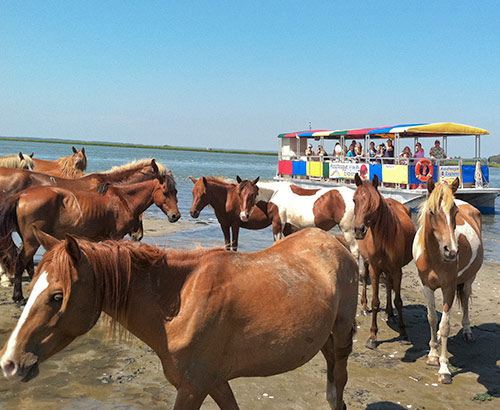
The Assateague horses are a unique sight along the Atlantic coast. These wild ponies roam freely on Assateague Island. Visitors come from far and wide to see them in their natural habitat. Understanding their background helps you appreciate their presence more. The ponies’ lives are shaped by nature and history alike.
These horses are tough and adapted to island life. They survive harsh weather and scarce food. Watching them graze on the beach or in marshes is a special experience. Their behavior shows a balance between wild instincts and gentle nature.
Wild Vs. Domestic Horses
Assateague ponies are wild, but they differ from domestic horses. They live without fences or human care. They find food, water, and shelter on their own. Domestic horses rely on humans for food and shelter. Wild horses are more alert and cautious. They avoid close contact with people. Their coats are often rougher due to weather. They run faster to escape danger.
History Of Assateague Ponies
The origin of Assateague ponies dates back centuries. Early settlers brought horses to the island. Some escaped or were left behind. Over time, these horses adapted to island life. They grew smaller and stronger. Locals call them ponies due to their size. The herd has survived storms, harsh winters, and changing landscapes. Today, they are protected by wildlife laws. Their story is part of the island’s charm.
Credit: assateagueexplorer.com
Seasonal Changes And Horse Activity
The wild horses at Assateague Island show different behaviors through the seasons. Each season brings unique changes to their activity and movement. Understanding these patterns helps visitors know the best times for horse sightings. It also adds to the experience of seeing these majestic animals in their natural habitat.
Spring Behavior And Foaling Season
Spring is a busy time for horses on Assateague. This is the foaling season when many mares give birth. Visitors may see newborn foals close to their mothers. The horses are more active, moving in small groups. They graze often as fresh grass grows. The weather is mild, making it a good time to watch them.
Summer Crowds And Horse Sightings
Summer attracts many visitors to Assateague Island. The horses stay near water sources to stay cool. They often rest during the hottest parts of the day. Early mornings and late afternoons are the best times to spot them. Despite the crowds, horses sometimes come closer to the beach. This season offers lively, but sometimes limited, viewing chances.
Fall Migration Patterns
Fall brings cooler temperatures and changing landscapes. Horses begin to move more as food sources shift. They may travel between the island and mainland areas. The grass starts to dry, so they search for greener patches. This season offers chances to see horses in different parts of Assateague. The crisp air adds to the peaceful viewing experience.
Winter Adaptations
Winter is the toughest season for Assateague horses. They grow thick coats to keep warm. Horses tend to stay in sheltered areas during cold weather. Food is scarcer, so they eat less grass and more woody plants. Sightings may be less frequent but still rewarding. Visitors can see how these wild horses survive harsh conditions.
Daily Timing For Horse Viewing
Watching horses on Assateague Island is a special experience. Knowing the daily timing helps visitors see the horses at their best. Horses have different habits during the day. Observing these patterns improves your chances of spotting them active and close.
Morning Activity Peaks
Mornings are lively on Assateague. Horses often graze and move around more. The cooler air makes them more active. This time is perfect for seeing horses feeding and interacting. Early visitors enjoy quieter surroundings and clearer views.
Afternoon Rest Periods
Afternoons are calmer. Horses tend to rest in shaded areas. They may lie down or stand quietly. The heat slows their movements. This period is less ideal for seeing active horses. Still, you can observe their relaxed behavior and groups resting together.
Evening Movements
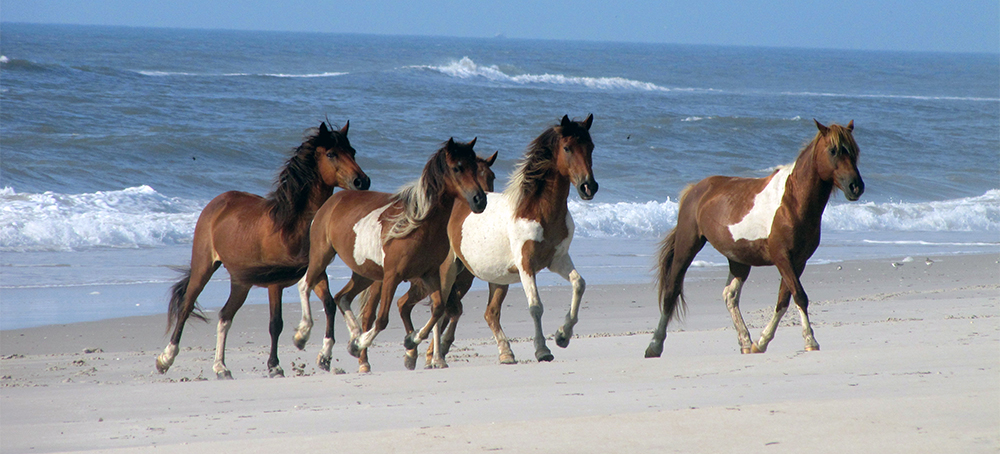
Evenings bring more action again. Horses leave resting spots to find fresh grass. The cooler temperature encourages movement. This time offers chances to see horses walking and socializing. It is a peaceful time with soft light, perfect for photos.
Credit: www.nps.gov
Best Locations To Spot Horses
Assateague Island offers several great spots to see wild horses. Each location shows a different side of their life and beauty. Knowing where to go can help you enjoy the experience fully.
The horses often move around, so visiting various places increases your chances to spot them. Quiet areas work best because horses avoid crowds. Here are the best locations to find these wild animals.
Beachfront Areas
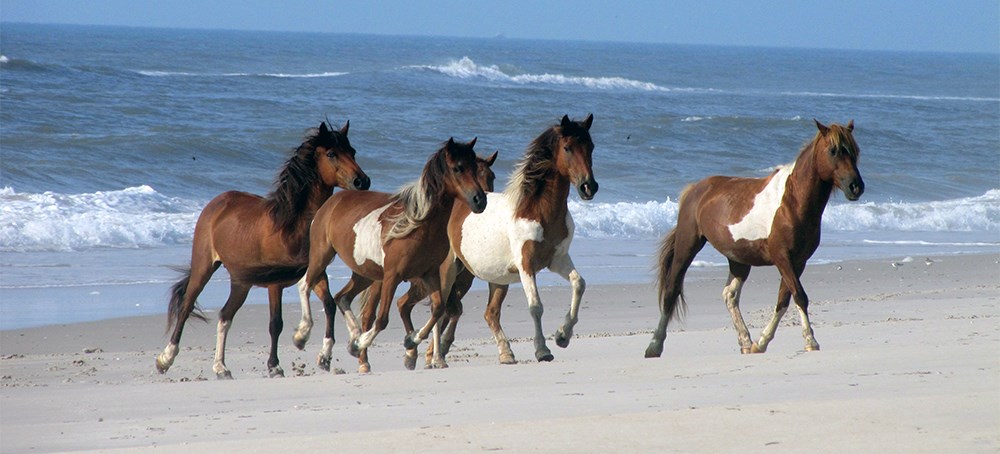
The sandy beaches are a favorite spot for horses. They come to drink fresh water from small ponds near the shore. Early morning or late afternoon visits can reveal horses walking along the beach.
The open view makes it easier to see the horses against the ocean backdrop. Stay on marked paths to avoid disturbing the animals. The gentle sea breeze adds to the peaceful scene.
Marshlands And Meadows
Wide marshlands and grassy meadows are perfect for horse grazing. These areas offer fresh grass and shelter from the sun. Horses often gather here in small groups, resting or feeding quietly.
The soft, green landscape provides good photo opportunities. Watch quietly, as horses can be shy around people. The peaceful environment lets you observe their natural behavior closely.
Trail Viewpoints
Several trails on Assateague lead to excellent horse-viewing spots. Elevated viewpoints let you see horses in open fields below. Trails are easy to follow and give a chance to explore the island.
Walking quietly along these paths increases your chance to spot horses nearby. The mix of woods and open space creates a rich habitat for wildlife. Bring binoculars for a closer look without disturbing the horses.
Tips For Responsible Viewing
Watching wild horses at Assateague is a special experience. To enjoy it safely and responsibly, follow some simple tips. These help protect the horses and keep you safe. Respecting the animals and their space makes the visit better for everyone.
Here are important tips for responsible viewing. They guide how to act around the horses without causing harm or stress.
Maintaining Safe Distances
Stay at least 50 feet away from the horses. Use binoculars to see details up close. Do not try to touch or feed them. Horses can be unpredictable and may bite or kick. Keeping your distance helps keep both you and the horses safe.
Avoiding Disturbance
Move slowly and quietly near the horses. Loud noises and sudden movements scare them. Do not chase or block their path. Let the horses come to you if they want. Respect their space and natural behavior at all times.
Photography Guidelines
Use a zoom lens to take pictures from afar. Avoid using flash as it can startle the horses. Do not enter restricted areas for a better photo. Always prioritize the animals’ comfort over your shot. Capture memories without disturbing the wild beauty.
Credit: www.nps.gov
Weather Impact On Horse Sightings
The weather plays a big role in seeing horses at Assateague. It changes how and where the horses move. Different weather conditions can make horses hide or come out in the open. Understanding these effects helps plan the best time to visit.
Effects Of Rain And Storms
Rain and storms often make horses seek shelter. They usually stay in wooded areas or near dunes. Seeing them in the open is rare during bad weather. After storms, horses might come out to graze. The ground is soft, and fresh plants grow. But heavy rain keeps them hidden for longer.
Influence Of Temperature
Temperature affects horse activity a lot. In hot weather, horses rest in shaded spots. They avoid the sun to stay cool. Cooler mornings and evenings are perfect for spotting them. During cold days, horses gather in groups. They stay active to keep warm and move around more.
Wind And Visibility
Wind changes horse behavior and visibility. Strong winds make horses stay low or behind dunes. Light winds help carry scents, making horses alert. Clear days with little wind offer the best views. Visibility improves and horses feel safer in open areas.
Guided Tours And Local Resources
Exploring Assateague’s wild horses is more enjoyable with guided tours and local resources. These options offer insights about the horses and the park’s natural beauty. Visitors learn about the horses’ habits, history, and the best spots to see them safely.
Rangers and local experts provide valuable knowledge. They help visitors understand how to respect the horses and the environment. Using these resources makes the visit richer and more memorable.
Ranger-led Programs
Ranger-led programs offer close-up views of the horses. Rangers share stories about the herd’s behavior and park rules. These walks or talks usually happen in the early morning or late afternoon, prime times for horse sightings. Joining a ranger program ensures a safe and informed experience.
Visitor Centers
Assateague’s visitor centers are great starting points. Staff provide maps, brochures, and tips for spotting horses. They also update visitors on horse locations and any park alerts. Centers often have displays that explain the horses’ history and the park’s ecosystem.
Recommended Guides
Local guides offer personalized tours tailored to your interests. They know the best trails and quiet spots for horse viewing. Guides share interesting facts and answer questions on the spot. Hiring a guide can help visitors see more horses and learn more about the island.
Frequently Asked Questions
When Is The Best Season To See Horses At Assateague?
The best season to see horses at Assateague is late spring through early fall. During this time, the wild horses are most active and visible near the beaches and marshes.
What Time Of Day Are Horses Most Visible At Assateague?
Horses are most visible early morning and late afternoon. These times offer cooler temperatures and better lighting for wildlife viewing.
Can I See Foals On Assateague Horses Year-round?
Foals are mostly seen in late spring and early summer. This is when most births occur, making it a great time for foal spotting.
Are Horses Easier To Spot During Certain Weather Conditions?
Yes, horses are easier to spot during calm, sunny days. Rain or strong winds often cause them to seek shelter and hide.
Conclusion
Visiting Assateague offers a special chance to see wild horses close. Early morning or late afternoon brings the best light and quieter scenes. Spring and fall give mild weather and active horses. Summer can be busy but shows foals and family groups.
Dress comfortably and bring water. Respect the horses by keeping a safe distance. Watching these beautiful animals in nature creates lasting memories. Plan your trip with these tips in mind. Enjoy the peaceful beauty of Assateague’s wild horses anytime you visit.