Have you ever wondered when is the best time to ride horses? Choosing the right time can make all the difference in how much you enjoy your ride.
Whether you want to avoid the heat, catch the most beautiful scenery, or ensure your horse feels comfortable, timing matters. You’ll discover simple tips to pick the perfect moment for your next ride. Keep reading, and you’ll learn how to make every horseback experience better and more enjoyable.
Credit: www.handsandheartsforhorses.com
Seasonal Riding Benefits
Riding horses changes with the seasons. Each season offers unique chances to enjoy horseback riding. The weather, landscape, and horse behavior vary. Knowing these changes helps riders pick the best time to ride. It also improves the overall experience for both horse and rider.
Spring Riding Advantages
Spring brings fresh grass and cool air. Horses feel energetic after winter rest. Trails look bright with blooming flowers and green leaves. The weather is pleasant, not too hot or cold. This makes rides comfortable for riders and horses. Spring is a great time to start new training routines.
Summer Riding Challenges
Summer days can get very hot. Horses may tire quickly in the heat. Riders need to choose cooler times like early morning or late evening. Sun protection and plenty of water are important. Bugs and flies become more active. Using fly spray helps keep horses calm.
Autumn Riding Perks
Autumn has cool, crisp air and less bugs. Leaves change color, creating beautiful riding views. Horses enjoy the cooler weather and dry trails. This season is perfect for long rides and trail exploration. The stable atmosphere is calm and peaceful.
Winter Riding Tips
Winter can be cold and slippery. Horses need extra warm-up time before riding. Use proper hoof care to avoid slipping. Dress in layers to stay warm. Shorter rides help keep horses safe. Riding in daylight is best for visibility.
Daily Timing For Riding
Choosing the right time of day to ride horses can affect both the rider’s and horse’s experience. Each time has its own benefits. Weather, temperature, and horse behavior change through the day. Knowing these differences helps you enjoy riding more and keep your horse comfortable.
Morning Rides
Morning rides offer cool and fresh air. Horses often feel more energetic after rest. The ground is usually firm and safe. Less sun means less chance of overheating. Morning rides can start the day with peace and calm. It is a good time for training and long rides.
Afternoon Rides
Afternoon rides are warmer and brighter. This time suits riders who prefer daylight. Horses might be slower due to heat. Choose shaded trails to keep horses cool. Short rides work best in the afternoon. It’s a great time for casual riding and skill practice.
Evening Rides
Evening rides bring cooler temperatures again. The air feels calm and quiet. Horses often relax after a day of rest. This time is perfect for gentle rides. Watching the sunset can be very peaceful. Avoid riding too late when it gets dark.
Weather Impact On Riding
Weather plays a big role in horse riding comfort and safety. Riders must think about temperature, rain, wind, and cold. Each weather type changes how horses and riders feel. Knowing how weather affects riding helps plan better rides.
Choosing the right time to ride depends on weather conditions. Some weather can be fun and safe, while others might be risky. Understanding these effects keeps both horse and rider happy.
Riding In Rain
Rain can make trails slippery and hard to see. Horses may become nervous or slow down. Wet tack can cause discomfort or sores. Light rain can be okay if horses are used to it. Heavy rain is best avoided for safety reasons.
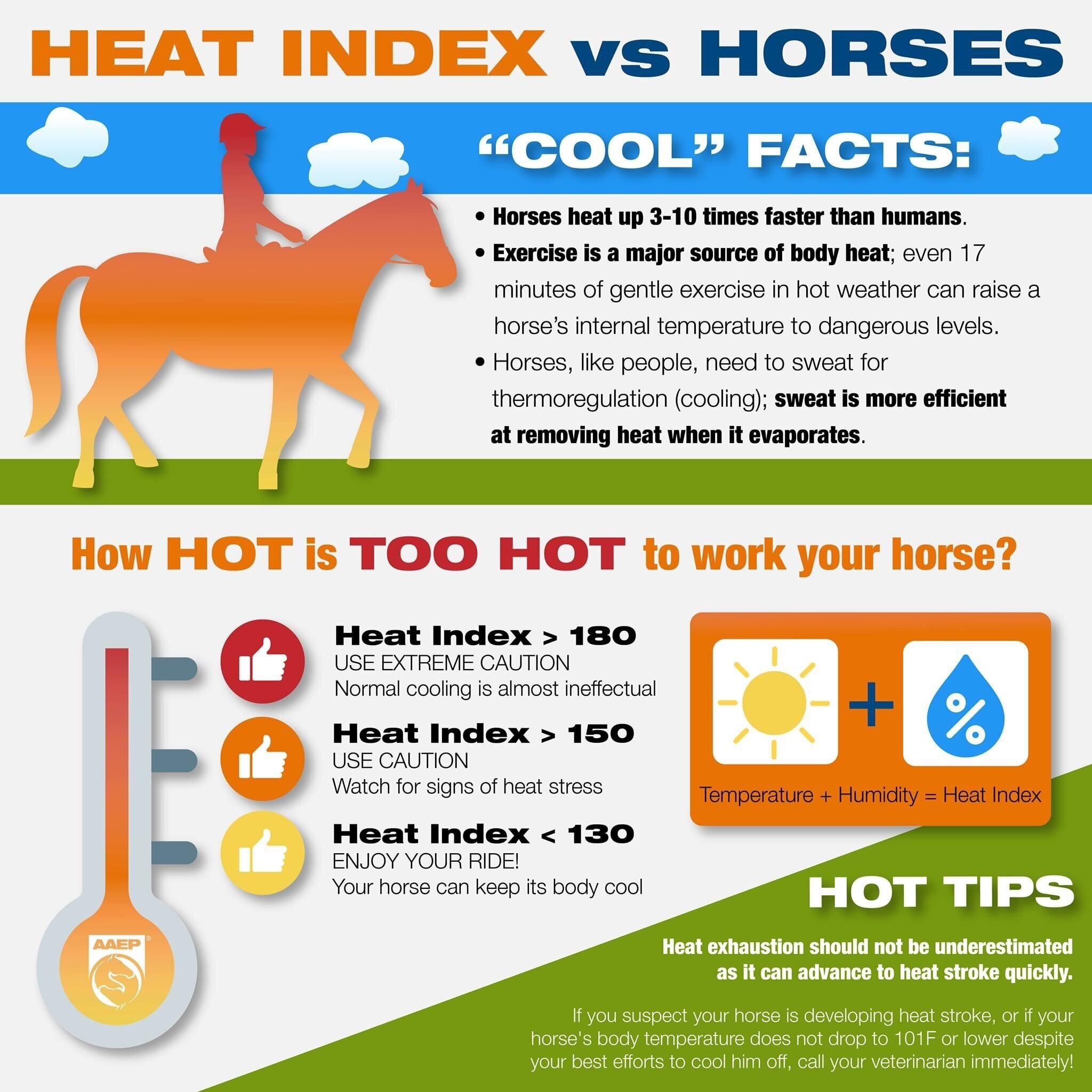
Riding In Heat
Hot weather tires horses quickly. They sweat a lot and lose water fast. Riding early in the morning or late evening helps avoid heat stress. Always bring water for you and your horse. Watch for signs of heat exhaustion like heavy breathing.
Riding In Cold
Cold weather can make muscles stiff for both horse and rider. Dress in layers to stay warm but not too hot. Horses may need more warm-up time before riding. Avoid icy or frozen paths that can cause slips and falls.
Windy Conditions
Strong wind can scare horses and make them jumpy. It can also blow dust or debris into eyes. Choose calm areas or wait for lighter wind. Keep your horse calm with gentle talking and smooth movements. Wind affects balance and focus during rides.
Horse Behavior And Comfort
Understanding horse behavior and comfort helps choose the best riding time. Horses have natural rhythms that affect their mood and energy. Riding at the right time keeps horses happy and healthy. It also improves the riding experience for both horse and rider.
Paying attention to how horses act during the day shows their peak energy. Comfort depends on avoiding heat stress and fatigue. Proper hydration and feeding keep horses feeling good and ready to work.
Energy Levels Throughout The Day
Horses are usually more energetic in the early morning and late afternoon. These times are cooler and less tiring. Midday can make horses slow and tired due to heat. Riding when horses have high energy gives better performance. Watch your horse’s behavior to find its best time.
Avoiding Overexertion
Overexertion causes stress and injuries in horses. Avoid riding during hot hours to prevent exhaustion. Short, gentle rides help keep horses fit and healthy. Rest time between rides is important for recovery. Always stop if your horse shows signs of tiredness.
Hydration And Feeding Schedules
Hydration is crucial before, during, and after rides. Offer fresh water often, especially in warm weather. Feed horses a light meal before riding for energy. Heavy meals right before riding can cause discomfort. A good feeding schedule supports stamina and well-being.
Trail And Terrain Considerations
Choosing the right trail and terrain affects your horse riding experience a lot. Safe and smooth paths make the ride fun and less risky. Knowing the trail conditions helps you plan better trips.
Riders must think about weather, soil, and trail type. These factors change how easy or hard the ride will be.
Best Trail Conditions
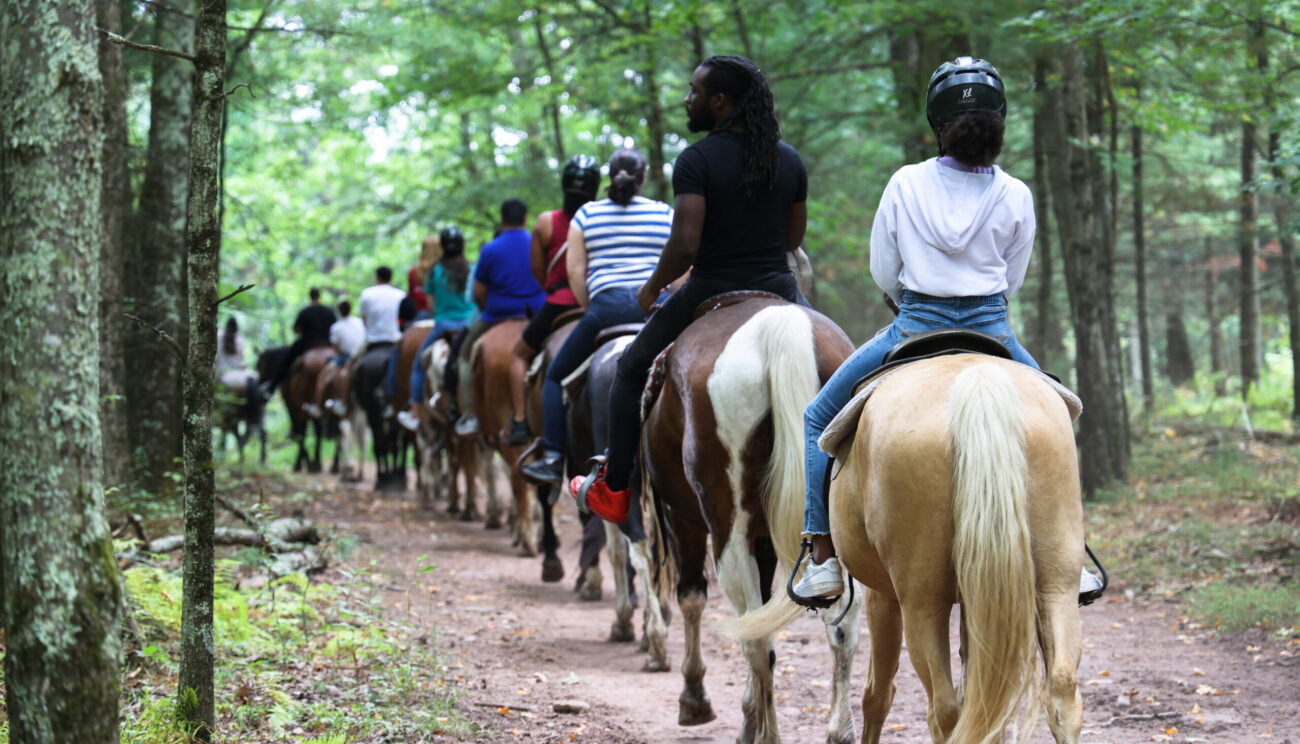
Dry, firm ground offers the best trail conditions for horses. Trails with packed dirt or grass are gentle on horse hooves. Avoid very rocky or uneven paths that may hurt your horse. Early mornings or late afternoons often have cooler, less busy trails. These times keep horses calm and comfortable.
Avoiding Slippery Or Muddy Paths
Wet trails can be slippery and unsafe. Muddy areas cause horses to lose footing and increase injury risk. Steer clear of trails after heavy rain or near streams. Choose trails with good drainage to avoid slippery spots. Walking slowly helps keep control on slick surfaces.
Safety On Different Terrains
Horses need careful handling on hills, rocks, or sandy soil. Uphill climbs require steady pace and strong legs. Downhill rides need balance and caution to avoid falls. Rocky paths demand sure-footed horses and slow steps. Sand can be tiring, so short rides work best there.
Credit: mtcreekstable.com
Rider Experience And Preferences
Rider experience and personal preferences play a big role in choosing the best time to ride horses. Each rider has different skills and energy levels. These factors affect how enjoyable and safe the ride will be. Understanding your own needs helps find the perfect riding time.
Matching Ride Times To Skill Level
Beginners benefit from riding in calm, cooler parts of the day. Morning rides often suit them well. Advanced riders may prefer riding at different times. They can handle varied conditions and more challenging trails. Choose ride times that fit your skill to stay safe and confident.
Personal Energy Patterns
Every rider has a natural energy flow. Some feel more awake in the morning. Others gain energy later in the day. Riding when you feel alert improves focus and control. Pay attention to your body’s signals for the best ride.
Group Vs Solo Riding Times
Group rides usually happen during popular times like weekends or afternoons. Solo riders have more freedom to pick quieter times. Early mornings or late evenings offer peaceful rides alone. Choose group or solo rides based on your comfort and schedule.
Special Riding Events And Competitions
Special riding events and competitions bring excitement to the horse riding world. These events offer riders a chance to show their skills and connect with others. Timing plays a big role in preparing for these occasions. Understanding when these events happen helps riders plan their practice and rides better.
Scheduling Around Events
Riders must check event dates early. Planning rides around these dates keeps horses fresh and ready. Avoid heavy training right before competitions. Light rides help maintain the horse’s energy. Proper rest prevents injuries and boosts performance.
Peak Times For Competitions
Most competitions take place in spring and fall. The weather is cooler and more comfortable for horses. Summer events happen but can be hot and tiring. Winter competitions are fewer due to cold weather. Knowing peak times helps riders set goals and prepare well.
Training For Specific Times
Training should match competition schedules. Riders build fitness slowly before events. Practice during the same time of day as the competition. This helps horses adapt to conditions. Regular training at event times improves focus and performance.

Credit: cjmstables.com
Frequently Asked Questions
When Is The Best Time Of Day To Ride Horses?
Early morning or late afternoon are ideal for horse riding. Temperatures are cooler, reducing heat stress on horses. These times also avoid strong midday sun, making rides more comfortable and safer for both horse and rider.
Which Season Is Best For Horse Riding?
Spring and fall are the best seasons for riding. Mild weather and softer ground provide a comfortable experience. Avoid extreme heat in summer and harsh cold in winter to protect your horse’s health and enhance your riding enjoyment.
How Does Weather Affect Horse Riding Timing?
Weather impacts horse safety and comfort significantly. Avoid riding during heavy rain, extreme heat, or strong winds. Calm, dry conditions promote safer rides and reduce risks like slipping or overheating for horses.
Is It Better To Ride Horses On Weekdays Or Weekends?
Weekdays often have fewer riders and quieter trails. This reduces stress for horses and allows for a more peaceful ride. However, weekends may be preferable for group rides or lessons due to scheduling availability.
Conclusion
Choosing the best time to ride horses depends on weather and horse comfort. Early mornings and late afternoons often work well. Cooler temperatures help both rider and horse feel better. Avoid the hottest parts of the day to keep horses safe.
Always watch how your horse reacts to the time you choose. Riding at the right time makes the experience more enjoyable. Remember, each horse is different, so adjust your schedule as needed. Enjoy every ride by picking the best time for you and your horse.