
Breeding horses is a major decision that shapes the future of your herd, your breeding program, and even the health of the foals you hope to raise. Many new and even experienced horse owners ask the same question: When is the best time to breed horses? The answer isn’t as simple as picking a month. It depends on many factors, including biology, climate, breed goals, and careful management. Understanding these details helps you make smart choices, avoid costly mistakes, and set your horses up for a healthy, productive life.
This article explores everything you need to know about the best time to breed horses. You’ll learn about the mare’s reproductive cycle, how daylight and seasons affect fertility, the impact of geography and climate, and the unique needs of different breeds.
We’ll dive into practical tips, common mistakes, and the science behind successful horse breeding. Whether you’re planning your first foal or refining your breeding schedule, you’ll find clear answers and expert advice here.
Understanding The Mare’s Reproductive Cycle
Before you can choose the best time to breed, you must understand how a mare’s body works. Horses are “seasonal breeders.” This means they are fertile only during certain parts of the year.
The estrous cycle of a mare is about 21 days long. There are two key phases:
- Estrus (heat): Lasts about 5-7 days. The mare is receptive to a stallion and can get pregnant.
- Diestrus: Lasts about 14-16 days. The mare is not receptive and cannot conceive.
A mare will only ovulate and accept a stallion during estrus. In most climates, this cycle only happens during the spring and summer, when there’s more daylight.
How Daylight Affects Fertility
Mares are “long-day breeders. ” Their bodies respond to increasing daylight by starting the reproductive cycle. In the wild, most mares stop cycling and become infertile during winter. As days get longer in late winter and early spring, they begin to cycle again.
This is because of a hormone called melatonin, which is produced when it’s dark. As the days grow longer, less melatonin is produced, and the mare’s reproductive system wakes up.
Why This Matters For Breeding
If you try to breed a mare in winter, you’ll often find she’s not cycling. Even if she does get pregnant, the foal may be born at a time that’s not ideal for health or competition schedules. That’s why understanding the mare’s cycle is the foundation of successful horse breeding.
The Natural Breeding Season
The natural breeding season for horses in the Northern Hemisphere is from late March to early July. This is when most mares are fertile, and nature intends for foals to be born.
Here’s why this timing is important:
- Gestation in horses is about 11 months (340 days on average).
- If you breed a mare in late April, she’ll likely foal in late March the following year.
- Foals born in spring have the best chance to grow strong because the weather is mild and grass is plentiful.
Late spring to early summer is the peak of fertility for most mares. This matches the natural environment, where foals are born when food is available and conditions are gentle.
Table: Average Breeding And Foaling Dates
| Breeding Month | Expected Foaling Month | Daylight Hours (Northern US) |
|---|---|---|
| March | February | 12.5 – 13.5 |
| April | March | 13.5 – 14.5 |
| May | April | 14.5 – 15.5 |
| June | May | 15.5 – 16 |
This pattern is nature’s way of giving foals the best start in life.
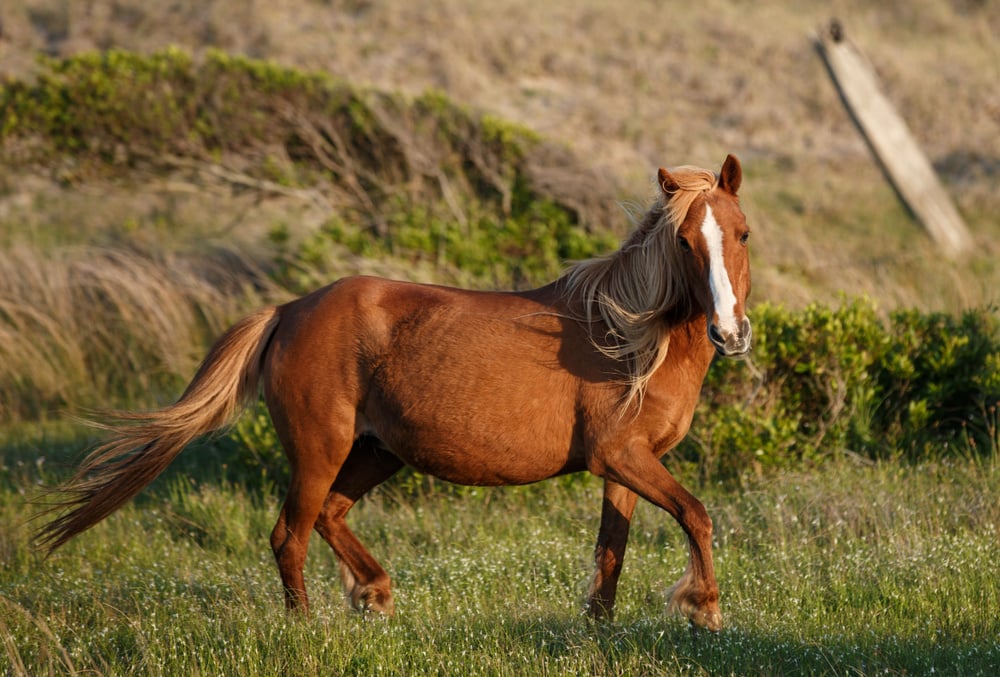
Credit: mixlab.com
The Influence Of Breed And Discipline
Not all horses are bred for the same reasons. Some are raised for racing, others for showing, work, or recreation. The best time to breed can change depending on your goals.
Thoroughbreds And Early Foals
For example, in the Thoroughbred racing world, all horses officially turn one year older on January 1. This means that a foal born in January is considered the same age as one born in May. To give racehorses an age advantage, breeders try to have foals born as early as possible in the year.
To achieve January or February foals, breeders use artificial lighting to “trick” mares into cycling early. Mares are put under lights in December, so their bodies think it’s spring. This is safe and common in the industry.
Table: Breeding Strategies By Discipline
| Discipline | Preferred Foaling Period | Why |
|---|---|---|
| Thoroughbred Racing | January – March | Foals are “older” for races |
| Show Horses | March – May | Best growth before show season |
| Work Horses | April – June | Safer weather, better pasture |
Breed Variations
Some breeds, like Shetland ponies or hardy native types, may start cycling earlier or later than average. Always watch for your mare’s signs of heat and consult your vet or breed society if you’re unsure.
The Role Of Climate And Geography
Where you live plays a big role in deciding when to breed horses. Horses in different parts of the world experience different day lengths, temperatures, and pasture conditions.
Cold Climates
In very cold areas (like northern Canada or Scandinavia), foals born early in the year may face dangerous weather. Most breeders in these regions aim for late spring or even early summer foals, when the risk of cold stress is low and the grass is growing.
Warm Climates
In warmer areas, like the southern United States or Australia, the breeding season may start and end earlier. Some mares may cycle all year round if the winter is mild and daylight does not drop much.
Managing Pasture
Good pasture is essential for mares in late pregnancy and for growing foals. Plan breeding so that the foaling date matches the start of lush grass in your region. This reduces feed costs and supports healthy development.
Artificial Lighting And Season Manipulation
Sometimes breeders want foals born at a specific time—often earlier than nature would allow. This is common in racing breeds and shows. The most common method is artificial lighting.
How Artificial Lighting Works
By exposing mares to 16 hours of light each day, starting about 60-90 days before the desired breeding date, their bodies start cycling earlier. This means you can breed as early as February or even January.
- Use soft, steady lights in the barn or paddock.
- Set a timer to ensure the right amount of light.
- Mares need complete darkness for the rest of the day.
This method is safe if managed properly, but it requires planning and electricity costs.
Other Manipulation Methods
Some breeders use hormone treatments to control cycling, but these are best done under a vet’s guidance and are less common than lighting.
Health And Age Of The Mare
The best time to breed is not just about the season. The age and health of your mare matter even more.
Ideal Age For Breeding
Most experts recommend breeding mares between 4 and 12 years old. Younger mares may not be fully developed, and older mares have higher risks of infertility or complications.
- Mares under 4: Bodies not mature, higher risk of problems
- Mares 4-12: Prime breeding years, best fertility
- Mares over 12: Possible, but need close monitoring
Health Checks
Before breeding, have your vet check your mare for:
- Overall health and body condition
- Any reproductive problems (scans, swabs)
- Vaccinations and parasite control
A healthy mare is more likely to get pregnant, carry the foal safely, and recover well after birth.
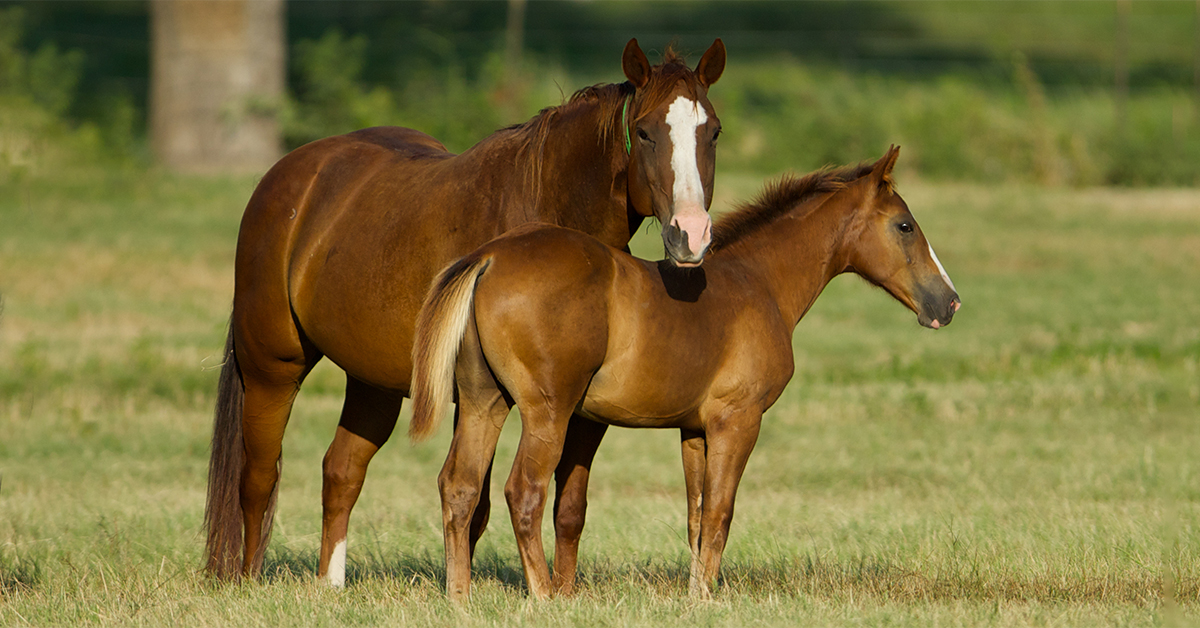
Credit: www.platinumperformance.com
Planning For The Foal’s Future
When you pick the breeding date, think about the foal’s future—not just the mare’s cycle.
Matching The Foal’s Birth To Goals
- Racing: Early foals (January-February) have a maturity advantage.
- Showing: Spring foals have time to grow before the show season.
- General riding or working: Late spring foals enjoy good weather and pasture.
If you breed too early, you may risk a weak foal or a stressed mare. If you breed too late, the foal may face flies, heat, or pasture shortages.
Example: Planning For Show Horses
If you want a foal ready to show as a yearling, plan breeding for April or May, so the foal is strong and mature by the following show season.
Common Mistakes In Horse Breeding Timing
Even experienced breeders can make timing mistakes. Here are some common errors and how to avoid them.
- Breeding too early in the year: Risk of cold weather, frozen water, and poor pasture for the foal.
- Not checking the mare’s cycle: Some mares have irregular cycles, especially as they age. Always confirm heat before breeding.
- Ignoring health checks: Failing to check the mare’s health may lead to lost pregnancies or sick foals.
- Missing the natural season: Trying to breed in deep winter without lights or hormones is often wasted effort.
- Not planning for foal care: If you breed for a busy time (like harvest or holiday), you may not have time to monitor the mare or care for the foal.
Careful planning prevents most of these mistakes.
Step-by-step: How To Decide When To Breed
Choosing the best time to breed your horse is a process. Here’s a simple roadmap:
- Check your region’s climate: When is spring? When does grass start growing?
- Know your mare’s cycle: Track her heats in spring. Consider artificial lighting if you want early foals.
- Set breeding goals: Are you aiming for racing, showing, or general use?
- Schedule health checks: Have your vet check the mare and update her vaccinations.
- Pick the target foaling month: Count back 11 months to find the ideal breeding window.
- Monitor the mare: Watch for signs of heat, and arrange for the stallion or insemination.
- Prepare for foaling: Make sure you have shelter, supplies, and support for birth and aftercare.
The Role Of Stallion Availability
Don’t forget about the stallion. If you are using a popular or distant stallion, you may need to book well in advance. Some studs have strict schedules, especially for live cover. If using artificial insemination, timing is even more important, since semen must be fresh and the mare must be in heat.
Talk with the stallion owner and your vet early to make sure everyone is ready at the right time.

Credit: www.almanac.com
Special Cases: Maiden And Older Mares
Maiden Mares
A maiden mare (never bred before) sometimes takes longer to settle into a regular cycle. Start tracking her heats early in the season, and don’t rush breeding. Some mares need a few cycles before they conceive.
Older Mares
For mares over 12, fertility drops and risks go up. Breed these mares early in the season, so there’s time to try again if the first attempt fails. Always work closely with your vet.
Nutrition And Body Condition
A mare’s body condition affects her ability to get pregnant and support a foal. Mares should be in good flesh—not too thin, not overweight—before breeding.
- Thin mares may not cycle or may lose pregnancies.
- Fat mares can have hormonal problems and delivery risks.
Feed high-quality hay, balanced minerals, and vitamins. Adjust feed as pasture quality changes.
Table: Body Condition And Breeding Success
| Body Condition Score | Breeding Outcome | Comments |
|---|---|---|
| Under 5 (thin) | Poor fertility | May not cycle, weak foals |
| 5-6 (ideal) | Best fertility | Recommended for breeding |
| 7+ (fat) | Possible issues | Risk of metabolic problems |
Always adjust the mare’s diet before and after breeding.
Foal Care And Timing
The timing of foaling affects how you care for the newborn. Foals born in cold or wet weather need extra shelter and monitoring. Spring-born foals have the best chance to grow outside, develop strong legs, and socialize with other horses.
Plan breeding so that you can give the foal the best start—both in terms of weather and your own schedule.
Legal And Registry Considerations
Some breeds and registries have strict rules about breeding and foaling dates. For example:
- Thoroughbreds must be born as early in the year as possible for racing.
- Some breed societies only allow foals from certain months to be registered.
Always check the rules for your breed and region before setting your breeding dates.
Non-obvious Insights For Successful Timing
Many breeders focus only on the mare’s heat cycles and climate. But two often-missed factors can make a big difference:
- Your personal schedule: Foaling is a 24/7 job. Make sure the mare will foal during a quiet period in your life. Many breeders plan for foals to arrive after major holidays or busy seasons.
- Stallion fertility: Stallion sperm quality also rises in the spring and may be low in winter. If using natural cover, check that the stallion is also in peak breeding condition.
A third advanced tip: Consider disease risk. Some diseases, like certain viruses, are more common in summer or autumn. Breeding for spring foals may reduce these risks.
Responsible Breeding: Ethics And Future Planning
It’s easy to focus on timing, but responsible breeders also think about the bigger picture.
- Only breed if you have a clear goal for the foal’s future.
- Avoid overbreeding just because a mare is available.
- Make sure you have resources for the mare and foal, including vet care, feed, and shelter.
The best time to breed is when you are fully prepared—not just when the calendar says it’s spring.
Frequently Asked Questions
What Is The Best Month To Breed Horses?
For most horses in the Northern Hemisphere, the best month to breed is April. This allows the mare to foal the following March, when weather and pasture are ideal. However, the exact month depends on your goals, breed, and climate.
Can You Breed A Mare All Year Round?
Most mares only cycle during the longer days of spring and summer. In warm climates or with artificial lighting, you can extend the breeding season. But natural fertility is lowest in winter.
How Does Artificial Lighting Help With Horse Breeding?
Artificial lighting “tricks” the mare’s body into thinking it’s spring, starting her cycle early. This is useful for breeders who want foals born in winter for racing or show purposes. It requires about 16 hours of light per day for 60-90 days before breeding.
Is Age Important When Choosing When To Breed A Mare?
Yes. Mares between 4 and 12 years old have the best fertility and health for breeding. Very young or older mares have higher risks of infertility and complications. Always check health before breeding.
Where Can I Find More Information About Horse Breeding?
A reliable source for more in-depth information is the Wikipedia Horse Breeding article, which covers history, techniques, and science behind breeding.
Breeding horses successfully is about more than just picking the right date. It’s about understanding biology, your climate, your goals, and the needs of both mare and foal. With careful planning, attention to detail, and expert advice, you can give your horses the best possible start in life.