
Have you ever stopped to wonder about the fascinating creatures living just beneath the surface of ponds and lakes? Water frogs are more than just ordinary amphibians they hold secrets that can amaze you.
Whether you’re curious about their unique behaviors, their role in the ecosystem, or how they survive in watery worlds, this article is made for you. Dive in, and discover why water frogs might be the most interesting animals you never knew you needed to learn about.
Your next favorite nature fact is waiting just below the water’s edge.
Water Frog Species
Water frogs are fascinating creatures found in many parts of the world. These amphibians live mostly in or near water. They play an important role in their ecosystems by controlling insect populations and serving as food for other animals. Different species of water frogs have unique traits and habits. Understanding these species helps appreciate their diversity and importance.
Common Types
The most known water frog is the European green frog. It has bright green skin with black spots. Another type is the American bullfrog, famous for its loud croak. This frog is larger and lives in ponds and lakes. The African clawed frog is different. It has webbed feet and claws used for digging. These frogs live in slow-moving water. Each species adapts to its environment in its own way.
Unique Features
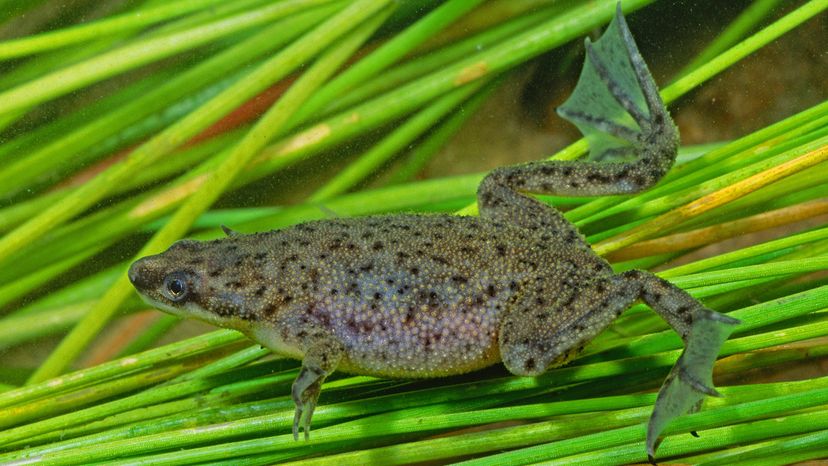
Water frogs have special features that help them survive. Their skin can absorb oxygen from water, allowing them to stay underwater longer. Some species have strong legs for jumping far. Others have smooth skin to swim easily. The African clawed frog uses its claws to catch prey. Many water frogs have eyes on top of their heads. This position helps them see above water while hiding below.
Credit: animals.howstuffworks.com
Natural Habitat
Water frogs live in places where water is clean and calm. They need water for drinking, laying eggs, and finding food. These frogs spend most of their time near ponds, lakes, and slow rivers. Water plants and rocks help them hide from predators and stay safe.
Different species of water frogs choose habitats that suit their needs. The natural habitat affects their behavior and survival. Understanding where they live helps protect these frogs and their homes.
Preferred Environments
Water frogs prefer fresh water with low movement. They often live in ponds, marshes, and quiet parts of rivers. These places offer food like insects and small water animals. Plants in the water give them shelter and places to lay eggs.
They avoid fast streams or polluted water. Clear water helps them breathe through their skin. Soft mud or sandy bottoms are good for hiding and hunting.
Geographical Range
Water frogs live in many parts of the world. Most species are found in Europe, Asia, and North America. Some live in tropical areas, while others live in cooler climates. They can be found from lowlands to mountain lakes.
Each species adapts to the climate and environment of its region. This wide range shows how water frogs survive in different conditions. Protecting their habitats across the world is important for their future.
Physical Characteristics
Water frogs have unique physical traits that suit their life in and around water. Their bodies show special features that help them swim, hide, and survive in wet environments. Understanding these traits gives insight into their behavior and habitat.
Size And Color
Water frogs vary in size, typically between 2 to 5 inches long. Males are usually smaller than females. Their colors range from bright green to brown, helping them blend with plants and mud. Some have spots or stripes for extra camouflage. These colors protect them from predators and help them sneak up on prey.
Adaptations For Water
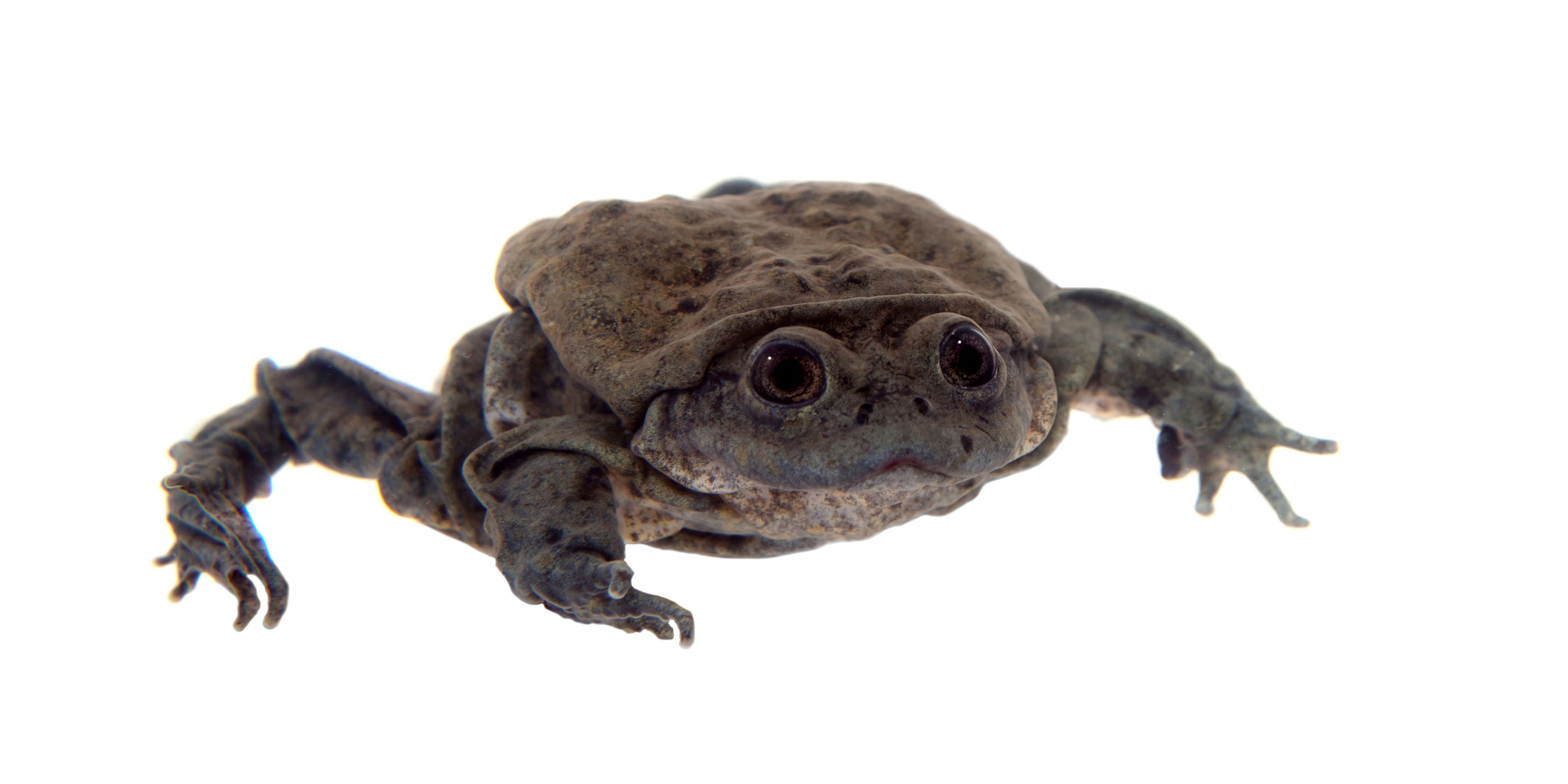
Water frogs have strong legs with webbed feet, perfect for swimming fast. Their skin is smooth and moist, allowing easy breathing through the skin. They have large eyes on top of their heads to see above the water. Their nostrils also sit high, letting them breathe while mostly underwater. These adaptations make water frogs excellent swimmers and hunters.
Credit: www.singaporeoceanarium.com
Behavior And Diet
Water frogs are fascinating creatures with unique behaviors and diets. Understanding their habits helps us appreciate their role in nature. Their behavior revolves around finding food and staying safe in water.
Feeding Habits
Water frogs mainly eat small insects and other tiny animals. They catch prey with their sticky tongues. Some species also eat algae and plant matter. They hunt mostly near the water surface or on land. Their diet changes depending on what is available. Young frogs eat smaller prey than adults do.
Activity Patterns
Water frogs are mostly active during the day and night. They rest in cool, shaded places during hot hours. Some species swim and hunt at night. Others are more active in the early morning. Their activity depends on temperature and water conditions. Frogs use water to hide from predators and stay moist.
Setting Up A Habitat
Creating a comfortable home for water frogs is important. A proper habitat keeps them healthy and happy. It helps them show natural behaviors and live longer. Setting up the right environment is simple with a few key steps.
Tank Requirements
Choose a tank with enough space. A 10-gallon tank works well for one or two frogs. Bigger tanks allow more swimming room. Use a tank with a secure lid to prevent escapes. Provide both water and land areas. Water frogs need places to swim and rest.
Water Quality Tips
Clean water is vital for water frogs. Use a filter to keep water fresh. Change 20% of the water weekly. Test the water for ammonia, nitrites, and pH levels. Keep the pH between 6.5 and 7.5. Avoid chlorine by using treated water. Warm the water to around 75-80°F for comfort.
Feeding Water Frogs
Feeding water frogs is simple and rewarding. These amphibians enjoy a variety of foods that keep them healthy and active. Providing the right diet supports their growth and bright colors.
Understanding their feeding habits helps maintain a balanced environment. Proper feeding also prevents health problems and improves their lifespan.
Diet Options
Water frogs eat live insects like crickets and worms. Small fish and shrimp are good protein sources. Freeze-dried bloodworms and brine shrimp also work well. Avoid feeding frogs anything too large or hard to digest. Variety in food keeps them interested and nourished.
Feeding Frequency
Young water frogs need feeding daily for steady growth. Adult frogs eat every two to three days. Remove leftover food after feeding to keep water clean. Watch your frog’s appetite and adjust feeding as needed. Consistent feeding schedules help maintain their health and energy.
Health And Common Issues
Water frogs are generally hardy pets but can face health problems. Early care helps keep them strong. Watch closely for any health changes. Quick action can prevent serious issues.
Signs Of Illness
Watch for unusual behavior like lethargy or loss of appetite. Skin changes such as redness, sores, or peeling may appear. Breathing problems or swelling are warning signs. Frogs may also stop moving or lose weight. These signs suggest illness and need attention.
Preventive Care
Keep water clean and at the right temperature. Change water regularly to avoid bacteria buildup. Provide a balanced diet with proper nutrients. Avoid overcrowding in the tank to reduce stress. Regularly check water quality for safe pH and ammonia levels. Healthy living conditions prevent many common diseases.

Credit: roundglasssustain.com
Breeding Water Frogs
Breeding water frogs can be a rewarding experience for amphibian enthusiasts. These frogs have unique habits and needs during their breeding cycle. Understanding their environment and care is essential for success.
Breeding Conditions
Water frogs need clean, warm water to breed. The temperature should stay between 70 and 75°F. Provide plenty of plants and hiding spots for comfort. A shallow area helps frogs lay eggs safely. Light cycles should mimic natural day and night. This encourages natural breeding behaviors. Avoid sudden changes in water or temperature.
Egg Care
Frog eggs must stay in clean, fresh water. Remove any dead eggs to prevent fungus. Keep water gently moving but not strong. Too much movement can harm the eggs. Maintain water temperature around 72°F for best results. Watch for signs of fungus or damage. Use a soft net or spoon to move eggs if needed.
Water Frog Interaction
Water frogs are fascinating creatures. They enjoy both water and land environments. Understanding how to interact with them helps keep them healthy and happy.
These frogs have unique habits. They respond to gentle care and respect. Learning their behavior improves your experience with them.
Handling Tips
Handle water frogs with clean, wet hands. Dry hands can harm their skin. Be very gentle to avoid stress or injury. Support their body fully and avoid squeezing. Limit handling time to reduce stress. Always wash hands before and after handling.
Social Behavior
Water frogs are social animals. They often live in groups in the wild. They communicate using sounds and body movements. Some frogs may show territorial behavior. Provide enough space in their habitat. Watch for signs of stress or aggression. Social interaction helps keep them active and healthy.
Frequently Asked Questions
What Habitats Do Water Frogs Prefer?
Water frogs thrive in freshwater habitats like ponds, lakes, and slow-moving streams. They prefer clean, shallow waters with abundant vegetation for shelter and breeding.
How Do Water Frogs Contribute To The Ecosystem?
Water frogs help control insect populations by feeding on them. They also serve as prey for birds, fish, and other wildlife, maintaining ecological balance.
What Are Common Water Frog Species?
Common species include the African clawed frog, green frog, and leopard frog. Each species has unique adaptations to their aquatic environments.
How Do Water Frogs Reproduce?
Water frogs lay eggs in water, often attaching them to plants. Tadpoles hatch and undergo metamorphosis before becoming adult frogs.
Conclusion
Water frogs play an important role in nature’s balance. They help control insects and keep ponds healthy. Watching their unique colors and sounds can be fun. Protecting their homes ensures they continue to thrive. Small actions, like reducing pollution, make a big difference.
Everyone can help keep water frogs safe and happy. Nature benefits when these frogs live well. Their presence shows a clean and healthy environment. Caring for water frogs means caring for our world. Simple steps today help keep their future bright.
Poison Dart Frog in the Tropical Rainforest: Stunning Colors & Secrets