
If you want your horse to look stronger, move better, and stay healthier, improving its topline is the key. A well-developed topline not only makes your horse more attractive but also supports better performance and reduces the risk of injury.
You might be wondering how to build this important muscle area safely and effectively. You’ll discover simple, proven steps that you can start using right away to help your horse develop a powerful, balanced topline. Keep reading to learn how small changes in your routine can make a big difference in your horse’s strength and comfort.
Anatomy Of The Horse’s Topline
The topline of a horse is the set of muscles along its back, neck, and hindquarters. These muscles support the horse’s frame and help it move smoothly. A strong topline shows a horse is healthy and fit. Weak or sagging muscles can cause poor posture and limit performance.
Understanding the anatomy of the topline helps horse owners improve their horse’s strength. It also helps spot any muscle problems early. Below are the main muscles involved and their role in movement and performance.
Key Muscles Involved
The topline includes several important muscles. The longissimus dorsi runs along the spine and is the largest muscle. It lifts and supports the back. The trapezius muscle covers the neck and shoulder area. It helps raise the neck and moves the shoulder blade.
The gluteal muscles are in the hindquarters. They provide power for running and jumping. The latissimus dorsi helps move the front legs and supports the back. All these muscles work together for balance and strength.
Role In Movement And Performance
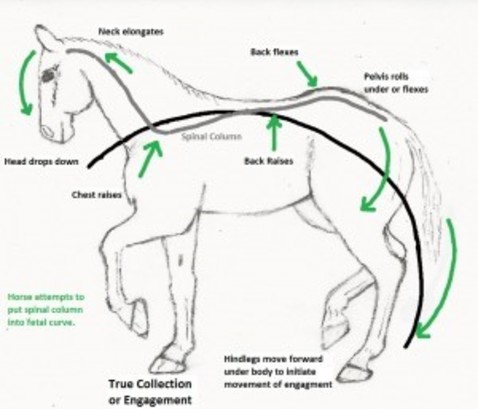
The topline muscles help the horse carry its weight properly. They also allow smooth, flexible movement. A strong topline improves the horse’s posture and gait. It helps the horse use its body efficiently during work.
Good topline strength reduces injury risks. It supports the horse’s back and prevents strain. Horses with a strong topline perform better in sports and daily tasks. Building these muscles is key to overall health and performance.

Credit: lungeing-training.com
Signs Of A Weak Topline
A weak topline in horses can affect their overall health and performance. It means the muscles along the horse’s back are not strong or well-developed. Recognizing the signs early helps improve the horse’s condition and comfort. These signs show that the horse needs attention and better muscle care.
Physical Indicators
A weak topline shows in the horse’s shape. The back may appear dipped or hollow instead of smooth and rounded. The muscles along the spine might look flat or sunken. The neck may seem thin and lack muscle tone. You might notice the withers are not well defined. Sometimes, the horse’s saddle slips or fits poorly due to weak muscles. The horse may also lose overall muscle mass in the hindquarters and shoulders.
Behavioral Clues
Horses with a weak topline often show signs in their behavior. They may resist moving forward or struggle to keep a steady gait. The horse might seem tired or unwilling to work, even on easy tasks. Some horses become tense or reluctant to lift their back. They can show discomfort when saddled or ridden. You may observe a short or choppy stride. These behaviors suggest muscle weakness and discomfort in the topline area.
Nutrition For Muscle Development
Nutrition plays a key role in building a horse’s topline. Strong muscles need the right fuel. Feeding your horse well supports muscle growth and recovery. Proper nutrition helps improve strength and shape along the back and neck.
Balanced meals provide energy and the building blocks for muscle repair. Without good nutrition, exercise alone cannot build topline muscles effectively.
Essential Nutrients
Protein is the foundation for muscle growth. High-quality protein sources supply amino acids needed for repair. Look for feeds with good protein content like alfalfa or soybean meal.
Energy is also crucial. Carbohydrates and fats give the fuel muscles need to work and recover. Choose grains and oils that digest well and provide lasting energy.
Vitamins and minerals support muscle function. Vitamin E and selenium help reduce muscle soreness and damage. Calcium and phosphorus keep bones strong to support muscle attachment.
Supplements To Consider
Some horses benefit from additional supplements. Amino acid supplements like lysine and methionine target muscle repair. They improve protein use for better topline development.
Joint supplements with glucosamine and chondroitin help keep muscles comfortable. Healthy joints allow more effective exercise for muscle growth.
Electrolyte supplements replace minerals lost during work. Proper hydration supports muscle contraction and reduces fatigue.

Credit: horseguard.com
Effective Exercises To Build The Topline
Building a horse’s topline requires specific exercises. These exercises strengthen muscles along the neck, back, and hindquarters. Consistent work helps improve posture and movement. Focused exercises improve your horse’s overall health and performance.
Groundwork Techniques
Groundwork is a gentle way to build topline muscles. Use lunging with side reins set low. This encourages the horse to stretch its neck forward and down. Walk and trot in circles to engage back muscles. Try backing up slowly to strengthen the hind end. Ground poles help improve balance and muscle tone. Keep sessions short and positive to avoid stress.
Riding Exercises
Riding exercises target key muscle groups for topline growth. Practice transitions between walk, trot, and canter. This activates the horse’s core and back muscles. Use hill work to build strength in the hindquarters. Incorporate lateral movements like leg yields and shoulder-ins. These improve flexibility and muscle engagement. Ride with a soft contact to encourage stretching.
Stretching Routines
Stretching increases muscle length and reduces tension. Teach your horse to stretch its neck down and out. Use carrot stretches or gentle pressure on the halter. Stretch the back by encouraging the horse to lower its head. Regular stretching improves circulation and muscle recovery. Perform stretches before and after exercise for best results.
Using Tack And Equipment To Support The Back
Using tack and equipment correctly helps protect a horse’s back and improve its topline. Proper gear supports muscles and encourages better movement. It reduces strain and prevents pain. Choosing the right items is key. Focus on comfort and fit to help your horse develop a strong, healthy back.
Saddle Fit Importance
A saddle must fit the horse perfectly. A poor fit causes pressure points and muscle damage. It stops the horse from moving naturally. Check the saddle width and length carefully. Use a saddle pad for extra cushioning. Change saddles if the horse’s shape changes. Regularly assess fit to keep the horse comfortable and safe.
Supportive Gear Options
Several gear choices support the horse’s back. Back protectors and therapeutic pads help ease muscle tension. Special girths reduce pressure on the spine. Some tack includes flexible panels to allow freer movement. Lightweight, breathable materials keep the horse cool. Choose gear that supports without restricting movement. Proper equipment helps build a stronger topline over time.
Monitoring Progress And Adjusting Training
Monitoring your horse’s topline progress is essential for effective training. It helps you see which exercises work and which need change. Adjusting training based on results keeps your horse healthy and strong. Without tracking, you may miss signs of overwork or lack of improvement.
Regular checks allow you to make smart decisions. These help build muscle evenly and prevent injury. Careful observation leads to better results and a happier horse.
Tracking Muscle Growth
Measure your horse’s topline with a soft tape. Check key areas like the withers, back, and loin. Take measurements weekly or biweekly for best results. Compare numbers over time to spot changes in muscle size.
Watch your horse’s shape in the mirror or photos. Look for smoother, firmer lines along the back. Note any uneven muscle development or dips. This visual check complements your measurements well.
Adapting Workouts Safely
Change exercises based on your horse’s progress and comfort. Increase intensity slowly to avoid muscle strain. Use a mix of walking, trotting, and hill work for balanced muscle build.
Rest days are important. They allow muscles to recover and grow stronger. If your horse shows signs of tiredness or soreness, reduce workout intensity. Always prioritize your horse’s well-being over speed of progress.
Common Mistakes To Avoid
Improving your horse’s topline takes time and care. Many riders make mistakes that slow progress or cause harm. Avoiding these common errors can help your horse build muscle safely and effectively.
Overtraining Risks
Training too hard can tire your horse quickly. Muscles need rest to grow and repair. Overworking the horse’s back can cause soreness and stiffness. This stops muscle development and leads to poor performance. Balance work and rest days for the best results.
Ignoring Pain Or Discomfort
Signs of pain in your horse’s back must never be ignored. Watch for twitching, stiffness, or reluctance to move. These signs mean your horse may need a break or vet check. Pain prevents muscle growth and can cause long-term damage. Always listen to your horse’s body signals.
Credit: www.dodsonandhorrell.com
Frequently Asked Questions
How Can I Naturally Build My Horse’s Topline?
Building a horse’s topline naturally involves consistent exercise, proper nutrition, and muscle strengthening. Focus on hill work, lunging, and specific stretches. Providing balanced protein and supplements also supports muscle growth and overall topline improvement.
What Exercises Improve A Horse’s Topline Effectively?
Effective exercises include hill work, long and low stretching, lunging with side reins, and pole work. These activities engage core muscles and promote topline strengthening. Regular, varied training helps develop the horse’s back and neck muscles efficiently.
Which Diet Supports Topline Muscle Development In Horses?
A diet rich in high-quality protein, fats, and balanced vitamins supports topline muscle growth. Adding supplements like amino acids or flaxseed can enhance muscle tone. Always ensure fresh water and avoid excessive carbohydrates for optimal topline health.
How Long Does It Take To See Topline Improvement?
Visible topline improvements usually appear within 6 to 8 weeks of consistent exercise and proper diet. Muscle development requires patience and regular training. Avoid rushing; gradual progress ensures lasting strength and better posture.
Conclusion
Improving your horse’s topline takes time and care. Consistent exercise helps build strong muscles along the back. Feeding the right nutrition supports muscle growth and health. Regular grooming keeps muscles relaxed and improves blood flow. Patience and attention to detail show great results.
Your horse will move better and look healthier. Small steps every day make a big difference. Keep caring with love and effort. The best topline comes from steady work and kindness.