
Caring for a horse with one eye can feel overwhelming at first. You want to make sure your horse stays happy, safe, and healthy despite this challenge.
The good news is, with the right care and attention, your horse can live a full and joyful life. You’ll discover simple, practical tips that make all the difference. By the end, you’ll feel confident and ready to give your special horse the best care possible.
Keep reading to learn how you can become the best partner for your one-eyed friend.
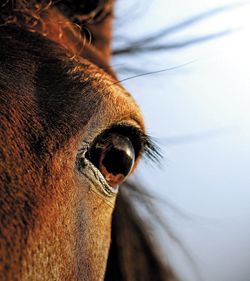
Credit: www.dvm360.com
Assessing The Horse’s Vision
Caring for a horse with one eye requires special attention to how the horse sees its surroundings. Assessing the horse’s visionhelps understand its needs and challenges. Knowing what the horse can and cannot see ensures safety and comfort. This step is vital for both the horse and the handler.
Identifying Limitations
Horses with one eye have a reduced field of vision. They lose depth perception and have blind spots on one side. This makes it harder for them to judge distances and detect objects close to their missing eye.
Common vision limitations include:
- Narrowed peripheral vision– The horse cannot see objects on the side without the eye.
- Poor depth perception– Difficulty estimating how far things are.
- Blind spots– Areas where the horse cannot see at all.
These limitations affect how the horse moves and reacts. It may startle easily or hesitate near obstacles. Understanding these limits helps avoid accidents.
| Vision Aspect | Normal Horse | Horse With One Eye |
|---|---|---|
| Field of Vision | Nearly 350 degrees | About 180-200 degrees |
| Depth Perception | Good (binocular vision) | Reduced (monocular vision) |
| Blind Spots | Minimal | Large on one side |
Careful observation reveals how the horse adapts. Watch how it reacts to new objects or movements. This helps identify specific areas of difficulty.
Adjusting Expectations
Caring for a one-eyed horse means changing some routines. The horse needs more time to adjust to new places and situations. Patience is key. Avoid sudden movements near its blind side.
Adjust expectations in these ways:
- Slow introductionto new environments or obstacles.
- Clear and calm handlingto reduce stress.
- Use of tactile and auditory cuesto guide the horse.
- Safe and familiar pathsfor walking and exercise.
Do not expect the horse to behave like one with full vision. Some behaviors may be signs of insecurity, not stubbornness.
Set realistic goals for training and riding. Focus on gradual progress and building trust.
| Aspect | Before Adjustment | After Adjustment |
|---|---|---|
| Handling Speed | Fast or sudden | Slow and steady |
| Training Expectations | High and quick | Patient and gradual |
| Exercise Routes | Varied and unknown | Familiar and safe |
Adjusting expectations creates a safer, happier life for the horse. It also builds a stronger bond between horse and owner.
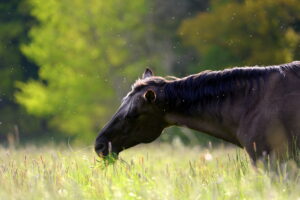
Credit: thehorse.com
Creating A Safe Environment
Caring for a horse with one eye requires special attention to safety. Creating a safe environment helps the horse feel secure and prevents accidents. Horses with limited vision can startle easily and may not see dangers on their blind side. Adjusting the horse’s living space is key to protecting it and boosting confidence.
Stable Setup
The stable must be arranged to reduce risks for a one-eyed horse. Clear pathways and good lighting help the horse move safely. Avoid sharp edges or objects that the horse might bump into on its blind side. Use soft padding on corners if needed.
Key points for stable setup:
- Keep stable aisles wide and clutter-free.
- Install good lighting to reduce shadows.
- Place feed and water where the horse can easily see them.
- Use smooth walls or padding on corners near the blind side.
- Make sure stable doors open fully and quietly.
Use a simple layout that the horse can learn quickly. A familiar space reduces stress and helps the horse trust its surroundings.
| Aspect | Recommendation |
|---|---|
| Lighting | Bright, even lighting with no harsh shadows |
| Flooring | Non-slip mats or rubber to prevent slipping |
| Wall Protection | Soft padding on corners and edges |
| Feed Placement | Within clear view on the seeing side |
Pasture Safety
Pasture safety is crucial for horses with one eye. Blind spots make it hard to see predators or obstacles. Use fences and gates that are easy to spot and avoid sharp corners or gaps.
Important pasture safety tips:
- Choose fenced areas with smooth, visible boundaries.
- Remove or mark any holes, rocks, or low branches.
- Keep the pasture free from debris and trash.
- Place water troughs and shelters in open, easily seen spots.
- Check fences regularly for damage or hazards.
Horses with one eye rely on their other senses. A quiet, calm pasture helps reduce stress. Avoid sudden noises or fast-moving objects that might startle the horse.
| Pasture Element | Safety Measure |
|---|---|
| Fencing | Bright, solid, and well-maintained |
| Ground | Even surface, free of holes and sharp objects |
| Water Source | Open area, easy to access and see |
| Shelter | Visible from all angles, sturdy and safe |
Feeding And Nutrition
Caring for a horse with one eye requires attention to many details, especially feeding and nutrition. Proper nutrition supports the horse’s overall health and helps it adjust to vision changes. Horses with one eye might face challenges while eating or competing for food. Understanding their special needs ensures they get enough nutrients safely and comfortably.
Special Dietary Needs
Horses with one eye may need a diet tailored to their specific condition. Their vision loss can cause stress or make them cautious during feeding times. Stress affects digestion and nutrient absorption. Offering a balanced diet helps maintain their strength and energy.
Key points to consider for special dietary needs:
- Provide high-quality forage such as hay or pasture to support digestion.
- Include a balanced concentrate feed with essential vitamins and minerals.
- Consider adding supplements to support eye health, like vitamin A and omega-3 fatty acids.
- Feed smaller, frequent meals to reduce stress and improve digestion.
- Ensure constant access to fresh, clean water.
Use this table as a basic guideline for feeding a one-eyed horse:
| Feed Type | Purpose | Examples |
|---|---|---|
| Forage | Main fiber source for healthy digestion | Grass hay, Timothy hay, Orchard grass |
| Concentrates | Energy and nutrient boost | Oats, barley, commercial horse pellets |
| Supplements | Support vision and immune health | Vitamin A, Vitamin E, Omega-3 fatty acids |
Monitoring Eating Habits
Watching how a one-eyed horse eats is very important. Their limited vision may cause hesitation or difficulty eating with others nearby. Observe their eating behavior every day to catch problems early.
Signs to watch for during feeding:
- Slow or reluctant eating
- Dropping feed from the mouth
- Weight loss or uneven body condition
- Signs of discomfort or pain while chewing
- Changes in appetite
Keep a simple daily log to track feeding habits. Use this example format:
Date: ________ Meal time: ________ Amount eaten: ________ Behavior notes: ________ Weight check: ________ Separate feeding areas may reduce stress and competition. Make sure food and water bowls are easy to find and safe to access. Adjust feeding routines if you notice any eating difficulties. Early detection of problems helps keep the horse healthy and happy.
Handling And Training Techniques
Caring for a horse with one eye requires special attention, especially during handling and training. These horses face unique challenges due to limited vision. Trainers and owners must adjust their techniques to keep the horse safe and confident. Patience and understanding are key. The goal is to build a strong bond and communicate clearly with the horse. This helps the horse feel secure and willing to learn.
Building Trust
Trust is the foundation of any good relationship with a horse, and it becomes even more important for a horse with one eye. These horses can feel vulnerable because their vision is limited on one side. Building trust helps reduce their fear and hesitation.
Start by spending quiet time near the horse. Let the horse see and smell you before touching. Use calm, slow movements to avoid startling them. Praise the horse with a soft voice and gentle pats.
- Approach the horse from the side with the good eye first.
- Stand in the horse’s line of sight to avoid surprises.
- Use treats to reward calm behavior and cooperation.
- Be consistent in your actions and routines.
Creating a safe environment also helps build trust. Avoid sudden loud noises or fast movements. Keep training sessions short and positive. Here is a simple table showing trust-building steps:
| Step | Action | Purpose |
|---|---|---|
| 1 | Quiet time near the horse | Familiarize the horse with your presence |
| 2 | Gentle touch and voice | Comfort and calm the horse |
| 3 | Consistent routines | Help the horse feel safe and confident |
| 4 | Positive reinforcement | Encourage good behavior and cooperation |
Adapting Communication
Horses with one eye rely more on their other senses. Adjusting communication helps them understand commands better. Using clear signals and body language is essential.
Use your voice in a calm and steady tone. Combine verbal commands with visible gestures on the horse’s good side. Avoid standing where the horse cannot see you well.
Here are some tips for adapting communication:
- Face the horse on its good side when giving commands.
- Use hand signals that the horse can easily see.
- Speak softly but clearly to avoid startling the horse.
- Watch the horse’s reactions carefully for signs of confusion.
Sometimes, horses with one eye need more time to process commands. Repeat instructions calmly and give breaks if the horse seems stressed. Using a lead rope to guide the horse can improve control and safety.
The table below summarizes communication adjustments for a one-eyed horse:
| Communication Method | Adjustment | Benefit |
|---|---|---|
| Verbal commands | Use calm, clear tone | Reduces stress, improves understanding |
| Body language | Face good eye, use visible gestures | Helps horse see and follow cues |
| Lead rope | Use for gentle guidance | Improves safety and control |
| Observation | Watch reactions closely | Detects confusion or stress early |
Health Monitoring
Caring for a horse with one eye requires careful health monitoring to ensure the horse stays comfortable and safe. Horses with one eye may face challenges with depth perception and vision, which can affect their daily life. Regular health checks help catch problems early. Observing the horse’s behavior closely also shows signs of discomfort or stress. Good health monitoring supports a happy, healthy horse.
Regular Vet Checks
Scheduling regular vet visits is essential for a horse with one eye. The vet will check the remaining eye’s health and ensure no infections or injuries develop. These checks also include general health screenings to catch any other issues early.
- Eye Examination:The vet looks for redness, cloudiness, or discharge.
- Vision Testing:Checking how well the horse uses its remaining eye.
- Overall Health:Body condition, teeth, hooves, and vital signs.
Use the table below to track your horse’s vet visits and findings:
| Date | Vet Name | Eye Condition | General Health Notes | Next Appointment |
|---|---|---|---|---|
| 2024-01-15 | Dr. Smith | Clear, no signs of infection | Good weight, no lameness | 2024-04-15 |
| 2024-04-15 | Dr. Smith | Mild dryness, recommended eye drops | Healthy, slight stiffness in left leg | 2024-07-15 |
Keep a record like this to notice changes over time. It helps communicate clearly with your vet. Also, follow the vet’s advice about medications or treatments carefully. Regular vet care is a key step to keep your horse healthy and comfortable.
Watch For Signs Of Stress
Horses with one eye can get stressed more easily due to limited vision. Stress shows in their behavior and body language. Noticing these signs early helps prevent health problems. Stress can affect eating, movement, and social behavior.
Look for these common signs of stress:
- Restlessness or pacing
- Loss of appetite or sudden changes in eating habits
- Excessive sweating or shaking
- Frequent head tossing or rubbing the face
- Unusual aggression or withdrawal from other horses
- Rapid breathing or nostril flaring
Track your horse’s daily behavior using a simple checklist:
Date | Appetite | Behavior | Physical Signs | Notes 2024-06-01 | Good | Calm | None | Normal day 2024-06-02 | Poor | Pacing | Sweating | Possible stress 2024-06-03 | Good | Calm | None | Returned to normal Changes in behavior may mean discomfort, fear, or pain. Offer your horse a calm environment and avoid sudden movements near its blind side. Give extra time for the horse to adjust to new surroundings. This reduces stress and supports better health.
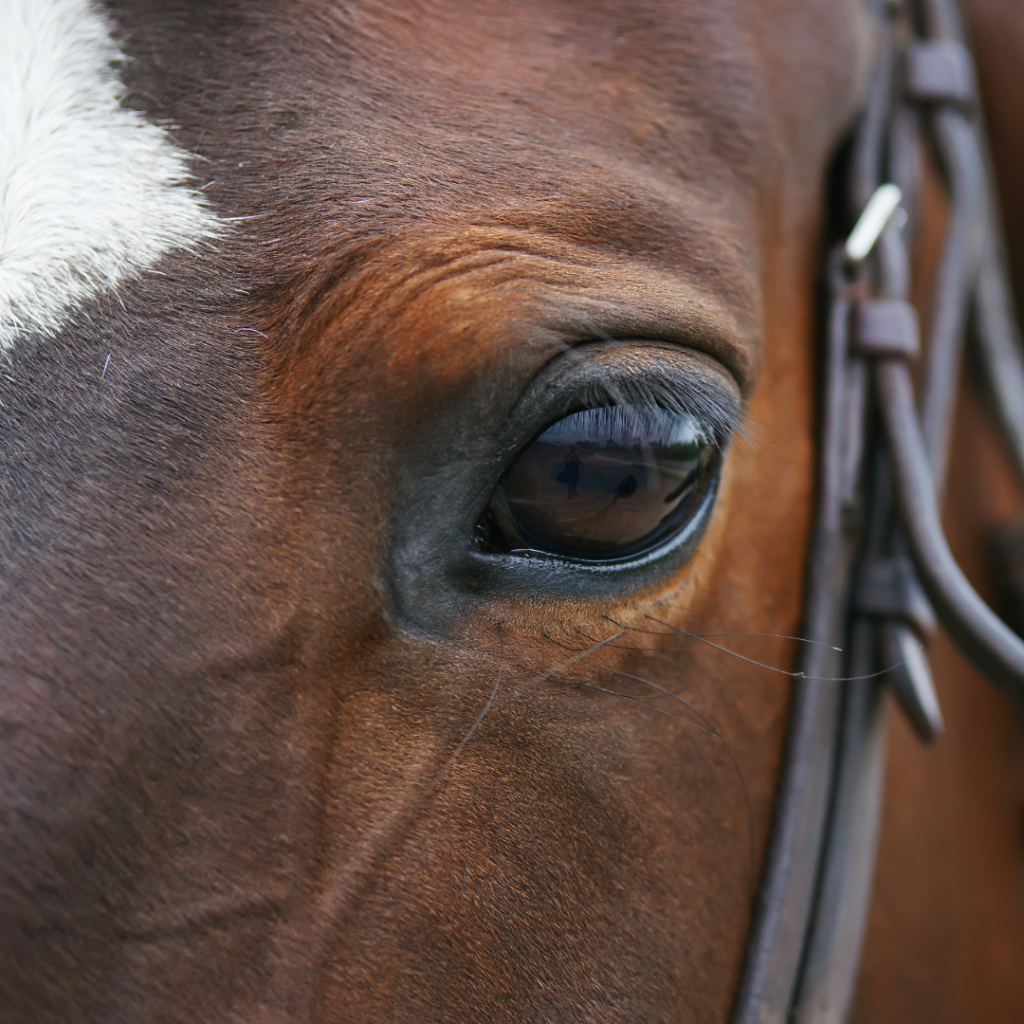
Credit: cavecreekequine.com
Managing Social Interactions
Caring for a horse with one eye requires special attention, especially in social settings. Horses rely heavily on their vision to understand their surroundings and communicate with other horses. Managing social interactions helps your one-eyed horse feel safe and included. It lowers stress and supports their confidence in the herd. Proper management can prevent accidents and improve the horse’s overall well-being.
Introducing To Other Horses
Introducing a one-eyed horse to other horses should be done slowly and carefully. The horse may feel vulnerable because of limited depth perception and blind spots. Start with controlled, calm introductions in a quiet area. Allow the horses to see and smell each other from a distance before allowing close contact.
Follow these steps for a smooth introduction:
- Use a neutral space:Avoid the home paddock to reduce territorial behavior.
- Observe body language:Look for signs of stress or aggression like pinned ears or raised tails.
- Keep the first meeting short:Gradually increase time together over several days.
- Supervise closely:Be ready to separate them if tension rises.
Here is a simple timeline for introductions:
| Day | Activity | Goal |
|---|---|---|
| 1 | Visual and smell contact through fence | Familiarize without physical contact |
| 2-3 | Short supervised meetings in neutral area | Build trust and calm interactions |
| 4-7 | Longer periods together, still supervised | Encourage positive social behavior |
Patience is key. Do not rush. Respect your one-eyed horse’s comfort level.
Preventing Bullying
Horses with one eye may face bullying due to their vulnerability. Other horses might see them as weak or different. Protect your horse by monitoring herd dynamics closely. Early signs of bullying include constant chasing, biting, or blocking access to food and water.
Steps to prevent bullying:
- Provide safe spaces:Areas where your horse can rest without disturbance.
- Feed separately:Reduce competition by feeding your horse apart from the herd.
- Observe interactions:Watch for aggressive behavior and step in quickly.
- Use companions wisely:Pair your horse with calm, gentle horses.
Here is a checklist to spot bullying behavior:
| Behavior | What to Watch For | Action |
|---|---|---|
| Chasing | Repeatedly running after your horse | Separate horses temporarily |
| Biting/Kicking | Physical attacks during feeding or resting | Intervene and redirect |
| Blocking | Preventing access to food or water | Provide multiple feeding stations |
| Isolation | Your horse stays away or is pushed out | Encourage social time with safe companions |
Protecting your horse promotes confidence and reduces stress. Taking action early keeps your horse happy and healthy in the herd.
Frequently Asked Questions
How Do You Care For A Horse With One Eye?
Caring for a one-eyed horse requires extra safety measures and regular vet checkups. Adjust their environment to prevent accidents and monitor their behavior closely.
Can Horses With One Eye Live Normal Lives?
Yes, horses with one eye can live normal, happy lives. They adapt well but need careful handling and protection from hazards.
What Special Precautions Are Needed For One-eyed Horses?
Ensure clear pathways and avoid sudden movements near the horse’s blind side. Regular eye checkups and gentle training are essential.
How Does Losing An Eye Affect A Horse’s Vision?
Losing one eye reduces depth perception and peripheral vision. Horses rely more on their good eye and must learn to compensate.
Conclusion
Caring for a horse with one eye takes patience and care. Watch your horse closely for any signs of trouble. Keep the environment safe and calm to help your horse feel secure. Regular check-ups with a vet are very important.
Remember, horses can adapt well with the right support. Your kindness and attention make a big difference every day. This care helps your horse live a happy, healthy life. Small steps lead to great results. Trust your bond and enjoy the journey together. Thanks for Reading caring for a horse with one eye.
What are Draft Horses: Powerful Giants of the Working World