When you watch a football game, the action moves fast. Tackles happen in a split second. But not every way of bringing down a ball carrier is legal. One of the most controversial tackles is the horse collar. Fans often ask: can you horse collar a QB in the pocket? The answer isn’t as simple as “yes” or “no.” This guide will break down NFL, college, and high school rules, explain what a horse collar tackle is, look at the history, and help you understand what’s allowed—and what’s not—when it comes to quarterbacks in the pocket.
What Is A Horse Collar Tackle?
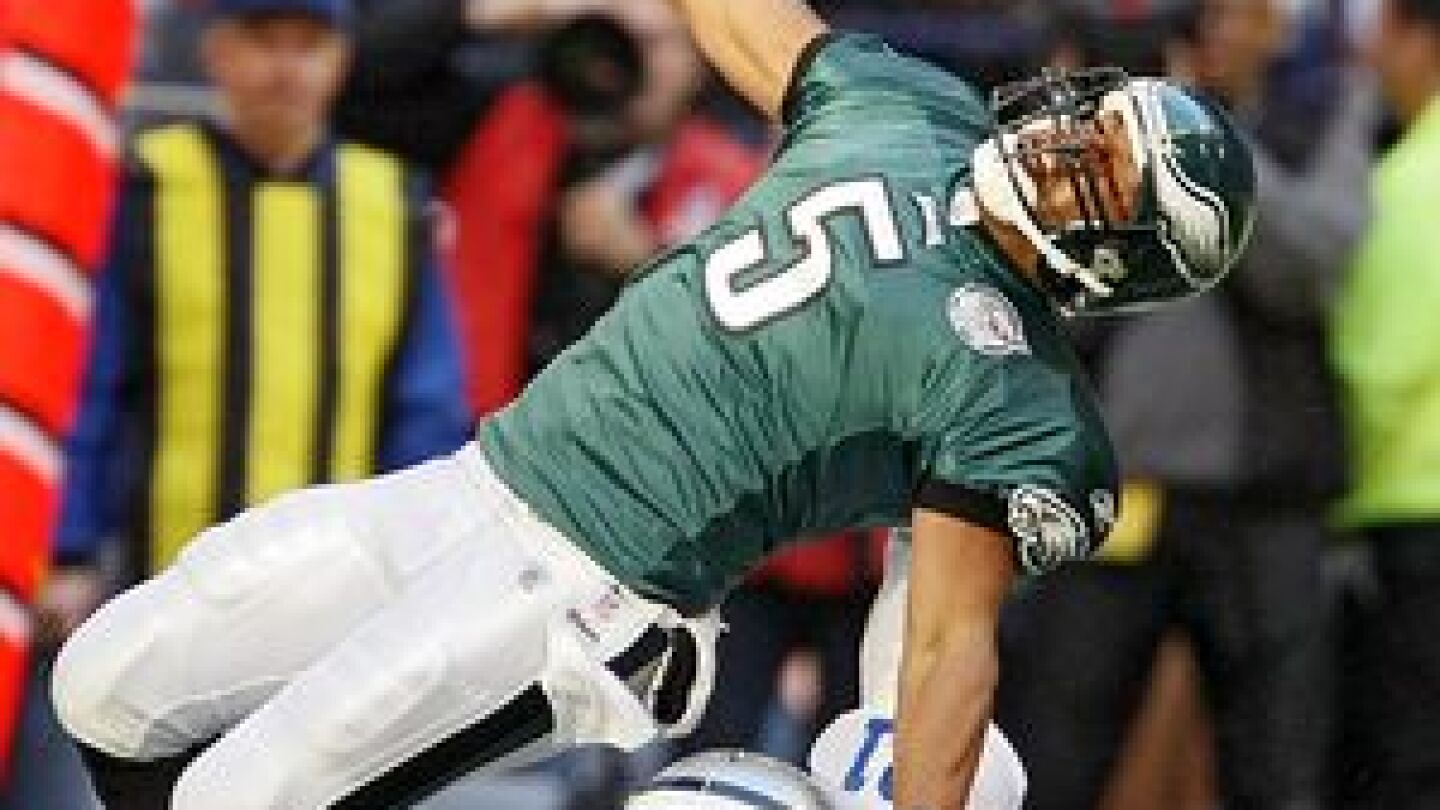
A horse collar tackle happens when a defender grabs inside the back or side of the collar of the jersey or pads and pulls the ball carrier down. This motion can force the player’s legs under them, causing serious leg injuries. The NFL, NCAA, and most high school associations have banned this tackle because of the high risk.
The rule targets the area inside the shoulder pads or jersey, not just the nameplate. To be a horse collar, the tackle must involve:
- Grabbing the inside back or side of the collar (not just the outside)
- Pulling the player directly downward or backward
- The player being pulled must go to the ground or lose balance
This rule exists to protect players from injuries like broken legs or torn ligaments.
Why Is The Horse Collar Tackle Dangerous?
Before the rule, several NFL stars suffered severe injuries. For example, Terrell Owens missed playoff games after a horse collar tackle in 2004. The unique motion of pulling a player down from behind while their legs are forward creates force on the knees and ankles. That’s why the NFL and other leagues made this tackle illegal.
Data showed a clear link between these tackles and lower leg injuries. According to NFL injury reports, horse collar tackles caused a much higher rate of major leg injuries than other types of tackles. The ban led to a decline in these injuries, proving the rule’s importance.
The Horse Collar Rule In The Nfl
The NFL’s official rule book covers the horse collar tackle in Rule 12, Section 2, Article 15. It’s clear: defenders cannot grab inside the back or side of the collar and pull a ball carrier down. This includes grabbing the inside of the jersey or pads. The penalty is 15 yards and an automatic first down.
But there are exceptions and details that matter, especially for quarterbacks.
The Rule For Quarterbacks In The Pocket
A key detail: the NFL allows defenders to horse collar a quarterback in the pocket. The rule only bans the horse collar tackle on a runner or a quarterback who has left the pocket. If the QB is still inside the pocket at the time of the tackle, the defender is not penalized for a horse collar.
Why is this allowed? The league believes defenders need more freedom to bring down a stationary passer in the pocket, where options are limited and space is tight. There’s less risk of the QB’s legs getting caught under them compared to a runner in the open field.
When Does The Rule Apply To The Qb?
The moment a quarterback leaves the pocket (the tackle box), he is treated like any other runner. From that point, a horse collar tackle is illegal.
So, if a defender horse collars the QB behind the line of scrimmage, but the QB is still in the pocket, no foul is called. If the QB scrambles outside the tackle box, the rule applies.
This is where many fans and even some players get confused. The rule is about location (in or out of the pocket), not whether the player is a quarterback or not.
Examples From Nfl Games
Let’s look at two real game situations:
- Quarterback in the pocket: A defender grabs the inside of the QB’s shoulder pads and pulls him down before he leaves the pocket. No penalty.
- Quarterback outside the pocket: The same tackle happens, but after the QB escapes to his right. This time, it’s a 15-yard penalty.
NFL refs study these plays closely because the difference can change a drive.
Ncaa (college) Horse Collar Tackle Rule
College football follows similar rules but with slight differences. The NCAA banned the horse collar tackle in 2008. Their rulebook (Rule 9, Section 1, Article 15) says it’s illegal to grab the inside back or side of the collar and pull a ball carrier down.
But, unlike the NFL, the NCAA does not make an exception for quarterbacks in the pocket. In college games, any horse collar tackle is a foul, no matter where the QB is.
Key Differences: Nfl Vs Ncaa
Here’s a comparison of NFL and NCAA rules:
| Situation | NFL | NCAA |
|---|---|---|
| QB horse collared in pocket | Legal | Illegal |
| QB horse collared outside pocket | Illegal | Illegal |
| RB horse collared | Illegal | Illegal |
This means college defenders must be even more careful when tackling QBs, even inside the pocket.
High School Football Horse Collar Rule
Most U.S. high schools use rules from the National Federation of State High School Associations (NFHS). The NFHS bans the horse collar tackle completely, with no exceptions for quarterbacks or location. Any time a defender grabs inside the collar and pulls a player down, it’s a 15-yard penalty.
Some states have their own modifications, but the general trend is total safety. The high school level does not allow horse collar tackles under any circumstances.
The Tackle Box And The Pocket: What’s The Difference?
Understanding the tackle box and the pocket is important, as the rule hinges on these zones.
- The pocket is the area behind the offensive line where the quarterback stands to pass. It extends from one offensive tackle to the other and back to the original line of scrimmage.
- The tackle box is a similar area but is defined for penalty enforcement. It ends when the quarterback moves beyond the lateral position of the offensive tackles.
When a QB is in the pocket (inside the tackle box, behind the line of scrimmage), some rules (like in the NFL) treat him differently than when he leaves that area.
Real-world Examples: Horse Collar Tackles On Qbs
Let’s look at famous NFL plays:
- Tony Romo (Cowboys) 2008: Romo was tackled by the back of his pads inside the pocket. No flag was thrown, and after review, the refs explained he was still in the pocket. The tackle was legal by NFL rules.
- Russell Wilson (Seahawks) 2019: Wilson scrambled to his left and was brought down by a horse collar outside the pocket. The refs flagged the play for a 15-yard penalty.
These moments often spark debate, but when you know the rules, the calls make sense.
Why Do The Rules Differ For Quarterbacks In The Pocket?
The NFL’s exception for QBs in the pocket is about balancing safety and defensive strategy. Inside the pocket, defenders have less space and must react quickly. If the rule banned all horse collar tackles, defenses would struggle to sack the QB. The injury risk is also lower because QBs are upright and not running at full speed.
In college and high school, player safety is the top priority, so there is no exception. Young athletes are more vulnerable, so the rule is strict.

Credit: www.reddit.com
How The Horse Collar Rule Is Enforced
NFL referees watch for three things before calling a horse collar penalty:
- Where the defender grabs: Must be inside the back or side collar of the jersey or pads.
- Pulling action: The player must be pulled downward or backward.
- Location of the play: Is the QB still in the pocket?
If all three match, then in the NFL, it’s a foul—unless the QB is still in the pocket. In college and high school, it’s always a foul.
Common Misunderstandings About The Rule
Many fans and even players are confused about the horse collar rule. Here are some common mistakes:
- Believing any horse collar is a penalty in the NFL: Not true for QBs in the pocket.
- Thinking the rule only applies to runners: It also applies to receivers, QBs outside the pocket, and kick returners.
- Assuming grabbing the nameplate is always illegal: The grab must be inside the collar, not just the nameplate.
Knowing these details helps you understand why some tackles are flagged and others aren’t.
The Impact Of The Horse Collar Rule On The Game
When the horse collar rule was introduced, defenders had to change tackling techniques. Coaches now teach to grab around the waist or legs, not the collar. The result: fewer serious injuries. In the NFL, the number of lower leg injuries from tackles dropped after the rule change.
But some defenders and coaches argue that the rule makes it harder to stop mobile QBs, especially those who scramble. The exception in the NFL for pocket QBs is a compromise—allowing defenders to still use certain techniques in a tight space.
How Defenders Can Adjust Their Tackling Technique
To avoid horse collar penalties, defenders focus on several key points:
- Target the waist or legs, not the collar
- Use a “wrap and roll” technique to bring players down safely
- Practice form tackling in training
Many teams use video review to show players the difference between legal and illegal tackles.
Credit: www.nbcsports.com
Injuries Caused By Horse Collar Tackles
Serious injuries from horse collar tackles include:
- Torn ACLs and MCLs
- Broken legs or ankles
- High ankle sprains
High-profile players like Terrell Owens and Donovan McNabb missed important games due to these injuries. The NFL’s medical reports showed that banning the horse collar reduced these injuries, especially for offensive stars.
The Evolution Of The Horse Collar Rule
The rule has changed over time. When first introduced, it only banned grabbing the inside back of the collar. Later, the rule expanded to include the sides of the collar. The NCAA and high schools updated their rules to match the NFL, but with stricter safety measures.
Here’s a timeline of key changes:
| Year | League | Change |
|---|---|---|
| 2005 | NFL | Rule introduced, banned back collar tackles |
| 2008 | NCAA | Rule adopted, banned all horse collar tackles |
| 2011 | NFL | Expanded to side collars |
| 2012 | High School | NFHS adopts full ban |
What Counts As Leaving The Pocket?
A quarterback is considered out of the pocket when both feet are outside the area between the offensive tackles. At that moment, he loses the exception in the NFL. Defenders must know exactly where the QB is, or they risk a penalty.
This is a fine detail, and even experienced players sometimes get it wrong. Coaches drill defenders to be aware of the QB’s position at all times.
Key Insights Most Beginners Miss
- The rule is about safety, not just fairness. The main goal is to prevent injuries, especially to knees and ankles. The rule isn’t just about giving offenses an advantage.
- The same tackle can be legal or illegal, depending on field position. If a defender makes a horse collar tackle inside the pocket, it can be legal in the NFL but illegal at other levels or locations.
- The jersey and pads both count. Grabbing inside the jersey alone (without pads) is still a horse collar. Some fans think only grabbing pads counts, but the rule includes both.

Credit: www.reddit.com
How Officials Make Horse Collar Calls In Real Time
NFL referees train to spot the exact moment of the tackle, the position of the hands, and the reaction of the player. They must judge:
- Did the defender grab inside the collar?
- Was the QB still in the pocket?
- Was the pulling motion direct and forceful?
If in doubt, they may consult replay in the NFL, but not in college or high school.
Do All Leagues Enforce The Rule The Same Way?
No. Some international leagues and youth football programs have their own versions. In Canada, for example, the Canadian Football League (CFL) bans all horse collar tackles, with no exception for the quarterback. Youth leagues are usually the strictest, banning any tackle that puts player safety at risk.
If you play or coach in a new league, always check the local rulebook for details.
The Role Of Equipment In Horse Collar Tackles
Some players wear extra padding or jersey designs to reduce the risk of horse collar grabs. But no equipment can prevent a horse collar tackle if a defender is determined. That’s why rules, not just gear, are the main protection.
How Coaches Teach Legal Tackling
Most teams now teach “strike zone” tackling:
- Aim for the waist or thighs
- Wrap up with the arms
- Drive the legs, not pull the collar
Coaches use slow-motion video and drills to break bad habits. A defender who grabs the collar can cost his team 15 yards and a first down.
How The Rule Affects Game Strategy
On third-and-long, defenders used to risk a horse collar tackle to stop a big play. Now, the penalty is too severe. Offenses can take advantage, knowing defenders must be careful. For mobile QBs, this opens up more scrambling options, especially outside the pocket.
What Happens After A Horse Collar Penalty?
- The offense gets 15 yards from the end of the run or from the spot of the foul (depending on the league).
- Automatic first down in most cases.
- In college or high school, repeated fouls can lead to ejection.
This can shift momentum, especially late in close games.
Are There Any Legal Exceptions Left?
In the NFL, the only exception is for quarterbacks in the pocket. All other players and situations are covered by the rule. Even on special teams or after a turnover, the horse collar ban applies.
How Fans And Players Can Stay Informed
Rules evolve every year. The best way to stay updated is to check the official NFL or NCAA rulebooks, or follow trusted resources like the NFL Operations Rulebook. Announcers sometimes explain calls, but not always in detail.
Frequently Asked Questions
What Is The Penalty For A Horse Collar Tackle In The Nfl?
The penalty is 15 yards and an automatic first down for the offense. The spot of enforcement is usually from the end of the play, but can vary.
Can You Horse Collar A Running Back In The Nfl?
No. Horse collar tackles are illegal on running backs, wide receivers, and any player who is not a quarterback in the pocket.
Does The Rule Apply To Tackles On The Front Of The Jersey?
No. The horse collar rule only covers grabbing the inside back or side of the collar, not the front. Tackles from the front are not penalized under this rule.
Is It Legal To Horse Collar A Quarterback In High School Football?
No. High school rules (NFHS) ban all horse collar tackles, including on quarterbacks, no matter where they are on the field.
How Do Referees Know If The Qb Is Still In The Pocket?
Referees watch the position of the quarterback’s feet compared to the offensive tackles. If both feet are still inside the area between the tackles, the QB is considered in the pocket.
Final Thoughts
Knowing whether you can horse collar a QB in the pocket requires more than a quick answer. In the NFL, the exception allows defenders to make this tackle only if the QB is still in the pocket. In college and high school, the rule is stricter—no horse collar tackles, ever.
Understanding the details can help fans, players, and coaches avoid confusion and keep the game safer for everyone. As rules evolve, always check your league’s latest guidelines to stay up to date.