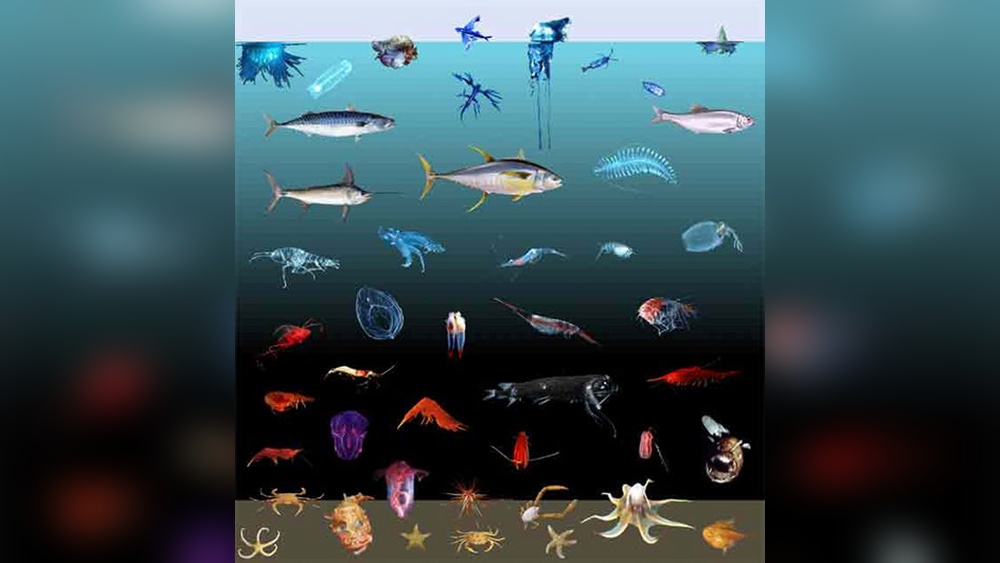
Have you ever wondered what creatures live far beneath the ocean’s surface, where sunlight barely reaches? Animals That Live Deep in the Ocean,The deep ocean is a mysterious world full of strange and amazing animals you’ve probably never seen.
These creatures have adapted in incredible ways to survive under extreme pressure, freezing temperatures, and total darkness. If you’re curious about the hidden life that thrives in the ocean’s deepest parts, this article will reveal some of the most fascinating and unusual animals living in that secret world.
Keep reading—you’ll be surprised by what you discover!
Deep Ocean Zones
The deep ocean is divided into several zones based on depth and light availability. Each zone has unique animals that survive in extreme conditions. These layers range from twilight depths to the darkest, deepest parts.
Understanding these zones helps us learn about the strange creatures living far below the surface. The pressure is high, and sunlight barely reaches, yet life thrives in these mysterious depths.
Mesopelagic Zone
The mesopelagic zone is also called the twilight zone. It ranges from 200 to 1,000 meters deep. Some light reaches here, but it is very faint. Many animals here have big eyes to see in low light. Creatures like lanternfish and squid live in this zone.
Bathypelagic Zone
The bathypelagic zone lies between 1,000 and 4,000 meters deep. It is completely dark. No sunlight reaches this zone. Animals here often produce their own light using bioluminescence. Giant squid and anglerfish are common residents.
Abyssopelagic Zone
The abyssopelagic zone starts at 4,000 meters and goes down to 6,000 meters. It is pitch black and freezing cold. Few animals can survive here. Creatures like deep-sea sea cucumbers and basket stars live in this extreme environment.
Hadalpelagic Zone
The hadalpelagic zone is the deepest part of the ocean. It includes ocean trenches below 6,000 meters. The pressure here is crushing. Very few species live in this zone. Some deep-sea amphipods and tube worms have adapted to these harsh conditions.
:max_bytes(150000):strip_icc()/anglerfish-568e8f1f5f9b58eba47cde42.jpg)
Credit: www.treehugger.com
Adaptations To Deep Sea Life
The deep ocean is a harsh place. It is dark, cold, and under extreme pressure. Animals living here have special ways to survive. These adaptations help them find food, avoid predators, and live in tough conditions. Each adaptation is unique and fascinating.
Bioluminescence
Many deep-sea animals produce their own light. This is called bioluminescence. They use it to attract prey or mates. Some use it to confuse enemies. Light helps them see in total darkness. It also signals other animals nearby.
Pressure Resistance
The pressure in the deep ocean is very high. It can crush normal bodies easily. Deep-sea creatures have strong, flexible bodies. Their cells and bones resist the crushing force. Special proteins help protect their organs. This keeps them alive in deep water.
Slow Metabolism
Food is rare in the deep sea. Animals must use energy carefully. Many have slow metabolisms to save energy. They move slowly and eat less often. This adaptation helps them survive long without food. It allows them to live in a place with little nourishment.
Enhanced Senses
Light is almost absent in deep waters. Animals rely on other senses to find food and mates. Some have large eyes to catch faint light. Others use smell or touch to detect prey. These enhanced senses guide them in the dark ocean.
Iconic Deep Sea Creatures
The deep ocean holds some of the strangest and most fascinating creatures on Earth. These animals live in total darkness, under high pressure and cold temperatures. They have unique shapes and behaviors that help them survive in this harsh world.
Many deep sea creatures have features that look like they belong in a science fiction story. Their strange forms and glowing parts make them stand out. Here are some iconic deep sea animals that capture our imagination.
Giant Squid
The giant squid is one of the largest invertebrates. It can grow up to 40 feet long. It lives far below the ocean surface, where light barely reaches. Its large eyes help it see in the dark. The squid uses long tentacles to catch prey like fish and smaller squid.
Anglerfish
Anglerfish are famous for their glowing lure. This light hangs from a rod on their heads. It attracts smaller fish close enough to be caught. Anglerfish have sharp teeth and a huge mouth. They can eat prey almost as big as themselves.
Vampire Squid
The vampire squid looks like a mix between a squid and an octopus. It has dark skin and red eyes. It lives in deep, oxygen-poor waters. This creature feeds on marine debris and small particles. Its cloak-like webbing helps protect it from predators.
Goblin Shark
The goblin shark has a long, flat snout that sticks out. Its mouth can snap forward to catch prey quickly. This shark is rarely seen because it lives very deep. Its pale skin gives it a ghostly look. It feeds on fish, squid, and crustaceans.
Unusual Deep Sea Species
The deep ocean is home to many strange and fascinating animals. These creatures live in dark, cold places with high pressure. They have unique shapes and features. These adaptations help them survive in harsh conditions. Many deep sea species look like they belong to another world.
Some deep sea animals use light to attract prey or mates. Others have big teeth or odd bodies. They reveal the ocean’s mysteries. Understanding these creatures helps us learn about life on Earth.
Deep Sea Dragonfish
The deep sea dragonfish has a scary appearance. It has long, sharp teeth that shine in the dark. This fish produces its own light to find food. It uses a special organ called photophores. The dragonfish’s body is thin and dark. It can live at depths over 1,500 meters.
Dumbo Octopus
The dumbo octopus is named for its ear-like fins. These fins look like the ears of Disney’s Dumbo. It lives very deep, around 4,000 to 7,000 meters down. The dumbo octopus floats by flapping its fins slowly. It eats small animals like worms and crustaceans. Its soft body helps it survive under pressure.
Yeti Crab
The yeti crab has hairy claws that look like fur. These hairs grow bacteria that may help the crab get food. It lives near hydrothermal vents on the ocean floor. The yeti crab uses its claws to clean and farm bacteria. It thrives in hot, dark water where few animals live.
Fangtooth Fish
The fangtooth fish has the largest teeth compared to its body size. Its teeth are so big they cannot close its mouth fully. It lives deep in the ocean, about 2,000 meters down. This fish has a strong body and dark color. It waits in the dark to catch small prey.
Deep Sea Ecosystems
The deep sea is a dark, cold, and high-pressure world. Many creatures live in this strange place. These animals survive in tough conditions. They find food and shelter in unique habitats. These habitats form deep sea ecosystems. Each ecosystem supports different life forms. Understanding these ecosystems helps us learn about ocean life.
Hydrothermal Vents
Hydrothermal vents are underwater hot springs. They release mineral-rich water heated by the Earth’s core. Strange animals live here. Tube worms, giant clams, and shrimp thrive near vents. These creatures depend on bacteria that use chemicals from the vents. No sunlight reaches here. Life relies on chemicals, not photosynthesis.
Cold Seeps
Cold seeps are spots where gas and oil leak from the ocean floor. These areas support special animals like mussels and worms. They use bacteria to turn chemicals into energy. Cold seeps have less heat than vents. Life here is slower but steady. These ecosystems add diversity to the deep ocean.
Seamounts
Seamounts are underwater mountains rising from the ocean floor. They attract many fish and coral species. Strong currents bring food to these spots. Seamounts offer shelter and breeding grounds. Many migratory animals visit seamounts. They are hotspots of deep sea biodiversity.
Abyssal Plains
Abyssal plains are vast, flat areas on the deep ocean floor. They cover much of the Earth’s surface. Life here includes small worms, crustaceans, and microbes. Food is scarce and often falls from above. These plains are quiet but vital to ocean health. Creatures adapt to survive in this vast dark space.
Challenges Of Studying Deep Sea Life
Studying animals that live deep in the ocean is very hard. The deep sea is a strange and tough place. Scientists face many problems trying to learn about these creatures. The environment is extreme, the tools are limited, and exploring costs a lot of money.
Extreme Environment
The deep ocean has crushing pressure and freezing cold. The pressure can be over 1,000 times stronger than on land. Few machines can survive this force. Light does not reach these depths, making it pitch dark. The cold water slows down many processes. These conditions make studying life very difficult.
Limited Technology
Technology to explore deep sea is still growing. Robots and submarines are used but they have limits. They can only go so deep and stay so long. Cameras and sensors must work in harsh conditions. Sometimes equipment breaks or fails. This limits the amount of data scientists can collect.
High Exploration Costs
Deep sea missions cost a lot of money. Special vessels, equipment, and crews are needed. Expeditions can last weeks or months. Funding is often limited, so trips are rare. High costs reduce the chance to explore often. This slows down discoveries about deep sea animals.
Future Discoveries
The deep ocean hides many secrets. It is one of the least explored places on Earth. Scientists expect many exciting discoveries in the years ahead. New creatures and ecosystems may be found. These findings can teach us about life in extreme conditions. They can also help us understand Earth’s history and future.
Technology is improving quickly. It allows us to reach deeper and study more carefully. Protecting these fragile habitats is becoming a priority. Future discoveries depend on both exploration and care for the ocean.
New Species Potential
Thousands of species may still live undiscovered deep underwater. Many of them have unusual shapes and colors. Some animals can glow or survive without sunlight. Finding these species can change how we see life on Earth. New species may hold clues to science and medicine. Each discovery adds to our knowledge of nature’s variety.
Advances In Deep Sea Tech
Robots and submarines now dive deeper than before. Cameras and sensors capture clear images and data. These tools help scientists study animals in their natural homes. Improved technology makes exploration safer and faster. It also helps gather samples without harm. The ocean’s depth is no longer a barrier to discovery.
Conservation Efforts
Protecting deep-sea animals is vital for future generations. Pollution and fishing threaten many species. Efforts to create marine protected areas are growing. Scientists work with governments to set rules. These actions help keep deep ocean life safe. Awareness and care are key to preserving these hidden worlds.
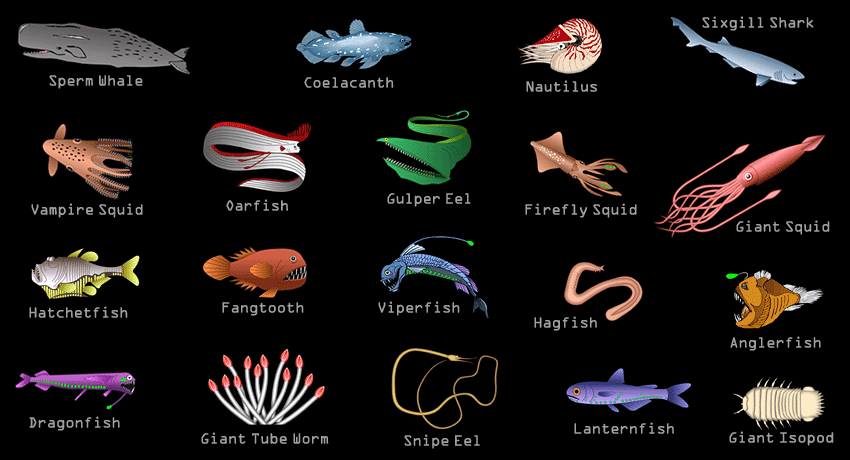
Credit: www.seasky.org

Credit: www.nationalgeographic.com
Frequently Asked Questions
What Are Common Animals Living Deep In The Ocean?
Deep ocean animals include giant squid, anglerfish, vampire squid, and gulper eel. These creatures adapt to extreme pressure and darkness.
How Do Deep-sea Animals Survive Extreme Pressure?
Deep-sea animals have flexible bodies and special enzymes. These adaptations prevent damage from immense water pressure at great depths.
Why Do Deep Ocean Animals Produce Light?
Many deep-sea animals use bioluminescence to attract prey or mates. Light helps them communicate and camouflage in darkness.
What Do Deep Ocean Animals Eat?
Deep-sea creatures mostly eat detritus, smaller fish, or each other. Food is scarce, so many have slow metabolisms and opportunistic diets.
Conclusion
The deep ocean holds many strange and amazing animals. They live in dark, cold places with high pressure. These creatures have unique ways to survive and find food. Exploring them helps us understand life on Earth better. The ocean’s depths still hide many secrets.
Scientists continue to discover new species every year. Learning about these animals shows how diverse nature can be. The deep sea reminds us of nature’s wonders and mysteries. It invites us to keep exploring and protecting our planet’s hidden worlds. Happy reading Animals That Live Deep in the Ocean.
How Much Do Fishes Cost at PetSmart? Guide & Tips