
Have you ever wondered where the brightly colored poison arrow frogs make their home? Poison Arrow Frog Habitat,These tiny creatures live in some of the most fascinating and unique places on Earth.
Understanding their habitat can help you appreciate how they survive and thrive in the wild. If you want to discover what makes their environment special and why it’s crucial for their survival, keep reading. Your curiosity about these amazing frogs is about to be rewarded with surprising facts and vivid details you won’t want to miss.

Credit: www.petassure.com
Habitat Types
Poison arrow frogs thrive in very specific habitat types that provide the moisture, shelter, and food they need. These frogs are mostly found in tropical areas where the environment supports their bright colors and toxic defense. Understanding their habitat types helps us learn how they survive and why they are so unique. The main habitats include rainforests, wetlands, swamps, and different elevation zones. Each habitat offers different conditions that affect the frogs’ behavior and life cycle.
Rainforest Environment
The rainforest is the most common habitat for poison arrow frogs. These frogs live in the warm, humid layers of the forest. The dense trees and thick plant life create a perfect place for them to hide and hunt insects. Rainforests have a stable temperature and high humidity, which keep the frogs’ skin moist. Moist skin is important because poison arrow frogs breathe through it.
- Temperature: Usually between 70°F and 85°F (21°C to 29°C).
- Humidity: Very high, often above 80%.
- Shelter: Fallen leaves, moss, and tree bark provide safe hiding spots.
- Food: Small insects like ants, mites, and beetles.
The rainforest environment also supports the frogs’ bright colors. These colors warn predators about their poison. Without the dense plants and constant moisture of the rainforest, poison arrow frogs would not survive well.
Wetlands And Swamps
Wetlands and swamps are important habitats for some poison arrow frog species. These areas are wet and often flooded. The frogs use the water for breeding and laying eggs. Tadpoles grow in these water bodies until they become adult frogs. Wetlands and swamps have many hiding places like roots and plants, which protect the frogs from predators.
Key features of wetlands and swamps include:
- Standing Water: Provides breeding grounds for frogs.
- Vegetation: Water plants and roots offer protection.
- Insect Life: Rich in insects that serve as food.
These habitats can be seasonal or permanent. Seasonal wetlands dry up during part of the year, so frogs must adapt to changes in water availability. Swamps usually have slow-moving water and thick plants, creating a complex habitat that supports many frog species.
Elevation Range
Poison arrow frogs live at different elevations, from lowlands to mountainous regions. Elevation affects temperature, humidity, and oxygen levels. Most poison arrow frogs prefer low to mid elevations where it stays warm and wet. Some species can live higher up where it is cooler.
| Elevation Zone | Temperature Range | Humidity Level | Typical Frog Species |
|---|---|---|---|
| Lowland (0-500 m) | 75°F – 90°F (24°C – 32°C) | High (80%+) | Dendrobates auratus, Oophaga pumilio |
| Mid Elevation (500-1500 m) | 65°F – 75°F (18°C – 24°C) | Moderate to High | Ranitomeya variabilis, Ameerega trivittata |
| High Elevation (1500+ m) | 50°F – 65°F (10°C – 18°C) | Moderate | Some rare species adapted to cooler climates |
Elevation changes the environment a frog faces. Frogs at higher elevations must handle cooler temperatures and less oxygen. They often have different behaviors or diets than lowland frogs. This range allows poison arrow frogs to live in many parts of Central and South America.
Geographic Distribution
The geographic distribution of poison arrow frogs spans several regions in the Americas. These small, brightly colored amphibians live mostly in tropical rainforests and humid environments. Their habitats vary by species, but all require moist conditions to survive and thrive. Understanding where these frogs live helps protect their environments and learn about their behavior.
Central America Locations
Poison arrow frogs inhabit many parts of Central America. Their range extends from southern Mexico down through countries like Guatemala, Belize, Honduras, Nicaragua, Costa Rica, and Panama. These frogs prefer humid lowland forests and mountain cloud forests in this region.
Key areas include:
- Costa Rica’s Caribbean lowlands – rich in biodiversity and home to various frog species
- Panama’s rainforests – provide dense vegetation and moist conditions
- High-altitude cloud forests in Guatemala and Honduras – cooler and wetter environments
Central American poison arrow frogs often stay near streams or leaf litter on the forest floor. They lay eggs on moist surfaces and need water for tadpole development. Conservation efforts focus on protecting these habitats from deforestation and pollution.
South America Locations
South America hosts the largest variety of poison arrow frogs. Countries like Colombia, Ecuador, Venezuela, Peru, and Brazil have many species. The Amazon Basin and Andean foothills are the main hotspots for these frogs.
Important locations include:
| Country | Habitat Type | Notable Frog Species |
|---|---|---|
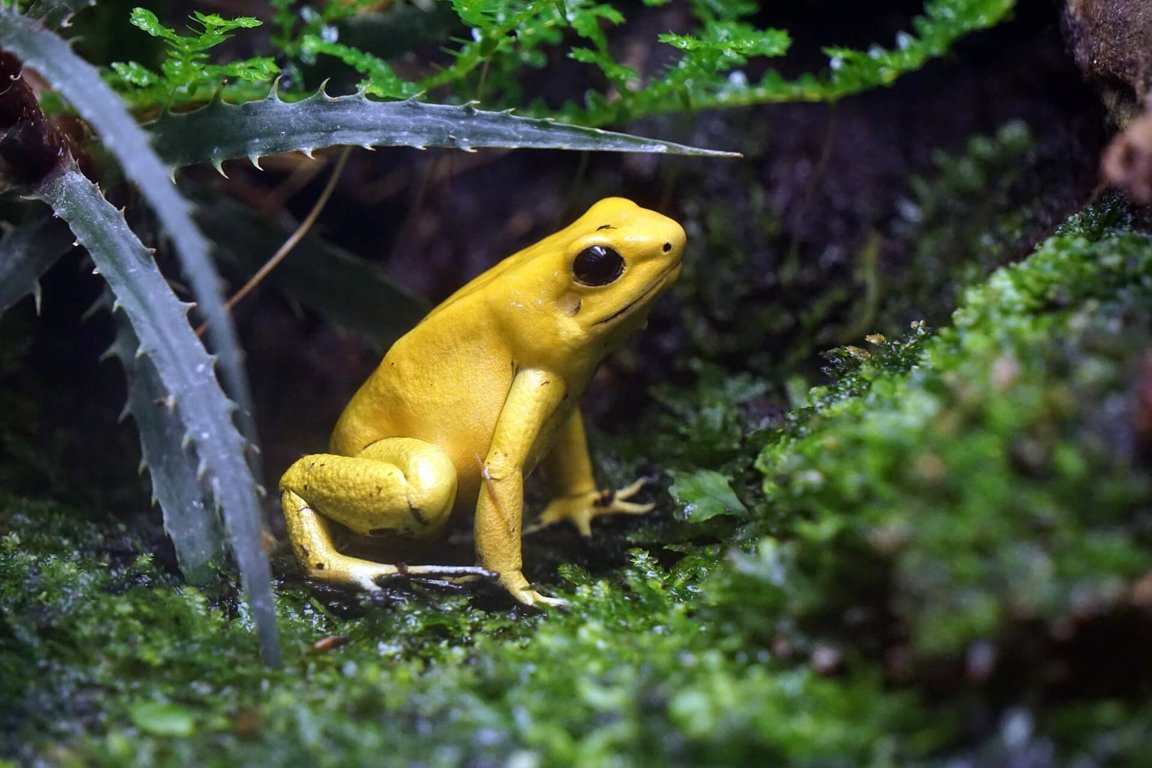
| Colombia | Amazon rainforest, Andean cloud forests | Golden poison frog, Blue poison dart frog |
| Ecuador | Amazon lowlands, eastern slopes of the Andes | Strawberry poison frog, Green and black poison dart frog |
| Peru | Amazon rainforest, montane forests | Phantasmal poison frog, Mantella species |
These frogs live in areas with dense vegetation and abundant rainfall. The diversity of poison arrow frogs increases with elevation changes, showing a variety of adaptations.
Island Populations
Some poison arrow frogs also live on islands close to the mainland. These island populations tend to be smaller and sometimes show unique traits. Islands offer isolated habitats that can lead to special adaptations in frog species.
Examples of island habitats include:
- Gorgona Island, Colombia – tropical rainforest with several endemic frog species
- Isla de la Plata, Ecuador – moist forest habitat with limited frog diversity
- San Andrés, Caribbean Sea – smaller populations, often affected by human activity
Island poison arrow frogs face threats from habitat loss and invasive species. Their limited range makes conservation vital. Scientists study these frogs to understand how isolation affects evolution and survival.
Microhabitat Preferences
Poison arrow frogs live in very specific spots within their tropical forest homes. Their microhabitat preferences help them find food, stay safe, and reproduce. These tiny frogs choose areas with the right moisture, cover, and temperature. Understanding these small habitats shows how well adapted they are to their environment.
Leaf Litter
Leaf litter on the forest floor forms a soft, damp layer where many poison arrow frogs spend much of their time. This layer provides:
- Protection from predators by blending in with dead leaves.
- Humidity that keeps their skin moist, essential for breathing and survival.
- Food sources like ants and small insects hiding in the leaves.
The frogs move carefully through the leaf litter, using it as cover during the day. At night, they become more active, hunting for prey. The temperature in leaf litter stays cooler and more stable, helping frogs avoid overheating.
| Factor | Benefit to Poison Arrow Frogs |
|---|---|
| Moisture | Prevents drying out, supports skin respiration |
| Camouflage | Helps avoid predators |
| Food Availability | Rich supply of small insects |
Tree Canopies
Some poison arrow frog species prefer higher spots in the forest, like tree canopies. These microhabitats offer:
- Safety from many ground predators.
- Access to water pools in tree holes for laying eggs.
- Rich insect life among leaves and branches.
Living in the canopy requires frogs to be excellent climbers. Their sticky toe pads help them move across wet leaves and bark. Canopy frogs avoid the hotter ground by staying in shaded areas with good air flow.
Daily life in the canopy:
- Rest during the hottest hours in shaded leaves.
- Hunt for small insects at dawn and dusk.
- Use water-filled tree holes to keep eggs safe.
Stream Edges
Edges of streams and small rivers provide ideal microhabitats for many poison arrow frogs. These spots offer:
- Constant moisture needed for skin health.
- Breeding grounds in small pools for tadpoles.
- Abundant food from insects attracted to water.
Frogs near streams often stay close to the water but use nearby plants and rocks for cover. The water temperature is cooler and stable, which helps eggs and tadpoles develop safely. Frogs use their calls loudly here to attract mates, as the sound carries well over water.
| Microhabitat Feature | Role for Poison Arrow Frogs |
|---|---|
| Water Availability | Supports egg laying and tadpole growth |
| Humidity | Maintains skin moisture |
| Food | Insects attracted to water |
Credit: www.earthandanimals.com
Climate Impact
The habitat of the Poison Arrow Frog is highly sensitive to climate conditions. Climate impacts play a crucial role in their survival and behavior. These frogs depend on specific temperature, humidity, and seasonal patterns to thrive. Changes in climate can alter their habitat and reduce their chances of survival. Understanding how climate affects these frogs helps in their conservation and protection.
Temperature Requirements
Poison Arrow Frogs need warm temperatures to stay active and healthy. Their ideal temperature range is usually between 70°F to 85°F (21°C to 29°C). Temperatures below or above this range can stress the frogs and affect their metabolism.
Key points about their temperature needs:
- Warm temperatures help maintain their skin moisture.
- Cooler temperatures can slow down their activity.
- Too hot environments may cause dehydration and heat stress.
Many Poison Arrow Frogs live in tropical rainforests where temperatures stay fairly stable. The table below shows typical temperature ranges in their natural habitats:
| Region | Average Day Temperature | Average Night Temperature |
|---|---|---|
| Amazon Rainforest | 79°F (26°C) | 70°F (21°C) |
| Central America | 82°F (28°C) | 72°F (22°C) |
| Andes Foothills | 75°F (24°C) | 65°F (18°C) |
Stable temperatures are vital. Sudden changes can cause illness or reduce breeding success. The frogs rely on these conditions year-round.
Humidity Levels
Humidity is another important factor for Poison Arrow Frogs. They need a moist environment to keep their skin healthy and to avoid drying out. Ideal humidity levels range from 75% to 100%.
Important details about humidity:
- High humidity supports skin respiration and hydration.
- Low humidity causes dehydration and skin problems.
- Humidity helps maintain breeding sites like small pools and leaf litter.
These frogs often live near streams or in dense forests that keep humidity high. They use moist leaves and moss as shelter. Changes in humidity due to climate shifts can affect their survival.
Humidity levels in common habitats:
| Location | Average Humidity | Seasonal Variation |
|---|---|---|
| Amazon Basin | 85% – 95% | Minimal |
| Central American Rainforest | 80% – 90% | Moderate |
| Andes Mountain Slopes | 75% – 85% | Higher variation |
Maintaining high humidity is critical for these frogs to thrive. Dry spells or habitat loss can lower humidity and harm the population.
Seasonal Changes
Seasonal changes influence the behavior and habitat of Poison Arrow Frogs. Most species live in areas with wet and dry seasons. These changes affect breeding, food availability, and shelter.
How seasons affect the frogs:
- Wet Season: Increased rainfall creates breeding pools and moist environments.
- Dry Season: Reduced water sources force frogs to find moist microhabitats.
- Temperature shifts: Slight changes affect activity and reproduction cycles.
During the wet season, frogs are more active and breed in temporary water bodies. The dry season may limit breeding and increase risks of dehydration.
Seasonal impact summary:
- Wet season supports high frog activity and reproduction.
- Dry season creates survival challenges and limits movement.
- Frogs adapt by seeking shade, burrowing, or staying near water.
Climate change can disrupt these seasonal patterns. Altered rainfall or temperature may shorten wet seasons or extend dry spells. These shifts reduce suitable habitats and threaten frog populations.
Human Influence
The habitat of the poison arrow frog faces many challenges due to human activities. These frogs live mainly in tropical rainforests, which humans often alter or destroy. Human influence changes the environment where these frogs thrive. Such changes can harm their survival and reduce their numbers. Understanding how humans impact their habitat helps in protecting these bright and unique amphibians.
Deforestation Effects
Deforestation is the removal of trees and plants in the rainforest. It happens because of farming, logging, and building roads or homes. This process greatly affects poison arrow frogs. These frogs rely on moist, shady places with lots of plants. When trees are cut down, the forest becomes dry and hot. This change makes it hard for frogs to live and find food.
Key impacts of deforestation on poison arrow frogs:
- Loss of shelter and breeding spots
- Higher exposure to predators and weather
- Reduction in insect prey
- Disruption of the forest’s water cycle
The table below shows how deforestation affects frog habitats:
| Deforestation Effect | Impact on Frog Habitat |
|---|---|
| Tree Loss | Less shade, higher temperature |
| Plant Removal | Fewer hiding places and breeding sites |
| Soil Exposure | Dryer ground, less humidity |
| Water Cycle Disruption | Less available water for eggs and tadpoles |
Habitat Fragmentation
Habitat fragmentation splits large forest areas into smaller patches. Roads, farms, and towns cause this division. Poison arrow frogs need continuous forest to move and find mates. Fragmented habitats trap frogs in small zones. This isolation lowers their chance to survive and reproduce.
Problems caused by habitat fragmentation include:
- Limited access to food and mates
- Increased risk of inbreeding
- Higher vulnerability to predators and diseases
- Difficulty escaping harmful conditions
Fragmentation affects population size and genetic diversity. Smaller groups face more threats and have less ability to adapt. Connecting forest patches with green corridors can help frogs move safely.
Conservation Areas
Conservation areas protect poison arrow frog habitats from human damage. These zones keep forests safe from cutting trees and building. Many countries create parks and reserves to support wildlife. Conservation helps maintain the forest environment frogs need.
Benefits of conservation areas for poison arrow frogs:
- Preserves natural habitat and water sources
- Reduces hunting and collecting of frogs
- Supports research and monitoring of frog populations
- Promotes education about rainforest importance
Protected areas often work with local communities. They teach people to value frogs and forests. These efforts improve the chance for poison arrow frogs to survive and grow their populations over time.
Credit: www.thebiodude.com
Adaptations To Habitat
The poison arrow frog thrives in diverse habitats within tropical rainforests, mainly in Central and South America. These tiny amphibians have developed unique adaptations to survive in such environments. Their survival depends on how well they adjust to the climate, vegetation, and available resources. Understanding these adaptations reveals how poison arrow frogs maintain their place in the ecosystem despite challenges like predators and competition.
Camouflage And Coloration
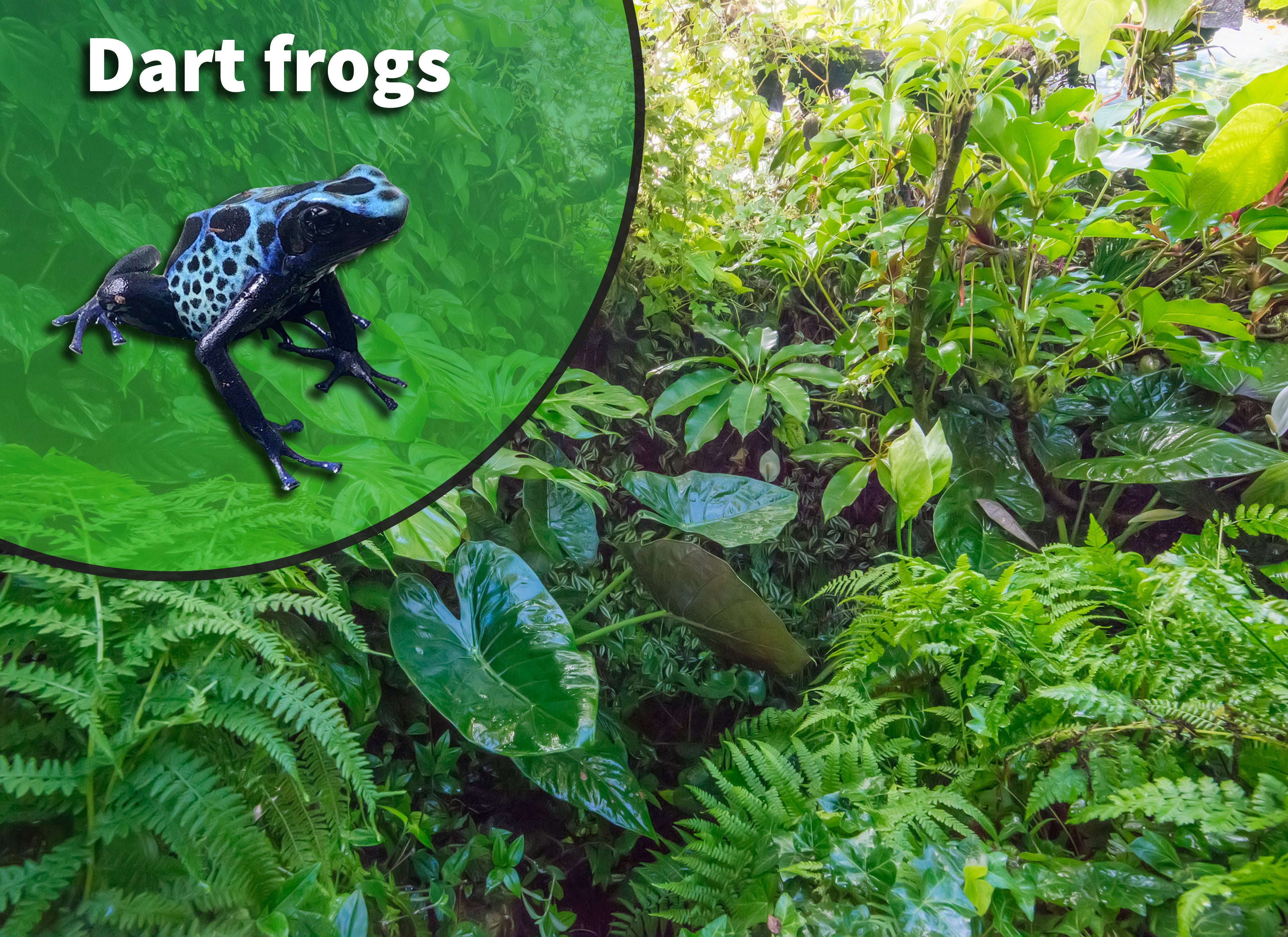
Poison arrow frogs use bright colors and patterns as a key survival tool. Their vivid hues warn predators of their toxicity, a defense mechanism called aposematism. This visual signal helps reduce attacks from animals that have learned to avoid them. Some species have:
- Bright reds, yellows, blues, and greens that stand out against the forest floor.
- Patterns like stripes or spots that break up their outline, making them harder to spot.
Despite their bright colors, some frogs can blend well with their environment. They often live among colorful leaves, flowers, or moss, which matches their skin tones. This combination of warning and camouflage keeps them safe in multiple ways.
Here is a simple comparison of coloration types:
| Coloration Type | Purpose | Example Species |
|---|---|---|
| Aposematic (Bright Colors) | Warns predators of poison | Dendrobates tinctorius (Dyeing poison frog) |
| Camouflage (Patterned Skin) | Blends with environment | Phyllobates terribilis (Golden poison frog) |
Breeding Sites
Poison arrow frogs choose breeding sites carefully to protect their eggs and tadpoles. These frogs rely on small, moist areas to lay their eggs, usually close to water sources. Common breeding sites include:
- Leaf axils – small water pools in the folds of leaves.
- Tree holes filled with rainwater.
- Small ponds or streams on the forest floor.
Male frogs often guard the eggs and transport tadpoles to safe water spots. Some species carry tadpoles on their backs to distant pools for better survival chances. The choice of breeding site depends on:
- Availability of fresh water
- Protection from predators
- Stable temperature and humidity
These adaptations help increase the survival rate of their offspring in a challenging rainforest environment.
Diet And Prey
Poison arrow frogs eat small insects and other tiny creatures. Their diet mainly consists of:
- Ants
- Termites
- Beetles
- Small spiders
They catch prey using their sticky tongues and quick movements. The frogs’ diet influences their toxicity. Poison comes from chemicals in their prey, especially certain ants and mites. Frogs raised in captivity without these insects lose their poison over time.
Their hunting strategies include:
- Waiting quietly near prey paths.
- Using bright colors to avoid predators while hunting.
- Active searching during the day since they are diurnal.
Here is a quick summary of their diet and toxin link:
| Diet Component | Role in Toxicity |
|---|---|
| Ants and Mites | Provide alkaloids for poison |
| Beetles and Spiders | Main food source, less toxin effect |
Frequently Asked Questions
Where Do Poison Arrow Frogs Live In The Wild?
Poison arrow frogs mainly inhabit Central and South American rainforests. They thrive in moist, humid environments near water sources like streams and ponds. These areas provide ideal conditions for breeding and feeding, supporting their survival and vibrant colors.
What Type Of Habitat Suits Poison Arrow Frogs Best?
Poison arrow frogs prefer tropical rainforests with dense vegetation and constant humidity. They need moist leaf litter and clean water for laying eggs. These habitats offer shelter and abundant insects, their primary food source, ensuring their health and reproduction.
How Does Habitat Affect Poison Arrow Frog Toxicity?
The toxicity of poison arrow frogs depends on their diet in the wild. Frogs in natural habitats consume toxic insects, which contribute to their poison. In captivity, lack of these insects reduces their toxicity, making habitat crucial for maintaining their defense mechanism.
Why Is Habitat Conservation Vital For Poison Arrow Frogs?
Habitat conservation protects poison arrow frogs from deforestation and pollution threats. Maintaining rainforest ecosystems ensures their survival and biodiversity. Conservation efforts help preserve their natural environment, crucial for breeding, feeding, and sustaining their toxic defense systems.
Conclusion
Poison arrow frogs live mainly in rainforests and near streams. These areas give them shelter and food. Their bright colors warn predators to stay away. Protecting their habitat helps keep them safe. Rainforest loss can harm these frogs a lot.
Small changes in nature affect their survival. We must care about where they live. Saving their homes means saving the frogs too. Nature’s balance depends on all creatures, big and small. Understanding their habitat helps us protect wildlife better. Thanks reading poison arrow frog habitat.
Small Black Frogs in My Yard: Surprising Facts You Should Know