
Have you ever wondered what really sets horses and zebras apart? At first glance, they might look similar, but there are surprising differences that make each unique.
Understanding these differences can change the way you see these incredible animals. You’ll discover what makes horses and zebras special, from their appearance to their behavior. Keep reading—you won’t want to miss these fascinating facts that could change your perspective forever.

Credit: www.dallasequestriancenter.com
Physical Characteristics
Horses and zebras share many features, but their physical traits differ in clear ways. These differences help each animal survive in its environment. Understanding their body size, coat patterns, and mane and tail features reveals how unique each species is.
Body Size And Shape
Horses are usually larger and heavier than zebras. Their bodies are built for speed and endurance. Zebras have a stockier build with shorter legs. Their compact shape helps them move quickly through dense grass. Horses tend to have longer necks and legs, which aid in running fast on open land.
Coat Patterns
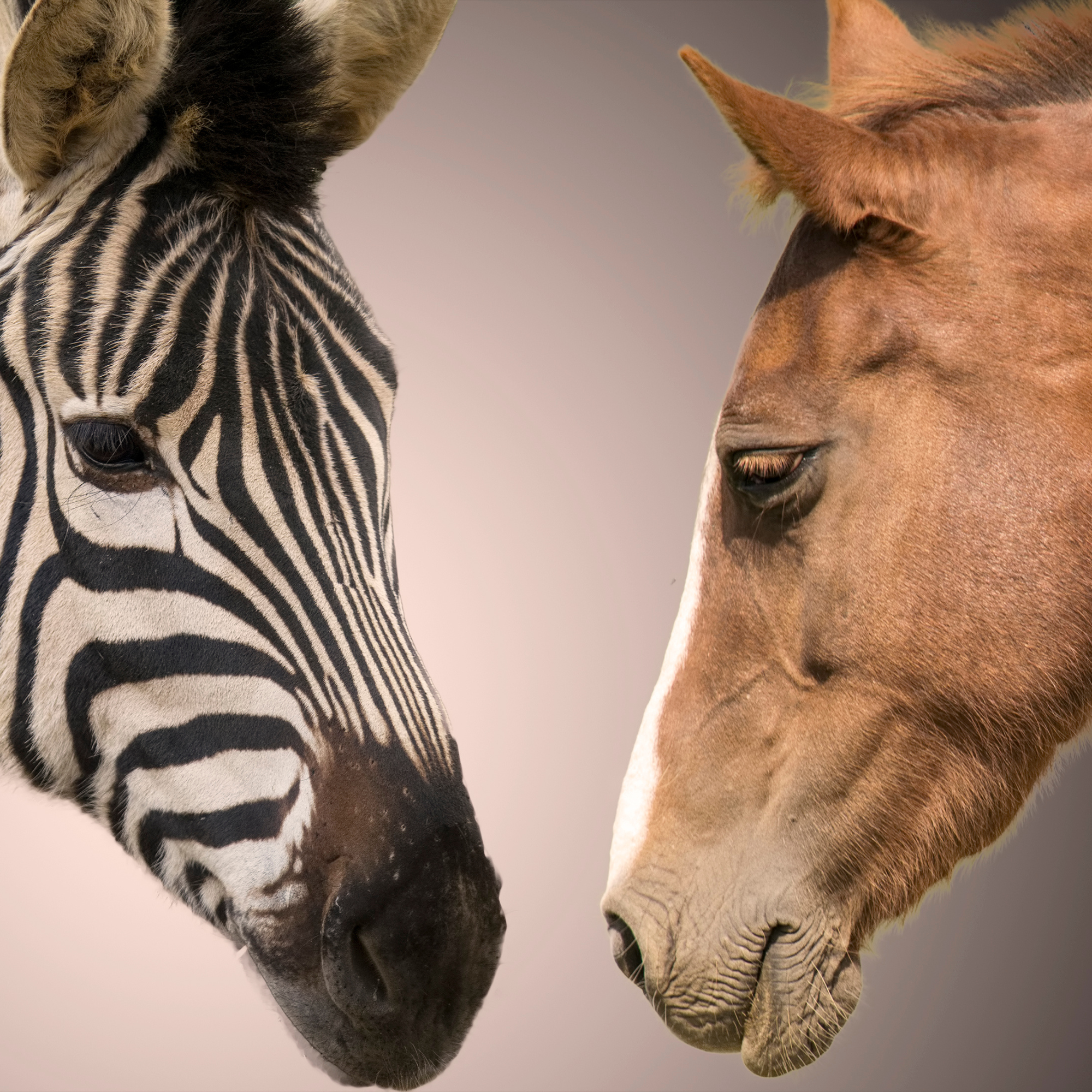
Zebras are famous for their black and white stripes. Each zebra’s stripe pattern is unique, like a fingerprint. These stripes help zebras hide from predators by blending into tall grass. Horses have solid coat colors, such as brown, black, or white. Some horses have spots or patches, but never stripes like zebras.
Mane And Tail Differences
Zebras have short, upright manes that stand straight up. Their manes have stripes that match their body patterns. Horses have longer manes that often fall to one side. Horse tails are full and flowing. Zebra tails have a tuft of hair at the end, with a mostly bare tail bone.
Credit: www.justhorseriders.co.uk
Habitat And Distribution
Horses and zebras live in different parts of the world. Their habitats and distribution show clear differences. Understanding where they live helps us see how they have adapted to their environments. These differences affect their behavior and survival.
Native Regions
Horses originally come from Europe, Asia, and North America. Over time, humans spread them across many countries. Today, horses live on every continent except Antarctica.
Zebras are native to Africa only. They mostly live in the eastern and southern parts of the continent. Their range is much smaller than horses.
Preferred Environments
Horses prefer open grasslands and plains. They thrive in temperate climates with plenty of water. Farms and ranches also provide good habitats for them.
Zebras live mainly in savannas, grasslands, and some woodlands. They need areas with tall grasses for food and cover. Zebras can survive in dryer areas better than horses.
Behavior And Social Structure
Horses and zebras show clear differences in how they behave and live in groups. These differences affect their safety, feeding, and social lives. Understanding their behavior and social structure reveals how each animal adapts to its environment.
Herd Dynamics
Horses live in stable herds led by a dominant stallion. The herd usually includes several mares and their young foals. This group stays together for long periods, providing safety and support.
Zebras also form herds but with more fluid group membership. Their groups change often, and males may lead small harems of females. Zebras rely on numbers and movement to avoid predators.
Communication Styles
Horses use sounds like whinnies, neighs, and snorts to communicate. They also use body language, such as ear position and tail movement.
Zebras communicate with barks, brays, and snorts. Their striped patterns may also help them recognize each other and confuse predators.
Daily Activities
Both animals spend much time grazing. Horses often graze in open fields and rest in shaded areas.
Zebras graze on tougher grasses and move more often to find food and water. They stay alert and ready to flee from threats.
Diet And Feeding Habits
Horses and zebras share some eating habits but also have clear differences. Both animals eat plants, but their diets and feeding styles vary. These differences help them survive in their unique environments.
Grazing Patterns
Horses graze for many hours each day. They prefer open grasslands where grass grows long and soft. They eat grass close to the ground and often move in herds. Zebras also graze a lot but tend to eat faster and more roughly. They live in savannas and open woodlands. Zebras can eat tougher grasses that horses avoid. This helps zebras survive when food is scarce.
Food Preferences
Horses like fresh, tender grass and sometimes eat hay or grains. They need clean water and softer plants for good digestion. Zebras eat a wider variety of grasses and leaves. They can digest coarse plants better than horses. Zebras also eat shrubs and bark if needed. This flexible diet helps zebras in dry or harsh conditions.
Domestication And Human Interaction
Horses and zebras share many features, but their relationships with humans differ greatly. Domestication shapes how animals live alongside people. This section explores how horses and zebras interact with humans and their place in our world.
Domestication History
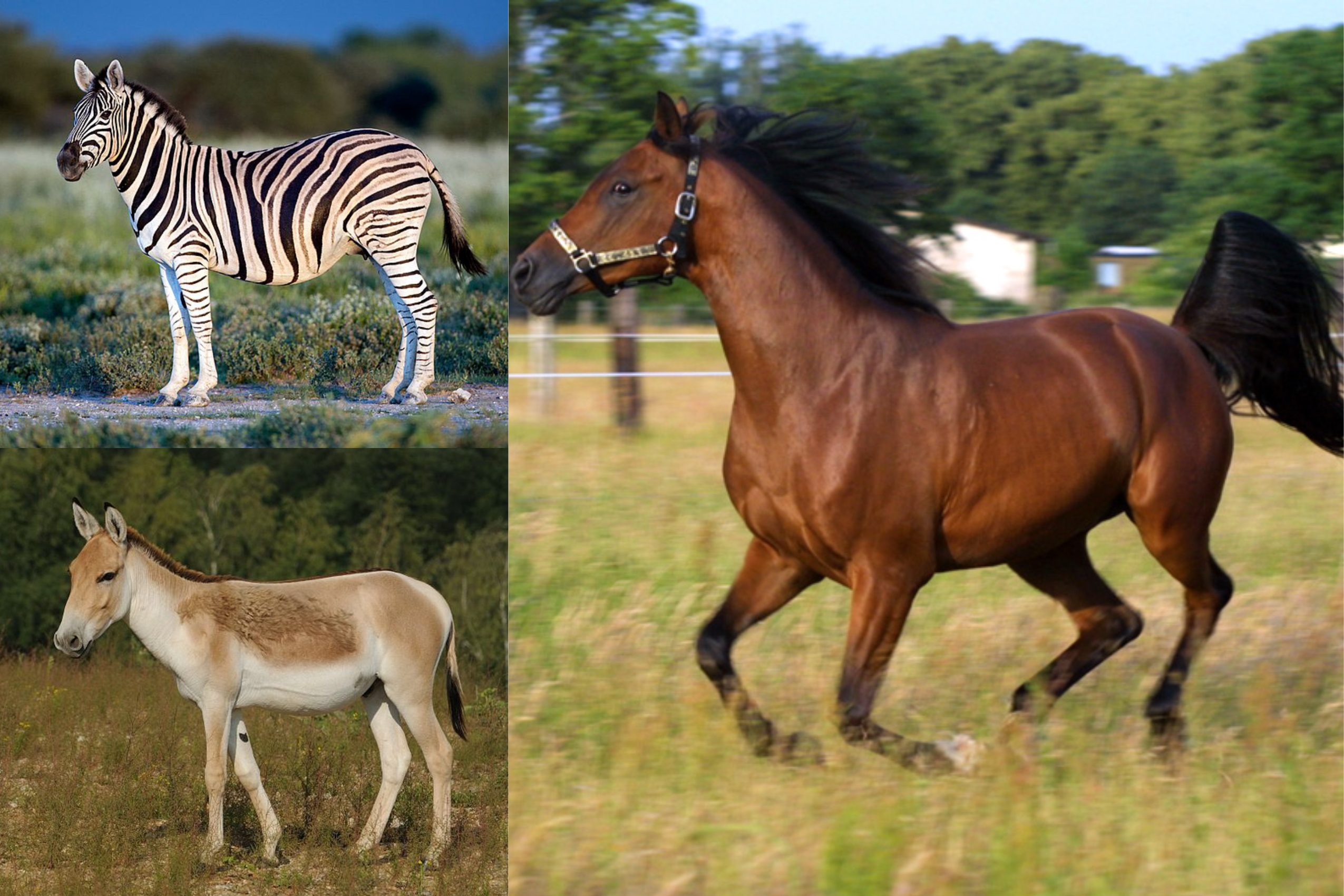
Horses were domesticated about 5,500 years ago. Humans tamed them for work, travel, and food. Over time, horses adapted to life with people. Zebras, on the other hand, have never been truly domesticated.
Zebras are wild animals. They resist taming due to their strong instincts. Their nature makes it hard for humans to control them. This difference affects how humans use these animals today.
Roles In Human Society
Horses have many roles in human society. They help in farming, transportation, and sports. People also keep horses as pets and companions. Horses have become part of many cultures and traditions.
Zebras mostly remain wild and live in nature reserves. They are rarely used for work or travel. Some zoos and parks keep zebras for education and tourism. Their role is mostly to show wildlife, not serve humans.
Credit: en.wikipedia.org
Predators And Defense Mechanisms
Horses and zebras face many dangers in the wild. Both animals have ways to protect themselves from predators. Their defense methods help them survive in harsh environments. Understanding these differences shows how each animal adapts to threats.
Natural Threats
Zebras often live in areas with many predators. Lions, hyenas, and wild dogs hunt them. Horses also face predators, but fewer in number. Wolves and mountain lions are their main threats. Zebras rely on their strong groups to stay safe. Horses depend more on speed and alertness.
Escape Strategies
Zebras use their stripes to confuse predators. This makes it hard for attackers to focus on one zebra. They run in zigzag patterns to escape. Horses run fast in straight lines to outrun danger. Both animals use quick running to survive attacks. Zebras also kick and bite if caught. Horses fight back mainly with strong kicks.
Reproduction And Lifespan
Reproduction and lifespan are key to understanding how horses and zebras differ. These factors influence their survival and role in the wild. Both animals have unique patterns that suit their environments and lifestyles.
Breeding Habits
Horses usually breed once a year. Mares carry their foals for about 11 months. They give birth to one foal at a time. Zebras have a similar pregnancy length but can breed less often in the wild. Male zebras often guard their females closely during breeding. Horses live in herds with clear breeding leaders. Zebras also live in groups but with different social structures. These habits impact how each species raises its young.
Life Expectancy
Horses often live around 25 to 30 years. Some horses can live longer with good care. Zebras usually live about 20 to 25 years in the wild. Predators and harsh environments affect zebra lifespan more. Horses in captivity may live longer than wild zebras. Both animals show strong survival traits through their lifespans.
Conservation Status
Conservation status shows how safe or at risk animals are in the wild. Horses and zebras have different conservation statuses. This difference affects how people protect them and their future survival. Understanding these statuses helps us know what actions are needed.
Population Trends
Wild horses have stable populations in many areas. Some feral horses live freely but face threats from habitat loss. Zebras have more varied population trends. Some species, like the Grevy’s zebra, have fewer numbers and are declining. Plains zebras have larger populations but still face risks. Monitoring these trends guides conservation actions.
Protection Efforts
Horses often benefit from laws that protect wild and domestic populations. National parks and reserves help keep their habitats safe. Zebras receive special attention due to their unique stripes and declining numbers. Conservation groups focus on anti-poaching and habitat preservation. Community education also plays a key role in protecting both animals.
Frequently Asked Questions
What Are The Main Physical Differences Between Horses And Zebras?
Horses have solid-colored coats, while zebras have distinctive black and white stripes. Zebras are generally smaller with a stockier build and shorter legs compared to horses.
How Do Horses And Zebras Differ In Behavior?
Horses are domesticated and social with humans, while zebras are wild and more aggressive. Zebras rely on speed and agility to escape predators.
Are Horses And Zebras Genetically Related?
Yes, horses and zebras belong to the same family Equidae. However, they are different species with distinct genetic traits and adaptations.
Can Horses And Zebras Interbreed?
Yes, they can produce hybrids called zorses. However, these hybrids are usually sterile and rare in the wild due to behavioral differences.
Conclusion
Horses and zebras share many traits but differ in key ways. Zebras have stripes, while horses do not. Their behavior and habitats vary too. Knowing these differences helps us appreciate each animal better. Both animals play important roles in nature.
Understanding them makes us more curious about wildlife. Simple facts can spark great interest. Keep exploring the animal world!