
Have you ever wondered what truly sets a horse apart from a pony? At first glance, they might look quite similar, but the differences go beyond just size.
Knowing these key distinctions can change how you see these amazing animals and help you make better choices if you’re thinking about riding, caring for, or even adopting one. Keep reading, because by the end of this article, you’ll understand exactly what makes horses and ponies unique—and why it matters to you.
Credit: a-z-animals.com
Physical Differences
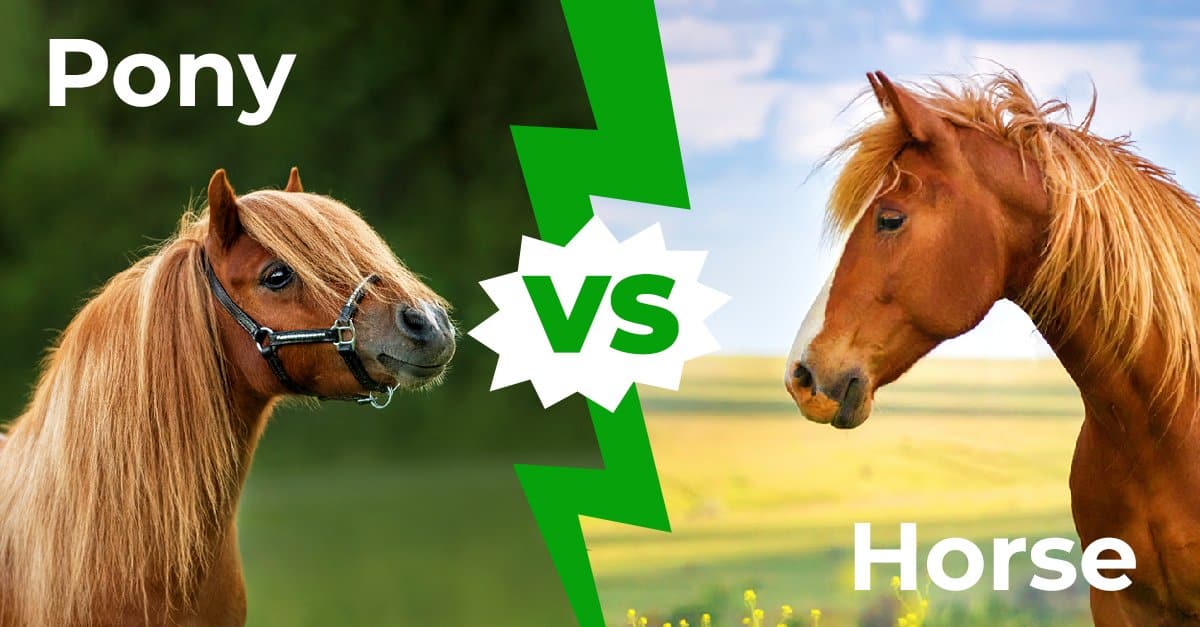
Horses and ponies differ in many ways, especially in their physical traits. These differences help us tell them apart. Understanding these traits makes it easier to recognize each type. Let’s explore the main physical differences between horses and ponies.
Size And Height
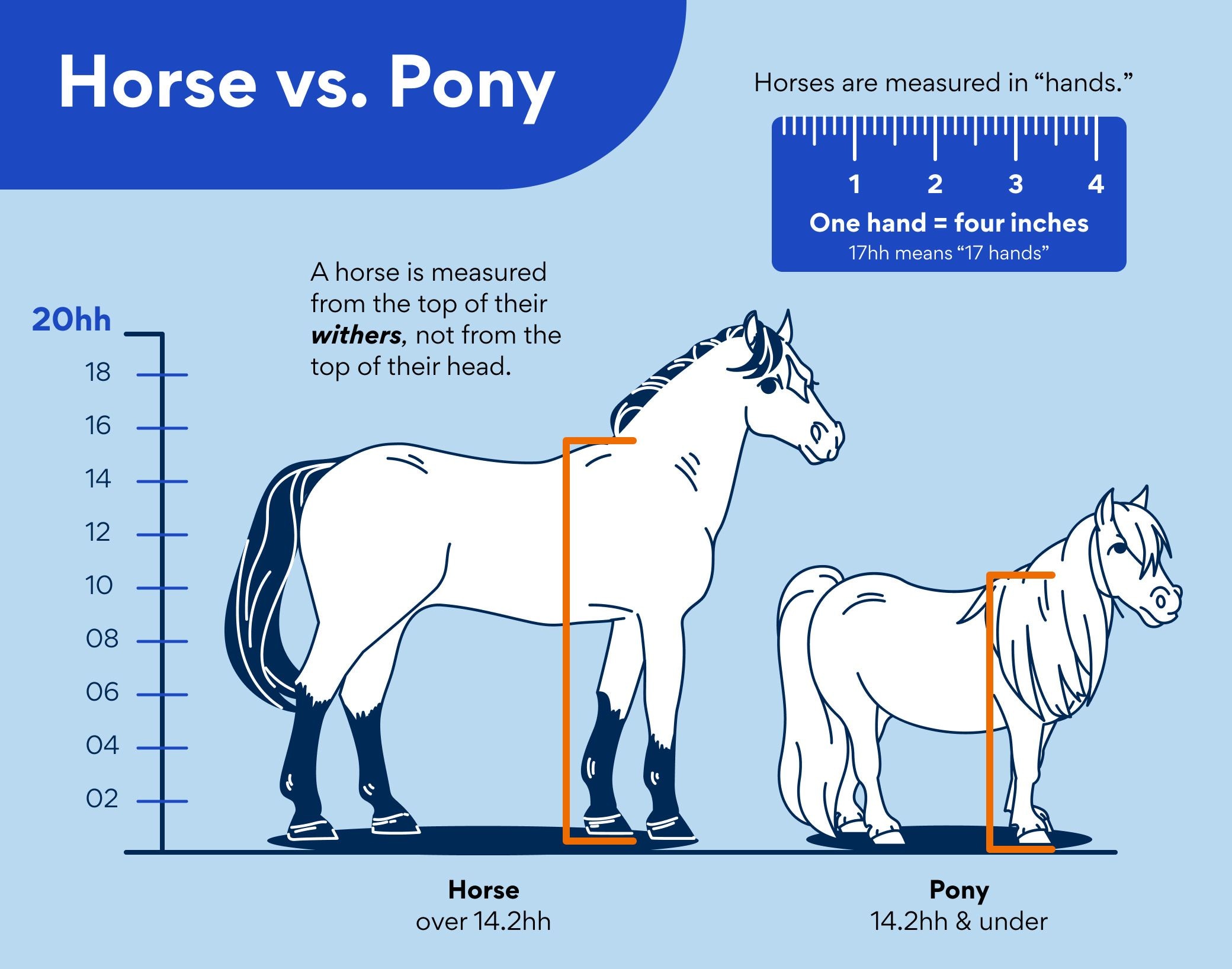
The most obvious difference is size. Ponies are smaller than horses. Ponies usually stand under 14.2 hands high. Horses are taller, often over 14.2 hands. This measurement is from the ground to the top of the shoulder. Size affects their strength and speed.
Body Proportions
Ponies have thicker bodies and shorter legs. Their necks are often shorter and more muscular. Horses have longer legs and leaner bodies. Their necks are longer and more slender. These differences affect how they move and carry weight.
Mane And Tail Characteristics
Ponies have thicker, fuller manes and tails. Their hair often feels coarser. Horses tend to have finer and thinner hair. The mane and tail help protect ponies from cold weather. This makes ponies look fluffier and more robust.
Credit: www.chewy.com
Behavioral Traits
Behavioral traits highlight clear differences between horses and ponies. These traits affect how they act and respond to people. Understanding these can help choose the right animal for riding or work. Both animals have unique habits and ways of showing feelings. This section explores their temperament, energy levels, and trainability.
Temperament
Horses usually have a calm and steady temperament. They often stay relaxed even in new situations. Ponies tend to be more curious and sometimes stubborn. They can be playful but also protective. Both can form strong bonds with humans. Ponies may test limits more than horses.
Energy Levels
Horses have moderate energy and enjoy steady work. They can work for long periods without tiring quickly. Ponies often have higher energy bursts. They like to run and play actively. Their small size does not mean less stamina. Ponies need regular exercise to stay healthy and happy.
Trainability
Horses usually learn commands quickly and follow them well. They respond best to consistent training methods. Ponies can be clever but sometimes more independent. They might need extra patience during training. Both animals benefit from positive reinforcement. Training builds trust and improves behavior in horses and ponies.
Breed Classifications
Breed classifications help us understand the differences between horses and ponies. These groups show how size, shape, and traits vary. Each breed has unique features that suit different needs and environments.
Common Horse Breeds
Horse breeds are usually taller and leaner than ponies. Examples include Thoroughbreds, known for racing speed. Quarter Horses are strong and good for work. Arabians have a distinct head shape and great stamina. These breeds often stand over 14.2 hands tall.
Popular Pony Breeds
Ponies are smaller and sturdier than horses. They often have thicker manes and tails. Shetland Ponies are small but very strong. Welsh Ponies are friendly and good for children. These breeds rarely grow taller than 14.2 hands.
Crossbreeds And Hybrids
Crossbreeds result from mating a horse with a pony or different breeds. These animals may have mixed traits from both parents. Some hybrids are bred for special uses like riding or work. Their size and shape can vary widely. Crossbreeds show how flexible breed classifications can be.
Uses And Roles
Horses and ponies have different uses and roles in many areas. Their size and strength shape what they do best. Both play important parts in riding, work, and more. Understanding these differences helps choose the right animal for a task.
Riding And Work
Horses often carry adults and heavier loads. They work on farms and in police patrols. Ponies are smaller and good for children to ride. They handle light farm work and pull carts. Their size makes ponies easier to manage for small jobs.
Competition And Shows
Horses compete in events like racing and jumping. They perform well in dressage and eventing. Ponies have their own contests for speed and agility. Show ponies often appear in breed-specific classes. Both bring excitement to equestrian sports.
Companionship And Therapy
Ponies provide comfort and friendship to many people. Their gentle nature suits therapy programs well. Horses also offer emotional support and healing. Both animals help children and adults feel calm. They build bonds that last a lifetime.
Care And Maintenance
Caring for horses and ponies requires attention to their unique needs. Each type has specific care and maintenance routines. Understanding these differences helps keep them healthy and happy. This section explains key aspects of care for both horses and ponies.
Dietary Needs
Horses need a balanced diet of hay, grains, and fresh water. They require more food than ponies due to their larger size. Ponies eat less but need high-quality forage. Overfeeding ponies can cause weight problems. Both need access to clean water all day. Supplements may be necessary based on their activity and health.
Grooming Practices
Regular grooming keeps horses’ coats clean and healthy. Horses need daily brushing to remove dirt and loose hair. Ponies also need grooming but less frequently. Both require hoof cleaning to prevent infections. Bathing is occasional, mostly during warm weather. Grooming builds trust and helps spot injuries early.
Health Considerations
Horses and ponies face different health risks. Horses may develop joint issues due to their size. Ponies often have metabolic problems like laminitis. Vaccinations and dental care are important for both. Regular vet check-ups catch problems early. Proper shelter protects them from extreme weather and stress.
Myths And Misconceptions
Many people confuse ponies and horses because of their size differences. This confusion leads to common myths and wrong ideas about their nature and abilities. Clearing up these myths helps us appreciate both animals better. Let’s explore some popular misconceptions about ponies and horses.
Ponies As Miniature Horses
Many believe ponies are just small horses. They look similar but are different animals. Ponies have shorter legs, thicker necks, and stockier bodies. Their bones and muscles differ from horses. Ponies grow less than 14.2 hands tall. Small horses are usually taller. Calling ponies “miniature horses” is incorrect and misleading.
Strength And Endurance Myths
People often think ponies are weaker than horses. This is not true. Ponies are strong for their size. They carry heavy loads and work long hours. Some ponies can pull carts or plow fields. Horses may run faster but ponies have great stamina. Both animals have unique strengths suited to different tasks.
Behavioral Stereotypes
Ponies sometimes get a bad reputation for being stubborn or naughty. Many believe they are harder to train. Training depends on the animal’s personality, not its size. Some ponies are calm and gentle, while some horses may be difficult. Treating ponies with respect and patience leads to good behavior. Stereotypes create unfair views about ponies.

Credit: www.reddit.com
Frequently Asked Questions
What Is The Main Size Difference Between Horses And Ponies?
Ponies are generally under 14. 2 hands tall, while horses exceed this height. Size is the primary factor distinguishing them.
How Do Ponies And Horses Differ In Temperament?
Ponies are often more intelligent and stubborn, while horses tend to be more docile and obedient. Temperament varies by breed.
Are Ponies And Horses Used For Different Activities?
Yes, ponies are ideal for children and light work. Horses are suited for riding, racing, and heavy tasks.
Do Ponies Have Different Physical Traits Than Horses?
Ponies have thicker manes, tails, and overall stockier builds. Horses are usually leaner with longer legs.
Conclusion
Horses and ponies may look similar but differ in size and build. Ponies are smaller with thicker bodies and shorter legs. Horses tend to be taller and leaner. Both animals have unique traits and uses. Knowing these differences helps in choosing the right one.
Whether for riding or work, each has its place. Understanding these facts makes caring for them easier. Simple yet important distinctions define horses and ponies clearly.