
Have you ever wondered what sets a stallion apart from a regular horse? If you’ve seen these majestic animals but aren’t quite sure how they differ, you’re not alone.
Understanding the difference can change the way you see these beautiful creatures and deepen your appreciation for them. You’ll discover clear and simple explanations that make it easy to tell a horse from a stallion. Ready to learn something new and fascinating?
Keep reading, because what you find out might surprise you.
Horse Basics
Horses have been important to humans for thousands of years. They help with work, travel, and sports. Understanding the basics of horses is key to knowing the difference between a horse and a stallion.
Horses come in many shapes and sizes. Each type has special traits. These traits help us identify and care for them better.
General Characteristics
Horses are large animals with strong bodies. They have long legs and a flowing mane. Most horses stand between 4.5 to 6 feet tall at the shoulder.
They can run fast and have great endurance. Horses eat grass, hay, and grains. They communicate with sounds like neighs and whinnies.
Types Of Horses
There are different types of horses. Some are bred for work, others for racing or riding. Common types include draft horses, ponies, and light riding horses.
Each type has special uses. Draft horses are strong and pull heavy loads. Ponies are smaller and often used for children. Light riding horses are quick and agile.
Defining Stallion
A stallion is a specific type of male horse. It differs from other horses by its unique traits and role. Understanding what makes a stallion special helps clarify the difference between a horse and a stallion.
Stallions have strong bodies and bold behavior. They are often used for breeding because of their qualities. Their presence and role in horse communities are important and distinct.
Male Horse Traits
Stallions are adult male horses that have not been castrated. They usually have a muscular build and a thick neck. Stallions often show more aggressive and dominant behavior than mares or geldings. Their strong presence helps them lead groups of horses.
Role In Breeding
Stallions play a key role in horse breeding. They pass their strong traits to offspring. Breeders choose stallions carefully for their health and abilities. This ensures better qualities in future generations of horses.
Physical Differences
Physical differences between a horse and a stallion are clear. These differences affect their size, build, and behavior. Understanding these traits helps to tell them apart easily.
Size And Build
Stallions are usually larger and stronger than other horses. They have muscular bodies and a thicker neck. Their chest is broader, giving a powerful look. Other horses may be slimmer and less muscular. Stallions have a more solid frame to support their strength.
Behavioral Traits
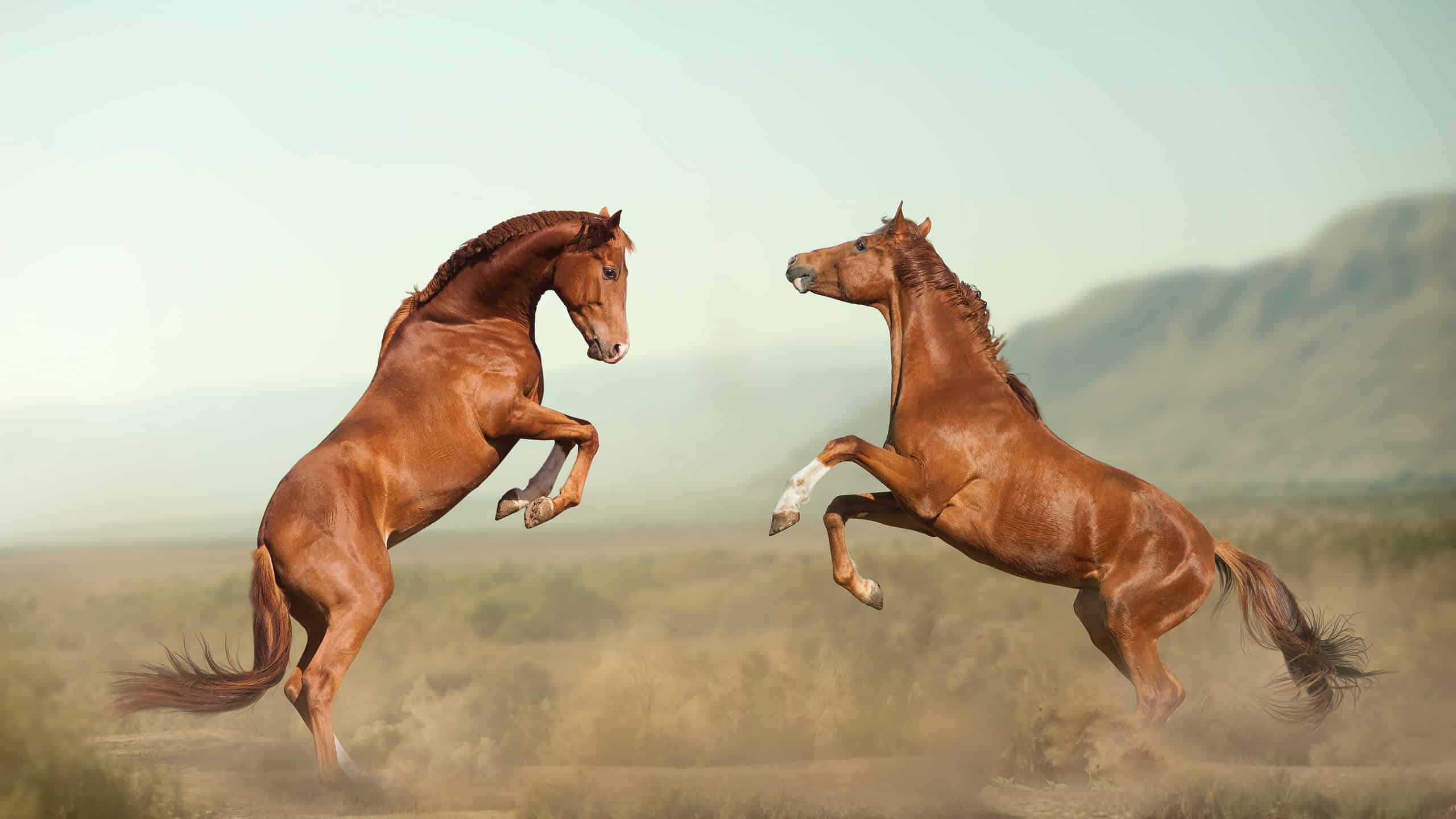
Stallions show more dominant behavior. They often stand tall and alert. Their movements can be more confident and bold. Other horses may act calmer and less aggressive. Stallions can be more protective and territorial. This behavior comes from their natural role in breeding and herd protection.

Credit: www.youtube.com
Temperament Variations
Temperament varies widely between horses and stallions. These differences affect how they behave around people and other animals. Understanding these traits helps in handling and training each type safely.
Stallion Behavior
Stallions are mature male horses that have not been castrated. They often show strong, dominant behavior. This makes them more aggressive or territorial than other horses. Stallions may challenge other horses or humans to show their power. They need experienced handlers who understand their mood swings. Their behavior can change with seasons, often becoming more restless during breeding times.
Other Horse Types
Other horses include mares and geldings. Mares are female horses, usually calmer than stallions but can be protective. Geldings are castrated males and tend to be more gentle and steady. These horses are easier to train and manage. Their temperament makes them better for beginners or casual riders. Each type has unique traits but generally less aggressive than stallions.
Uses And Roles
Horses and stallions have different uses and roles based on their characteristics. Both play important parts in human activities. Understanding these roles helps to see why each is valued in specific tasks.
Work And Riding
Horses are often used for riding and light work. They are calm and easy to handle. This makes them great for beginners and casual riders. Horses can also pull carts or carry loads on farms. They work steadily without much fuss.
Stallions have more energy and strength. They are chosen for sports and competitions. Their power helps in racing or jumping events. Stallions need skilled riders because they can be more aggressive. Their role is often in performance and show.
Breeding Importance
Stallions have a special role in breeding. They pass on strong traits to foals. Breeders select stallions with good health and skills. This improves future generations of horses. A stallion’s genetic value is very high.
Horses that are not stallions do not breed. Their role is mainly working or riding. Breeding depends mostly on stallions and mares. The stallion’s role in breeding shapes horse populations worldwide.
Credit: a-z-animals.com
Care And Management
Caring for horses requires attention and patience. Stallions need extra care because of their strong nature. Proper management helps keep them calm and healthy. Understanding their needs makes handling easier and safer.
Handling Stallions
Stallions have strong instincts and can be aggressive. Always approach them calmly and confidently. Use a firm voice and steady movements. Do not surprise or rush them. Training should start early and be consistent. Regular exercise helps reduce their energy. Avoid keeping stallions near other male horses. Use secure fencing and strong halters. Never leave them unattended in open areas. Safety is the top priority for handlers.
General Horse Care
All horses need clean water and good food. Provide fresh hay and balanced grain daily. Grooming removes dirt and helps check for injuries. Regular hoof care prevents problems and keeps horses comfortable. Schedule vet visits for vaccinations and health checks. Give horses enough space to move freely. Shelter protects them from harsh weather. Watch for signs of illness or stress. Early action keeps horses healthy and happy.

Credit: www.strathornfarm.co.uk
Frequently Asked Questions
What Defines A Horse Compared To A Stallion?
A horse is a general term for the species Equus ferus caballus. A stallion is a male horse that is uncastrated and used for breeding. Thus, all stallions are horses, but not all horses are stallions.
How Does A Stallion Differ In Behavior From Horses?
Stallions tend to be more aggressive and territorial than mares or geldings. This is due to higher testosterone levels influencing their behavior. These traits help them protect and breed within their herd.
Are Stallions Physically Different From Other Horses?
Yes, stallions often have a more muscular build and thicker neck compared to mares or geldings. Their physical traits support their role in dominance and breeding within horse groups.
Can All Horses Become Stallions?
No, only uncastrated male horses are stallions. Female horses are mares, and castrated males are geldings. Stallion status depends on gender and reproductive capability.
Conclusion
A horse is any adult of the species, male or female. A stallion is a male horse that can breed. Stallions often show more strength and energy. Horses serve many roles, like riding, racing, or work. Knowing the difference helps in understanding horse care and behavior.
Each has unique traits to appreciate. This knowledge benefits riders, trainers, and horse lovers. Keep these points in mind to better enjoy and respect horses.