Why is Worming Horses Important, If you care about your horse’s health, understanding why worming is important can make all the difference. Parasites might seem small, but they can cause big problems for your horse’s well-being.
Ignoring worming could lead to discomfort, illness, or even serious complications. You’ll discover how regular worming protects your horse, keeps them feeling their best, and saves you time and money in the long run. Keep reading to learn simple steps you can take to safeguard your horse’s health today.
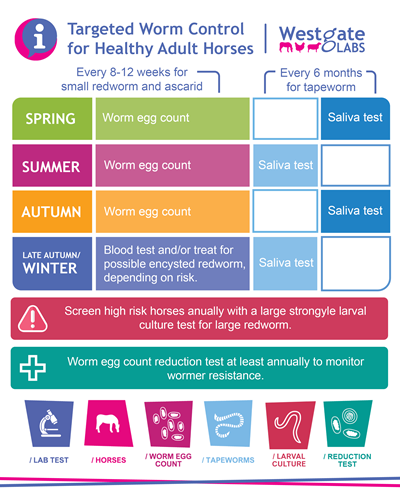
Credit: www.westgatelabs.co.uk
Impact Of Parasites On Horses
Parasites can cause serious problems for horses. They live inside or on the horse’s body and steal nutrients. This weakens the horse and affects its overall health. Parasites can also damage internal organs. They cause discomfort and pain. Understanding their impact helps in keeping horses healthy and strong.
Common Types Of Equine Parasites
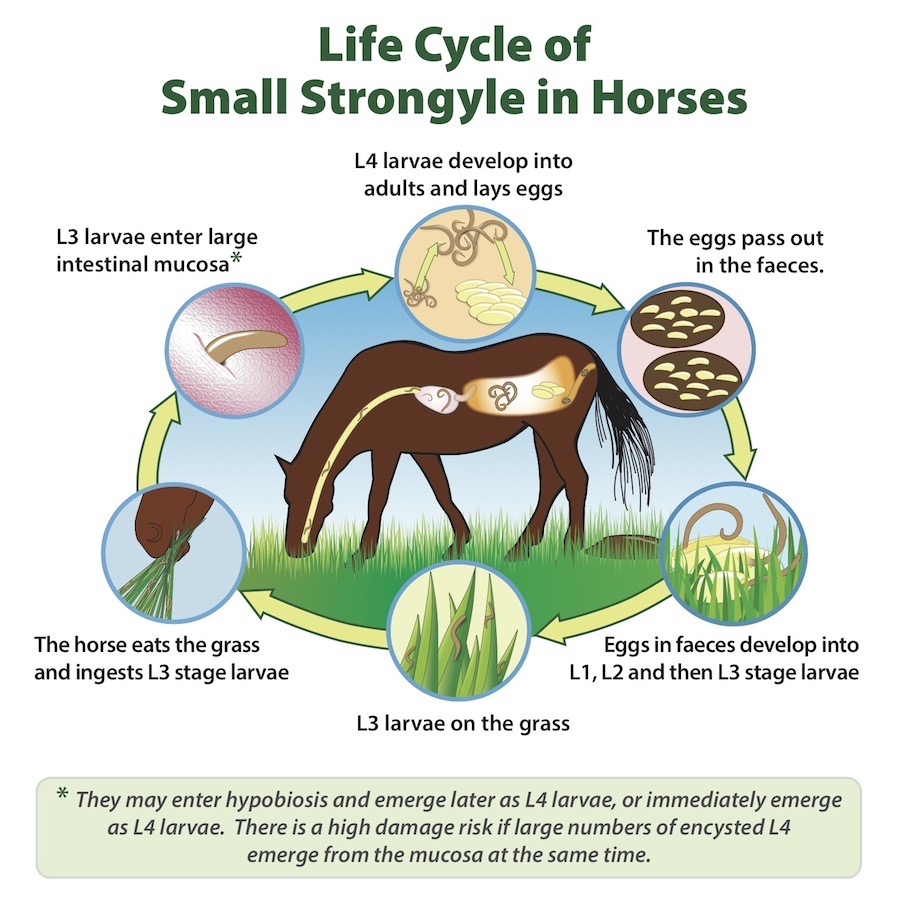
Many types of parasites affect horses. Roundworms, also called strongyles, are common. They live in the horse’s intestines and blood vessels. Tapeworms attach to the horse’s intestines and cause blockages. Bots are larvae that grow in the horse’s stomach. Pinworms irritate the skin around the tail. Each type harms horses in different ways.
Signs Of Parasite Infestation
Parasite infestation shows in many ways. Horses may lose weight suddenly. Their coat becomes dull and rough. Some horses have a pot-bellied look. Diarrhea or poor appetite can occur. Horses might scratch or rub their tails. Lethargy and poor performance also signal problems. Early signs help in quick treatment.
Effects On Health And Performance
Parasites reduce a horse’s energy and strength. They cause colic, diarrhea, and anemia. Parasites damage the gut lining, leading to poor nutrient absorption. This weakens the immune system. A weak horse cannot perform well in work or sports. Untreated infestations can lead to severe illness or death.
Credit: www.grangecoop.com
Benefits Of Regular Worming
Regular worming keeps horses healthy and strong. It stops harmful parasites from growing inside their bodies. Parasites can cause many problems if left untreated. Worming helps horses digest food better and stay active. It also protects other horses from infections. The benefits of regular worming go beyond just preventing illness.
Improved Digestion And Nutrient Absorption
Parasites in the gut steal nutrients from horses. This lowers the energy horses get from their food. Regular worming removes these parasites. Horses then absorb more nutrients. Better digestion leads to stronger muscles and healthier coats. Horses with good digestion have more energy for daily activities.
Prevention Of Disease Spread
Parasites spread quickly among horses in the same area. Worming stops this spread by killing parasites early. It lowers the chance of disease outbreaks. Healthy horses are less likely to infect others. This keeps the whole herd safe and sound.
Enhanced Overall Wellbeing
Parasites can make horses feel weak and tired. Worming improves their comfort and mood. Horses become more lively and willing to work. Regular worming reduces health risks and veterinary costs. It helps horses live longer, happier lives.
Developing A Worming Schedule
Developing a worming schedule is crucial for your horse’s health. Worms can cause serious problems if left untreated. Regular worming helps keep your horse strong and active. A well-planned schedule targets worms at the right times. This reduces the risk of resistance to wormers. It also protects your horse from heavy worm loads. Planning a schedule requires understanding many factors. These include seasons, your horse’s age, and health condition.
Seasonal Considerations
Worm populations change with the seasons. In spring and fall, worm numbers often rise. These are ideal times to treat your horse. Summer months may need less frequent worming. Wet and warm weather helps worms grow fast. Cold winters slow down worm activity. Adjust your worming plan based on weather and pasture conditions. This keeps your horse safe year-round.
Age And Condition Factors
Young horses need more frequent worming than adults. Their immune systems are not fully developed. Older horses may require less frequent treatments. Horses in poor condition might need extra care. Pregnant or nursing mares also need special attention. Each horse’s needs differ. Tailor your worming schedule to match their health and age. This helps avoid over-worming or under-treating.
Consulting A Veterinarian
Your vet is the best source for worming advice. They can recommend the right products and timing. Vets can perform fecal egg counts to check worm levels. This test shows which worms affect your horse. A vet’s guidance helps prevent worm resistance. Regular vet checks ensure your worming plan is effective. Work closely with your vet for best results.
Choosing The Right Dewormer
Choosing the right dewormer is key to keeping your horse healthy. It helps fight parasites that can harm your horse’s digestive system and overall health. Selecting the best medication depends on many factors, including the type of worms and your horse’s specific needs. Understanding the options and how to use them safely leads to better care.
Types Of Deworming Medications
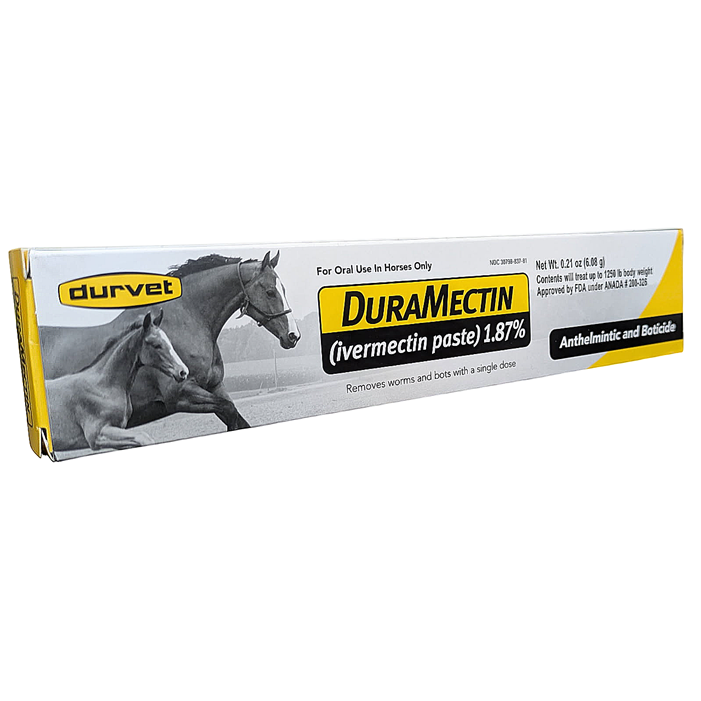
Dewormers come in several types. Some target specific worms like roundworms or tapeworms. Others work against a broad range of parasites. Common forms include pastes, pellets, and liquids. Each type has its strengths and best uses. Knowing these helps pick the right product for your horse.
Resistance And Rotation Strategies
Worms can become resistant to dewormers. This means medicines might stop working over time. Rotating different types of dewormers can slow resistance. Using the same product repeatedly is not safe. A rotation plan helps keep treatments effective and protects your horse’s health.
Safe Administration Practices
Administer dewormers carefully. Measure the dose according to your horse’s weight. Use clean equipment to avoid contamination. Follow instructions on the label strictly. Watch for any side effects after treatment. Safe use ensures your horse gets the full benefit without harm.
Additional Parasite Control Measures
Worming horses is essential, but extra steps help keep parasites away. Parasites can live in the environment, not just inside the horse. Using extra control measures reduces parasite numbers and keeps horses healthier.
Pasture Management Techniques
Rotating pastures stops parasites from building up in one area. Moving horses to fresh fields lowers the risk of infection. Cutting grass short helps remove parasite eggs and larvae. Avoid overcrowding horses to reduce parasite spread. Removing manure regularly keeps pastures cleaner.
Hygiene And Stable Maintenance
Clean stables reduce parasite chances inside the barn. Remove manure daily to stop parasite growth. Use fresh bedding and change it often. Keep water and feed containers clean to avoid contamination. Good stable hygiene supports the horse’s health.
Monitoring And Fecal Testing
Regular fecal tests show parasite levels in horses. Testing helps decide if worming is needed. Monitoring stops overuse of dewormers and reduces resistance. Keep track of test results for each horse. Early detection protects horses from heavy parasite loads.
Credit: www.flettandcarmichael.co.uk
Frequently Asked Questions
Why is Worming Horses Important
Why Is Worming Horses Necessary For Their Health?
Worming horses controls internal parasites that cause weight loss and colic. It improves digestion and boosts immunity, ensuring overall well-being and performance.
How Often Should Horses Be Wormed For Best Results?
Horses typically need worming every 6 to 12 weeks, depending on age, environment, and parasite risk. Regular schedules prevent parasite resistance and maintain horse health.
What Are The Risks Of Not Worming Horses Regularly?
Not worming horses can lead to severe parasite infestations, causing colic, anemia, poor growth, and even death. It also spreads parasites to other animals.
Can Worming Improve A Horse’s Performance And Energy?
Yes, worming removes parasites that drain nutrients, improving digestion and energy. A parasite-free horse performs better and recovers faster after exercise.
Conclusion
Worming horses keeps them healthy and strong. Parasites can cause pain and sickness. Regular treatment stops worms from harming your horse. It helps your horse grow well and stay active. Healthy horses perform better and live longer. Talk to a vet about the best worming plan.
Protect your horse with timely worming care. Small steps make a big difference in horse health. Keep worms away to ensure your horse’s happiness. Worming is simple but very important for every horse.Why is Worming Horses Important.
Caring for a Horse With One Eye: Essential Tips