
What is the Difference between Horses And Donkeys, Have you ever wondered what makes horses and donkeys different? At first glance, they may look quite similar, but there’s more to these animals than meets the eye.
Understanding their key differences can help you appreciate their unique traits, behavior, and even how they can fit into your life or work. If you’ve ever been curious about which one is better for riding, carrying loads, or simply how they communicate, this article is just for you.
Keep reading, and you’ll discover surprising facts that will change the way you see these two amazing creatures.

Credit: thinlineglobal.com
Physical Differences
Horses and donkeys differ in many ways. Their physical traits show clear differences. These traits help each animal adapt to its environment and tasks. Understanding these differences is important for recognizing each animal.
Size And Build
Horses are generally larger than donkeys. They have taller bodies and longer legs. Donkeys have a stocky build and shorter legs. Their bodies are compact and strong. Donkeys carry weight well and are very sturdy.
Ears And Tail
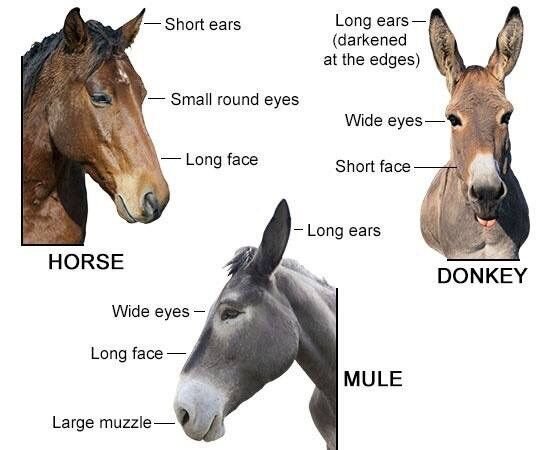
Donkeys have long, thick ears that stand up straight. Their ears help them hear far and stay cool. Horse ears are shorter and more pointed. Donkey tails look like cow tails with a tuft of hair at the end. Horse tails are long and covered with hair all over.
Hooves And Mane
Donkeys have smaller, tougher hooves than horses. Their hooves are narrow and hard, good for rocky ground. Horses have larger, rounder hooves suited for soft soil. Donkeys have short, upright manes that do not flow. Horses have long, flowing manes that can be styled.
Credit: muletrainevents.com
Behavioral Traits
Horses and donkeys are different animals with unique behaviors. Their actions and reactions show their distinct personalities. Understanding their behavioral traits helps in caring for them properly. It also explains why they react differently in similar situations.
Temperament
Horses are often more sensitive and reactive. They can be nervous or jumpy around new things. Donkeys tend to be calm and cautious. They think before they act and avoid danger carefully. Donkeys can be stubborn, but this is often a sign of careful thought.
Communication Styles
Horses communicate with body language and sounds like neighing. They use their ears, eyes, and tail to show feelings. Donkeys use braying, which is louder and longer. Their body signals are more subtle but clear to other donkeys. Both animals listen well to each other and humans.
Social Habits
Horses are very social and enjoy groups. They form strong bonds and follow a leader. Donkeys also like company but are more independent. They often stay close to a few trusted friends. Donkeys can protect others in their group from harm.
Diet And Digestion
Horses and donkeys have different diets and digestion systems. Understanding these differences helps provide better care. Both animals eat plants, but their choices and how they digest food vary. This section explains what they prefer to eat and how their bodies handle food.
Feeding Preferences
Horses like fresh grass, hay, and grains. They enjoy rich, nutrient-packed food. Donkeys prefer dry, coarse plants and shrubs. They can eat tough plants other animals avoid. Donkeys need less food and do well on poor-quality forage. Horses need more energy-rich food to stay healthy and active.
Digestive Systems
Horses have a sensitive digestive system. They digest food quickly and need frequent meals. Donkeys have a slower digestion process. Their gut extracts more nutrients from rough plants. Donkeys store fat in their bodies easily. This helps them survive in harsh environments with little food. Horses are prone to digestive problems if fed poorly. Donkeys are better at using limited food resources.
Habitat And Adaptability
Horses and donkeys live in different places and adapt to their surroundings in unique ways. Understanding their habitats and how they adjust to changes helps explain their behavior and needs.
Preferred Environments
Horses prefer open fields and grasslands. They need wide spaces to run and graze. Donkeys often live in rocky, dry areas. They are common in deserts and mountains. Donkeys can eat tough plants that horses avoid.
Climate Tolerance
Horses do well in moderate climates with regular rain. Too much heat or cold can stress them. Donkeys tolerate heat and dry weather better. Their bodies store water well and keep cool. Donkeys survive longer without food or water.
Reproduction And Lifespan
Reproduction and lifespan are key differences between horses and donkeys. These factors affect how they grow and live. Understanding their breeding patterns and life expectancy helps in caring for them properly.
Breeding Patterns
Horses have a breeding season in spring and summer. Female horses, called mares, are fertile during this time. Gestation lasts about 11 months. Mares usually have one foal at a time.
Donkeys breed throughout the year. Female donkeys, or jennies, have a longer gestation of about 12 months. They also usually give birth to a single foal. Donkeys can reproduce at a slower pace than horses.
Life Expectancy
Horses live around 25 to 30 years on average. Proper care can extend their lifespan. Some horses live into their 40s.
Donkeys tend to live longer than horses. Their average lifespan is 30 to 50 years. Donkeys remain active and healthy for many years.
Uses And Roles
Horses and donkeys have served humans for thousands of years. Both animals play important roles in work and daily life. Their uses differ because of their unique strengths and traits. Understanding these differences helps us appreciate their value in many cultures and jobs.
Work And Transportation
Horses are fast and strong. They pull carriages and carry riders over long distances. They work on farms to plow fields and carry heavy loads. Donkeys are smaller but very tough. They carry loads on rough, narrow paths where horses cannot go. Donkeys are used in hilly or rocky areas to transport goods. Both animals help people move things and travel.
Cultural Significance
Horses often symbolize power and freedom in many cultures. They appear in art, stories, and ceremonies. Donkeys represent patience and hard work. Many traditions honor donkeys for their service and loyalty. In some places, festivals celebrate these animals. Their cultural roles show respect for their different qualities.
Modern Applications
Today, horses are used in sports like racing and riding events. They also serve in therapy programs to help people heal. Donkeys help farmers and villagers in remote areas. They are reliable for carrying supplies where machines cannot reach. Both animals still support humans in modern life, each in their special way.
Hybrid Offspring
Horses and donkeys can mate and produce hybrid offspring. These hybrids show traits from both parents. They often have unique features and uses. People have bred hybrids for centuries to combine the strengths of horses and donkeys.
Mules And Hinnies
Mules are the most common horse-donkey hybrids. They come from a male donkey and a female horse. Hinnies come from a male horse and a female donkey. Both hybrids look different from each other and from their parents. Mules usually have the body of a horse but the ears and tail of a donkey. Hinnies tend to be smaller and have more donkey-like features.
Characteristics Of Hybrids
Hybrids are strong and hardworking. They can carry heavy loads and work for long hours. Mules are famous for their endurance and sure-footedness. Hinnies share many of the same qualities but are less common. Most hybrids cannot have babies because they have an uneven number of chromosomes. This makes them mostly sterile. Their calm nature and strength make hybrids valuable for farming and transport.

Credit: www.youtube.com
Frequently Asked Questions
What is the Difference between Horses And Donkeys
What Are The Main Physical Differences Between Horses And Donkeys?
Horses are generally taller with slender legs, while donkeys have shorter, stockier builds. Donkeys have longer ears and a distinct tail with a tuft of hair. Horses typically have smoother coats, whereas donkeys have rougher, coarser hair.
How Do Horses And Donkeys Differ In Behavior?
Horses are more flighty and social, often seeking herd companionship. Donkeys are cautious, independent, and show strong self-preservation instincts. Donkeys tend to be calmer and more stubborn, making them reliable for different tasks.
Can Horses And Donkeys Interbreed Successfully?
Yes, horses and donkeys can interbreed, producing mules (horse father) or hinnies (donkey father). These hybrids are usually sterile but inherit traits from both parents, combining strength and endurance.
What Are The Differences In Diet Between Horses And Donkeys?
Both eat grass and hay, but donkeys require less food and tolerate poor-quality forage better. Donkeys need a diet lower in protein and sugar to avoid health issues like obesity.
Conclusion
Horses and donkeys have clear differences in size and sound. Donkeys are smaller and make a braying noise. Horses are larger and neigh loudly. Both animals serve humans but in different ways. Donkeys are strong and work well in rough places.
Horses run fast and help in riding and sports. Knowing these facts helps you understand each animal better. They each have unique traits that make them special. Whether for work or companionship, both are valuable animals. What is the Difference between Horses And Donkeys.
How Much Does It Cost to Cremate a Horse: Ultimate Price Guide 2025